MEXICO ETHNIC FOOD MARKET OVERVIEW
The Mexico ethnic food market size is valued at $1384.83 million as of 2025 and is expected to reach $2490.42 million by 2032, progressing with a CAGR of 8.75% during the forecast years, 2025-2032.
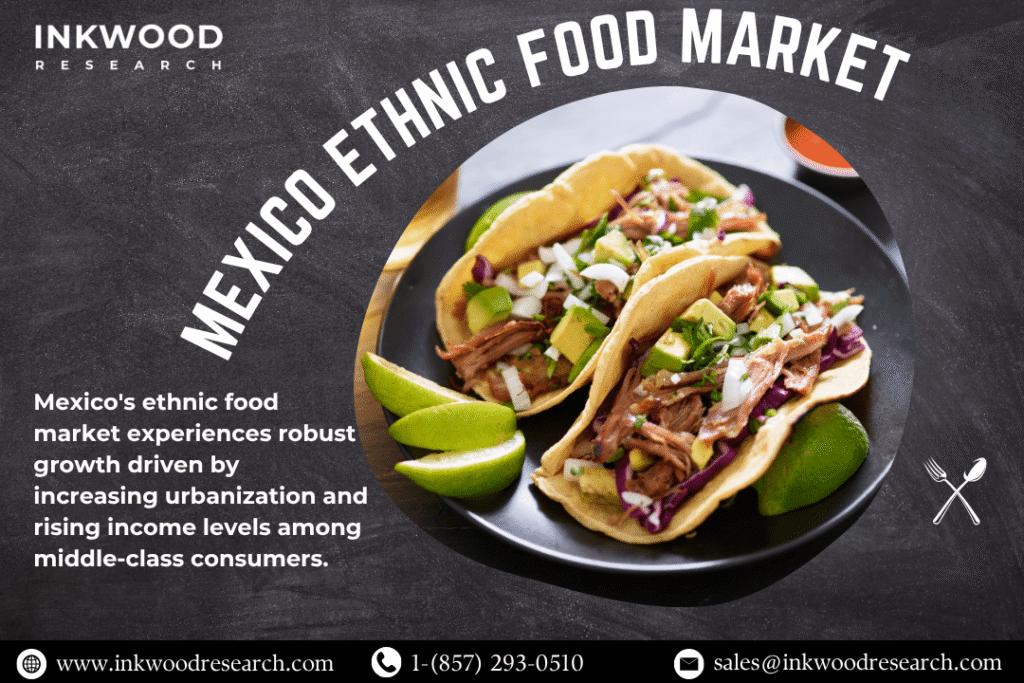
Mexico’s ethnic food market experiences robust growth driven by increasing urbanization and rising income levels among middle-class consumers. The youth population, comprising a significant demographic segment, actively explores international cuisine trends beyond traditional Mexican fare. Asian cuisines, particularly Chinese, Japanese, and Korean offerings, gain substantial traction in urban centers like Mexico City, Guadalajara, and Monterrey.
Moreover, the growing presence of international supermarket chains such as Walmart de México, Soriana, and Chedraui improves product accessibility across metropolitan areas. Ready-to-eat ethnic dishes appeal strongly to busy professionals seeking convenient meal solutions without compromising taste variety. Export opportunities for local ethnic foods enhance market revenues as Mexican manufacturers adapt authentic food recipes for international markets.
To Know More About This Report, Request a Free Sample Copy
Additionally, cultural exchange through media and digital platforms accelerates awareness of exotic flavors analysis from global cuisines. Health-conscious ethnic food options attract wellness-focused consumers prioritizing nutritional value alongside authentic flavors. Mexico’s ethnic food market balances strong traditional street food culture with growing demand for packaged ethnic foods. Urban millennials demonstrate openness to international cuisine trends through restaurant ethnic menus and retail product experimentation.
While Chinese, Japanese, Korean, and Italian cuisines dominate ethnic food consumption in major metropolitan areas, Mexico’s vibrant street food popularity creates significant competition for ready-to-eat ethnic dishes in packaged formats. Street vendors offering tacos, tamales, and other traditional fare provide affordable, authentic alternatives to retail ethnic products. Nevertheless, convenience and food safety concerns increasingly drive urban consumers toward packaged ethnic foods from established brands.
Government regulations under COFEPRIS (Federal Commission for Protection against Sanitary Risks) ensure food safety standards for imported specialty food imports. Labeling requirements mandate clear ingredient disclosure, nutritional information, and country of origin for packaged ethnic foods. These regulations create entry barriers for smaller international brands but build consumer trust in certified products.
Economic fluctuations significantly impact consumer spending on premium gourmet ethnic meals, particularly among price-sensitive middle-class households. Supply chain inefficiencies reduce market penetration in rural areas where infrastructure limitations affect frozen ethnic meals distribution. Cultural dining habits evolve as younger generations prioritize experiential eating and social media-worthy culinary discoveries. Plant-based ethnic meals gain momentum as Mexican consumers embrace flexitarian diets for health and environmental reasons.
Fusion food innovations blending Mexican ingredients with international techniques attract adventurous consumers seeking novel taste experiences. Sustainable ethnic packaging appeals to environmentally conscious urban consumers prioritizing waste reduction. International retailers expand ethnic food sections responding to growing traditional food demand from diverse consumer segments.
The Mexico ethnic food market is segmented into cuisine type, food type, product type, and distribution channel. The distribution channel segment is further categorized into supermarkets/hypermarkets, convenience/grocery stores, specialty stores, online retail, and other distribution channels.
Specialty stores represent a crucial distribution channel for authentic ethnic foods in Mexico’s urban markets. These establishments focus exclusively on international cuisine trends products, offering curated selections of specialty food imports. Asian grocery stores, European delis, and Middle Eastern markets cater to specific ethnic communities and adventurous mainstream consumers. Store owners typically possess deep knowledge of authentic food recipes, providing valuable guidance to customers exploring unfamiliar cuisines.
Consequently, specialty stores build strong customer loyalty through personalized service and product authenticity. Major cities like Mexico City feature concentrated ethnic neighborhoods with multiple specialty stores serving diaspora communities. These retailers stock hard-to-find ingredients essential for traditional food demand among immigrant populations maintaining culinary heritage.
Specialty stores differentiate themselves through extensive assortments of packaged ethnic foods unavailable in mainstream supermarkets. Fresh produce, spices market outlook ingredients, and refrigerated products complement shelf-stable ready-to-eat ethnic dishes. Store layouts facilitate discovery as customers browse sections organized by cuisine type and cultural origin. Moreover, specialty stores often feature in-store prepared foods and hot bars offering gourmet ethnic meals for immediate consumption.
Knowledgeable staff provide cooking demonstrations and recipe suggestions encouraging trial of exotic flavors analysis and premium pricing reflects import costs and specialized curation, targeting affluent consumers willing to pay for authenticity. However, limited geographical presence restricts specialty stores primarily to affluent urban neighborhoods with diverse populations. Festival food consumption drives seasonal traffic as customers purchase traditional ingredients for cultural celebrations.
Additionally, specialty stores serve as cultural hubs where communities gather, strengthening emotional connections beyond transactional relationships. E-commerce integration enables some specialty stores to reach customers beyond their physical locations through online ordering. Nevertheless, sensory shopping experiences and personal interactions remain competitive advantages for brick-and-mortar specialty stores. Consequently, this channel offers significant opportunities for brands emphasizing authenticity, quality, and cultural preservation in ethnic food offerings.
Some of the top players operating in the Mexico ethnic food market include Goya Foods Inc, McCormick & Company Inc, Conagra Brands Inc, Nestlé SA, etc.
Goya Foods Inc specializes in manufacturing and distributing authentic Latin American, Caribbean, and Spanish food products across international markets. Goya’s extensive product portfolio includes beans, rice, seasonings, sauces, beverages, and ready-to-eat ethnic dishes representing diverse Hispanic culinary traditions. Within Mexico’s ethnic food market, Goya produces canned foods, packaged ethnic foods, cooking ingredients, and authentic food recipes adapted for retail distribution.
The company’s bean varieties, including black beans, pinto beans, and refried beans, capture substantial market share across supermarkets and specialty stores.
Goya’s business model emphasizes cultural authenticity, affordability, and accessibility aligned with Hispanic consumer preferences. Strategic partnerships with major Mexican retailers ensure prominent shelf placement for ready-to-eat ethnic dishes in supermarkets and convenience stores. Furthermore, the company invests in sustainable ethnic packaging initiatives using recyclable materials addressing environmental concerns. Goya’s marketing approach celebrates Hispanic heritage and cultural dining habits, resonating strongly with Mexican consumers.
The company actively expands its portfolio of organic ethnic food products responding to growing health-conscious ethnic food demand. Additionally, Goya’s seasoning blends and condiments enable home cooks to recreate authentic food recipes from various Latin American cuisines. Consequently, Goya maintains strong brand recognition and market leadership through cultural relevance, consistent quality, and deep understanding of Hispanic consumer taste shifts in Mexico’s ethnic food sector.
REPORT SYNOPSIS
| REPORT SCOPE | DETAILS |
|---|---|
| Market Forecast Years | 2025-2032 |
| Base Year | 2024 |
| Market Historical Years | 2018-2023 |
| Forecast Units | Revenue ($ Million) |
| Segments Analyzed | Cuisine Type, Food Type, Product Type, and Distribution Channel |
| Country Analyzed | Mexico |
| Companies Analyzed | Ajinomoto Co Inc, Nestlé SA, Conagra Brands Inc, McCormick & Company Inc, Goya Foods Inc |
TABLE OF CONTENTS
RESEARCH SCOPE & METHODOLOGY
- STUDY OBJECTIVES
- METHODOLOGY
- ASSUMPTIONS & LIMITATIONS
EXECUTIVE SUMMARY
- MARKET SIZE & FORECAST
- MARKET OVERVIEW
- SCOPE OF STUDY
- CRISIS SCENARIO ANALYSIS
- MAJOR MARKET FINDINGS
- THE MARKET IS EXPERIENCING STRONG GROWTH DUE TO INCREASING CONSUMER INTEREST IN AUTHENTIC AND DIVERSE CUISINES
- RISING MIGRATION AND CULTURAL EXCHANGE ARE BROADENING THE CONSUMER BASE FOR MULTI-REGIONAL FOOD PRODUCTS
- PRE-PACKAGED AND READY-TO-EAT ETHNIC FOOD SEGMENTS ARE GAINING POPULARITY AMONG URBAN AND MILLENNIAL CONSUMERS
- LEADING BRANDS ARE INVESTING IN CLEAN LABEL INGREDIENTS AND HEALTHIER RECIPE VARIANTS TO APPEAL TO HEALTH-CONSCIOUS BUYERS
MARKET DYNAMICS
- KEY DRIVERS
- INCREASING URBANIZATION AND RISING INCOME LEVELS FUEL PREMIUM FOOD DEMAND
- GROWING PRESENCE OF INTERNATIONAL SUPERMARKET CHAINS IMPROVES PRODUCT ACCESSIBILITY
- YOUTH POPULATION DRIVES INTEREST IN GLOBAL CUISINES AND EXPERIMENTAL FLAVORS
- EXPORT OPPORTUNITIES FOR LOCAL ETHNIC FOODS ENHANCE MARKET REVENUES
- KEY RESTRAINTS
- ECONOMIC FLUCTUATIONS IMPACT CONSUMER SPENDING ON PREMIUM FOOD PRODUCTS
- SUPPLY CHAIN INEFFICIENCIES REDUCE MARKET PENETRATION IN RURAL AREAS
- LACK OF AWARENESS ABOUT AUTHENTICITY AND NUTRITIONAL VALUE LIMITS ADOPTION
- DOMINANCE OF LOCAL STREET FOOD CULTURE CREATES COMPETITION FOR PACKAGED ETHNIC PRODUCTS
- KEY DRIVERS
KEY ANALYTICS
- KEY MARKET TRENDS
- INCREASING ADOPTION OF FUSION CUISINES BLENDING LOCAL AND GLOBAL FLAVORS
- GROWING DEMAND FOR PLANT-BASED AND VEGAN ETHNIC FOOD OPTIONS
- RISING POPULARITY OF ETHNIC STREET FOOD CONCEPTS IN QUICK-SERVICE RESTAURANTS
- INNOVATION IN PACKAGING AND PRESERVATION TO EXTEND SHELF LIFE AND QUALITY
- PORTER’S FIVE FORCES ANALYSIS
- BUYERS POWER
- SUPPLIERS POWER
- SUBSTITUTION
- NEW ENTRANTS
- INDUSTRY RIVALRY
- GROWTH PROSPECT MAPPING
- GROWTH PROSPECT MAPPING FOR MEXICO
- MARKET MATURITY ANALYSIS
- MARKET CONCENTRATION ANALYSIS
- VALUE CHAIN ANALYSIS
- RAW MATERIAL SUPPLIERS
- INGREDIENT PROCESSORS
- FOOD MANUFACTURERS
- PACKAGING COMPANIES
- DISTRIBUTORS AND RETAILERS
- FOOD SERVICE OPERATORS
- END CONSUMER
- KEY BUYING CRITERIA
- TASTE AUTHENTICITY
- HEALTH AND NUTRITION
- PRICE AFFORDABILITY
- BRAND REPUTATION
- REGULATORY FRAMEWORK
- KEY MARKET TRENDS
ETHNIC FOOD MARKET BY CUISINE TYPE
- CHINESE
- MARKET FORECAST FIGURE
- SEGMENT ANALYSIS
- JAPANESE
- MARKET FORECAST FIGURE
- SEGMENT ANALYSIS
- INDIAN
- MARKET FORECAST FIGURE
- SEGMENT ANALYSIS
- THAI
- MARKET FORECAST FIGURE
- SEGMENT ANALYSIS
- KOREAN
- MARKET FORECAST FIGURE
- SEGMENT ANALYSIS
- MEXICAN
- MARKET FORECAST FIGURE
- SEGMENT ANALYSIS
- BRAZILIAN
- MARKET FORECAST FIGURE
- SEGMENT ANALYSIS
- LEBANESE
- MARKET FORECAST FIGURE
- SEGMENT ANALYSIS
- OTHER CUISINE TYPES
- MARKET FORECAST FIGURE
- SEGMENT ANALYSIS
- CHINESE
ETHNIC FOOD MARKET BY FOOD TYPE
- VEGETARIAN/VEGAN ETHNIC FOODS
- MARKET FORECAST FIGURE
- SEGMENT ANALYSIS
- NON-VEGETARIAN ETHNIC FOODS
- MARKET FORECAST FIGURE
- SEGMENT ANALYSIS
- VEGETARIAN/VEGAN ETHNIC FOODS
ETHNIC FOOD MARKET BY PRODUCT TYPE
- READY-TO-EAT MEALS
- MARKET FORECAST FIGURE
- SEGMENT ANALYSIS
- FROZEN FOOD
- MARKET FORECAST FIGURE
- SEGMENT ANALYSIS
- PACKAGED FOOD
- MARKET FORECAST FIGURE
- SEGMENT ANALYSIS
- CANNED FOOD
- MARKET FORECAST FIGURE
- SEGMENT ANALYSIS
- DRIED MEALS
- MARKET FORECAST FIGURE
- SEGMENT ANALYSIS
- OTHER PRODUCT TYPES
- MARKET FORECAST FIGURE
- SEGMENT ANALYSIS
- READY-TO-EAT MEALS
ETHNIC FOOD MARKET BY DISTRIBUTION CHANNEL
- SUPERMARKETS / HYPERMARKETS
- MARKET FORECAST FIGURE
- SEGMENT ANALYSIS
- CONVENIENCE / GROCERY STORES
- MARKET FORECAST FIGURE
- SEGMENT ANALYSIS
- SPECIALTY STORES
- MARKET FORECAST FIGURE
- SEGMENT ANALYSIS
- ONLINE RETAIL
- MARKET FORECAST FIGURE
- SEGMENT ANALYSIS
- OTHER DISTRIBUTION CHANNELS
- MARKET FORECAST FIGURE
- SEGMENT ANALYSIS
- SUPERMARKETS / HYPERMARKETS
COMPETITIVE LANDSCAPE
- KEY STRATEGIC DEVELOPMENTS
- MERGERS & ACQUISITIONS
- PRODUCT LAUNCHES & DEVELOPMENTS
- PARTNERSHIPS & AGREEMENTS
- BUSINESS EXPANSIONS & DIVESTITURES
- COMPANY PROFILES
- AJINOMOTO CO INC
- COMPANY OVERVIEW
- PRODUCTS
- STRENGTHS & CHALLENGES
- CONAGRA BRANDS INC
- COMPANY OVERVIEW
- PRODUCTS
- STRENGTHS & CHALLENGES
- MCCORMICK & COMPANY INC
- COMPANY OVERVIEW
- PRODUCTS
- STRENGTHS & CHALLENGES
- NESTLÉ SA
- COMPANY OVERVIEW
- PRODUCTS
- STRENGTHS & CHALLENGES
- GOYA FOODS INC
- COMPANY OVERVIEW
- PRODUCTS
- STRENGTHS & CHALLENGES
- AJINOMOTO CO INC
- KEY STRATEGIC DEVELOPMENTS
LIST OF TABLES
TABLE 1: MARKET SNAPSHOT – ETHNIC FOOD
TABLE 2: MARKET BY CUISINE TYPE, HISTORICAL YEARS, 2018-2023 (IN $ MILLION)
TABLE 3: MARKET BY CUISINE TYPE, FORECAST YEARS, 2025-2032 (IN $ MILLION)
TABLE 4: MARKET BY FOOD TYPE, HISTORICAL YEARS, 2018-2023 (IN $ MILLION)
TABLE 5: MARKET BY FOOD TYPE, FORECAST YEARS, 2025-2032 (IN $ MILLION)
TABLE 6: MARKET BY PRODUCT TYPE, HISTORICAL YEARS, 2018-2023 (IN $ MILLION)
TABLE 7: MARKET BY PRODUCT TYPE, FORECAST YEARS, 2025-2032 (IN $ MILLION)
TABLE 8: MARKET BY DISTRIBUTION CHANNEL, HISTORICAL YEARS, 2018-2023 (IN $ MILLION)
TABLE 9: MARKET BY DISTRIBUTION CHANNEL, FORECAST YEARS, 2025-2032 (IN $ MILLION)
TABLE 10: KEY PLAYERS OPERATING IN THE MEXICO MARKET
TABLE 11: LIST OF MERGERS & ACQUISITIONS
TABLE 12: LIST OF PRODUCT LAUNCHES & DEVELOPMENTS
TABLE 13: LIST OF PARTNERSHIPS & AGREEMENTS
TABLE 14: LIST OF BUSINESS EXPANSIONS & DIVESTITURES
LIST OF FIGURES
FIGURE 1: KEY MARKET TRENDS
FIGURE 2: PORTER’S FIVE FORCES ANALYSIS
FIGURE 3: GROWTH PROSPECT MAPPING FOR MEXICO
FIGURE 4: MARKET MATURITY ANALYSIS
FIGURE 5: MARKET CONCENTRATION ANALYSIS
FIGURE 6: VALUE CHAIN ANALYSIS
FIGURE 7: KEY BUYING CRITERIA
FIGURE 8: SEGMENT GROWTH POTENTIAL, BY CUISINE TYPE, IN 2024
FIGURE 9: CHINESE MARKET SIZE, 2025–2032 (IN $ MILLION)
FIGURE 10: JAPANESE MARKET SIZE, 2025–2032 (IN $ MILLION)
FIGURE 11: INDIAN MARKET SIZE, 2025–2032 (IN $ MILLION)
FIGURE 12: THAI MARKET SIZE, 2025–2032 (IN $ MILLION)
FIGURE 13: KOREAN MARKET SIZE, 2025–2032 (IN $ MILLION)
FIGURE 14: MEXICAN MARKET SIZE, 2025–2032 (IN $ MILLION)
FIGURE 15: BRAZILIAN MARKET SIZE, 2025–2032 (IN $ MILLION)
FIGURE 16: LEBANESE MARKET SIZE, 2025–2032 (IN $ MILLION)
FIGURE 17: OTHER CUISINE TYPES MARKET SIZE, 2025–2032 (IN $ MILLION)
FIGURE 18: SEGMENT GROWTH POTENTIAL, BY FOOD TYPE, IN 2024
FIGURE 19: VEGETARIAN/VEGAN ETHNIC FOODS MARKET SIZE, 2025–2032 (IN $ MILLION)
FIGURE 20: NON-VEGETARIAN ETHNIC FOODS MARKET SIZE, 2025–2032 (IN $ MILLION)
FIGURE 21: SEGMENT GROWTH POTENTIAL, BY PRODUCT TYPE, IN 2024
FIGURE 22: READY-TO-EAT MEALS MARKET SIZE, 2025–2032 (IN $ MILLION)
FIGURE 23: FROZEN FOOD MARKET SIZE, 2025–2032 (IN $ MILLION)
FIGURE 24: PACKAGED FOOD MARKET SIZE, 2025–2032 (IN $ MILLION)
FIGURE 25: CANNED FOOD MARKET SIZE, 2025–2032 (IN $ MILLION)
FIGURE 26: DRIED MEALS MARKET SIZE, 2025–2032 (IN $ MILLION)
FIGURE 27: OTHER FOOD TYPES MARKET SIZE, 2025–2032 (IN $ MILLION)
FIGURE 28: SEGMENT GROWTH POTENTIAL, BY DISTRIBUTION CHANNEL, IN 2024
FIGURE 29: SUPERMARKETS / HYPERMARKETS MARKET SIZE, 2025–2032 (IN $ MILLION)
FIGURE 30: CONVENIENCE / GROCERY STORES MARKET SIZE, 2025–2032 (IN $ MILLION)
FIGURE 31: SPECIALTY STORES MARKET SIZE, 2025–2032 (IN $ MILLION)
FIGURE 32: ONLINE RETAIL MARKET SIZE, 2025–2032 (IN $ MILLION)
FIGURE 33: OTHER DISTRIBUTION CHANNELS MARKET SIZE, 2025–2032 (IN $ MILLION)
FAQ’s
RELATED REPORTS
-

UNITED STATES AI-DRIVEN CLOUD MIGRATION SERVICES MARKET FORECAST 2026-2034
-

UNITED KINGDOM AI-DRIVEN CLOUD MIGRATION SERVICES MARKET FORECAST 2026-2034
-

UNITED ARAB EMIRATES AI-DRIVEN CLOUD MIGRATION SERVICES MARKET FORECAST 2026-2034
-

SOUTH KOREA AI-DRIVEN CLOUD MIGRATION SERVICES MARKET FORECAST 2026-2034
-

SINGAPORE AI-DRIVEN CLOUD MIGRATION SERVICES MARKET FORECAST 2026-2034
-

SAUDI ARABIA AI-DRIVEN CLOUD MIGRATION SERVICES MARKET FORECAST 2026-2034
-

AUSTRALIA AI-DRIVEN CLOUD MIGRATION SERVICES MARKET FORECAST 2026-2034
-

JAPAN AI-DRIVEN CLOUD MIGRATION SERVICES MARKET FORECAST 2026-2034
-

INDIA AI-DRIVEN CLOUD MIGRATION SERVICES MARKET FORECAST 2026-2034
-

CHINA AI-DRIVEN CLOUD MIGRATION SERVICES MARKET FORECAST 2026-2034