China Acute Care at Home Market by Service Type (Physician Care Services, Skilled Nursing Services, Diagnostic & Monitoring Services, Therapy Services, Medication Administration Services, Other Acute Care Services) Market by Component (Remote Patient Monitoring Devices, Telehealth & Virtual Care Platforms, Clinical Command Center Software, Therapeutic Equipment, Other Components) Market by Disease Indication (Respiratory Diseases, Cardiovascular Diseases, Infectious Diseases, Renal Disorders, Post-Surgical Care, Other Acute Conditions), by Geography
CHINA ACUTE CARE AT HOME MARKET OVERVIEW
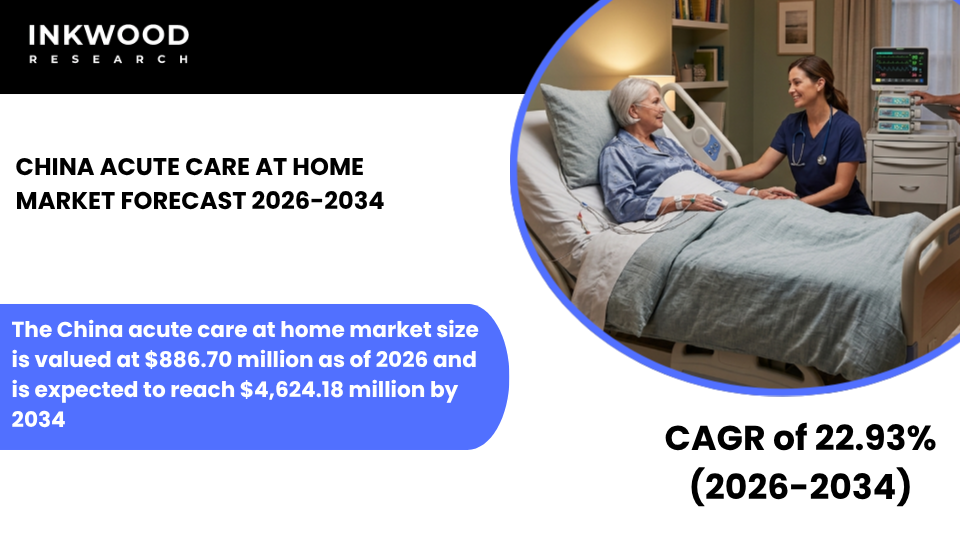
The China acute care at home market size is valued at $886.70 million as of 2026 and is expected to reach $4,624.18 million by 2034, progressing with a CAGR of 22.93% during the forecast years, 2026–2034.
MARKET INSIGHTS
China’s acute care at home market is in an accelerated growth phase, driven by a rapidly aging population and a strategic policy shift toward community and home-based healthcare delivery. By the end of 2024, the population aged 60 and above had reached 310.31 million, representing 22% of China’s total population. This demographic shift, combined with the high burden of chronic and acute diseases in older age groups, is placing severe strain on China’s hospital infrastructure, particularly in major urban centers.
In response, the Chinese central government has made home-based and community care a national priority. The 14th Five-Year Plan (2021-2025) for National Aging Undertakings explicitly called for accelerated adoption of smart elderly care technologies and encouraged multi-sector collaboration to drive home care integration, per the State Council of China.
Furthermore, in 2024, the central government supported the establishment of 358,000 in-home care beds and maintained financial subsidies to expand home care services nationwide. These policy commitments are laying a robust institutional foundation for the China hospital at home market’s long-term trajectory.
The Chinese government has also anchored its broader digital health strategy to the expansion of telemedicine and mobile health services, which are key enablers of home-based acute care delivery. China’s National Health Commission has stated that strengthening primary healthcare systems and promoting mobile health services and telemedicine are central objectives under its 15th Five-Year Plan (2026-2030), per official statements from the National Health Commission (NHC).
China has targeted an average life expectancy of 80 years by 2030, with telemedicine and remote care playing a central role in this vision. Moreover, the January 2024 State Council release of the “Opinions on Developing the Silver Economy” has encouraged multi-stakeholder expansion of home care services, prompting both private sector digital health platforms and traditional healthcare providers to invest in acute home care delivery models.
For vendors and investors, China’s combination of massive scale, strong policy support, and rapidly advancing digital health infrastructure creates one of the most compelling long-term growth opportunities in the global acute home healthcare market. However, despite its strong growth momentum, the China acute care at home market faces meaningful structural barriers.
Reimbursement coverage for home-based acute care services through China’s national medical insurance system remains limited and inconsistent across provinces, constraining adoption beyond self-paying urban populations. Additionally, a significant infrastructure and awareness gap persists between Tier 1 cities and rural regions, where digital connectivity, skilled nursing availability, and patient trust in home-based care remain underdeveloped.
The market is also at an early stage of regulatory standardization, with no unified national framework specifically governing home-based acute care service protocols or safety standards. Nevertheless, the 15th Five-Year Plan period (2026-2030) is expected to address many of these gaps, with policy momentum increasingly favoring integrated home, community, and institutional care models. These factors, in turn, are set to sustain and accelerate the acute care at home market growth in China during the forecast period.
To Know More About This Report, Request a Free Sample Copy
SEGMENTATION ANALYSIS
The China acute care at home market is segmented by service type, component, and disease indication. The service type segment is further categorized into physician care services, skilled nursing services, diagnostic and monitoring services, therapy services (physical, occupational, and respiratory), medication administration services, and other acute care services.
Medication administration services represent an increasingly critical and commercially relevant sub-segment within the China acute care at home market. This sub-segment covers the delivery of intravenous drug infusions, injectable therapies, oral medication management, and parenteral nutrition to patients recovering from acute conditions within their home settings, under the supervision of licensed nursing or pharmacy professionals.
In the Chinese context, this sub-segment is gaining traction as hospitals seek to manage patient discharge pressure more effectively by transitioning stable patients to home-based IV therapy and drug administration protocols. The growth of this sub-segment is supported by China’s expanding home nursing service platforms, several of which operate via mobile application-based booking systems that connect patients with licensed nurses for at-home injections and infusions.
Additionally, the national push to integrate digital health tools into primary care settings is enabling smarter medication adherence monitoring, where AI-powered apps and wearable reminders help caregivers manage complex medication schedules remotely. As China’s healthcare system continues to invest in community-embedded care services and expand nursing-focused home care capacity, medication administration services are well positioned to capture a growing share of the China acute care home services market across urban and peri-urban populations.
COMPETITIVE INSIGHTS
Some of the top players operating in the China acute care at home market include Taiyi Guanjia, Gold Nurse, and 3H Home Nursing, among others.
Taiyi Guanjia is a Beijing-based digital home healthcare platform and one of China’s leading on-demand home nursing and acute care service providers. The company operates a mobile application-based model that connects patients with licensed nurses and physicians for in-home medical services, including IV infusion therapy, wound care, post-surgical management, catheter care, and chronic disease monitoring. Its platform model is particularly well-suited to China’s urban healthcare environment, where hospital overcrowding and rising demand for convenient, tech-enabled home-based care are creating strong commercial tailwinds.
Taiyi Guanjia’s digital-first approach allows it to rapidly scale its service network across major Chinese cities while maintaining quality oversight through its verified clinical professional pool. As China’s regulatory environment for internet-based medical services continues to evolve, Taiyi Guanjia is positioned as a key enabler of the country’s transition toward scalable, patient-centric acute care at home services.
REPORT SYNOPSIS
| REPORT SCOPE | DETAILS |
|---|---|
| Market Forecast Years | 2026-2034 |
| Base Year | 2025 |
| Market Historical Years | 2022-2024 |
| Forecast Units | Revenue ($ Million) |
| Segments Analyzed | Service Type, Component, Disease Indication |
| Country Analyzed | China |
| Companies Analyzed | AHG, Taiyi Guanjia, Health Care Home, Jin Yu Medical, Gold Nurse, FB Nursing Care Service, New Frontier Vitality, 3H Home Nursing |
TABLE OF CONTENTS
RESEARCH SCOPE & METHODOLOGY
- STUDY OBJECTIVES
- METHODOLOGY
- ASSUMPTIONS & LIMITATIONS
EXECUTIVE SUMMARY
- MARKET SIZE, SHARE & ESTIMATES
- MARKET OVERVIEW
- SCOPE OF STUDY
- MAJOR MARKET FINDINGS
- CHINA’S ACUTE CARE AT HOME MARKET IS IN EARLY DEVELOPMENT STAGES WITH GROWING GOVERNMENT INTEREST IN HOME HEALTHCARE
- URBAN HEALTHCARE CONGESTION IS DRIVING DEMAND FOR ALTERNATIVE CARE DELIVERY MODELS
- DIGITAL HEALTH AND TELEMEDICINE PLATFORMS ARE RAPIDLY EXPANDING ACROSS MAJOR CITIES
- PRIVATE HEALTHCARE PROVIDERS ARE PLAYING A KEY ROLE IN INTRODUCING HOME-BASED ACUTE CARE
MARKET DYNAMICS
- KEY DRIVERS
- RISING URBANIZATION AND HOSPITAL OVERCROWDING ARE DRIVING DEMAND FOR HOME-BASED CARE
- GOVERNMENT INITIATIVES TO EXPAND DIGITAL HEALTHCARE ARE SUPPORTING MARKET DEVELOPMENT
- INCREASING AGING POPULATION AND CHRONIC DISEASE BURDEN ARE BOOSTING DEMAND
- TECHNOLOGICAL ADVANCEMENTS IN TELEHEALTH AND REMOTE MONITORING ENABLE SERVICE EXPANSION
- KEY RESTRAINTS
- LACK OF STANDARDIZED REGULATORY FRAMEWORK FOR HOME-BASED ACUTE CARE LIMITS GROWTH
- LOW AWARENESS AND TRUST AMONG PATIENTS REGARDING HOME CARE SERVICES
- DISPARITIES IN HEALTHCARE INFRASTRUCTURE BETWEEN URBAN AND RURAL AREAS
- LIMITED REIMBURSEMENT SUPPORT FOR HOME-BASED CARE SERVICES CONSTRAINS ADOPTION
- KEY DRIVERS
STRATEGIC MARKET ANALYTICS
- GROWTH METRICS
- TAM, SAM & SOM OPPORTUNITY ANALYSIS
- EMERGING MARKET TRENDS & PARADIGM SHIFTS
- RAPID EXPANSION OF TELEMEDICINE PLATFORMS IS DRIVING HOME CARE ADOPTION
- PRIVATE SECTOR INVESTMENT IN DIGITAL HEALTH IS INCREASING
- INTEGRATION OF AI AND BIG DATA IN PATIENT MONITORING IS EMERGING
- FOCUS ON COMMUNITY-BASED HEALTHCARE DELIVERY IS GAINING MOMENTUM
- PORTER’S FIVE FORCES ANALYSIS
- BUYERS POWER
- SUPPLIERS POWER
- SUBSTITUTION
- NEW ENTRANTS
- INDUSTRY RIVALRY
- PESTLE ANALYSIS
- POLITICAL
- ECONOMIC
- SOCIAL LANDSCAPE
- TECHNOLOGY
- LEGAL
- ENVIRONMENTAL
- GROWTH OPPORTUNITY MAPPING & HEATMAP
- GROWTH PROSPECT MAPPING FOR CHINA
- MARKET MATURITY & LIFECYCLE ANALYSIS
- MARKET CONCENTRATION ANALYSIS
- GROWTH METRICS
ACUTE CARE AT HOME VALUE CHAIN & DECISION FRAMEWORK
- VALUE CHAIN ANALYSIS
- MEDICAL DEVICE SUPPLIERS
- TECHNOLOGY PROVIDERS
- HEALTHCARE PROVIDERS
- HOME CARE SERVICES
- PAYERS INSURERS
- PATIENT MONITORING
- KEY BUYING CRITERIA
- CLINICAL EFFECTIVENESS
- COST EFFICIENCY
- TECHNOLOGY INTEGRATION
- PATIENT SAFETY
- PRICING MODELS, REIMBURSEMENT STRUCTURES & CARE DELIVERY OPTIMIZATION STRATEGIES
- REGULATORY & POLICY LANDSCAPE ANALYSIS
- VALUE CHAIN ANALYSIS
ACUTE CARE AT HOME MARKET BY SERVICE TYPE
- PHYSICIAN CARE SERVICES
- MARKET SIZE, FORECAST & SHARE (2022–2034)
- SKILLED NURSING SERVICES
- MARKET SIZE, FORECAST & SHARE (2022–2034)
- DIAGNOSTIC & MONITORING SERVICES
- MARKET SIZE, FORECAST & SHARE (2022–2034)
- THERAPY SERVICES (PHYSICAL / OCCUPATIONAL / RESPIRATORY)
- MARKET SIZE, FORECAST & SHARE (2022–2034)
- MEDICATION ADMINISTRATION SERVICES
- MARKET SIZE, FORECAST & SHARE (2022–2034)
- OTHER ACUTE CARE SERVICES
- MARKET SIZE, FORECAST & SHARE (2022–2034)
- PHYSICIAN CARE SERVICES
ACUTE CARE AT HOME MARKET BY COMPONENT
- REMOTE PATIENT MONITORING DEVICES
- MARKET SIZE, FORECAST & SHARE (2022–2034)
- TELEHEALTH & VIRTUAL CARE PLATFORMS
- MARKET SIZE, FORECAST & SHARE (2022–2034)
- CLINICAL COMMAND CENTER SOFTWARE
- MARKET SIZE, FORECAST & SHARE (2022–2034)
- THERAPEUTIC EQUIPMENT
- MARKET SIZE, FORECAST & SHARE (2022–2034)
- OTHER COMPONENTS
- MARKET SIZE, FORECAST & SHARE (2022–2034)
- REMOTE PATIENT MONITORING DEVICES
ACUTE CARE AT HOME MARKET BY DISEASE INDICATION
- RESPIRATORY DISEASES
- MARKET SIZE, FORECAST & SHARE (2022–2034)
- CARDIOVASCULAR DISEASES
- MARKET SIZE, FORECAST & SHARE (2022–2034)
- INFECTIOUS DISEASES
- MARKET SIZE, FORECAST & SHARE (2022–2034)
- RENAL DISORDERS
- MARKET SIZE, FORECAST & SHARE (2022–2034)
- POST-SURGICAL CARE
- MARKET SIZE, FORECAST & SHARE (2022–2034)
- OTHER ACUTE CONDITIONS
- MARKET SIZE, FORECAST & SHARE (2022–2034)
- RESPIRATORY DISEASES
COMPETITIVE LANDSCAPE
- KEY STRATEGIC DEVELOPMENTS
- MERGERS & ACQUISITIONS
- PRODUCT LAUNCHES & DEVELOPMENTS
- PARTNERSHIPS & AGREEMENTS
- BUSINESS EXPANSIONS & DIVESTITURES
- COMPETITOR POSITIONING & DIFFERENTIATION MAP
- COMPANY PROFILES
- AHG
- COMPANY OVERVIEW
- PRODUCT LIST
- STRENGTHS & CHALLENGES
- TAIYI GUANJIA
- COMPANY OVERVIEW
- PRODUCT LIST
- STRENGTHS & CHALLENGES
- HEALTH CARE HOME
- COMPANY OVERVIEW
- PRODUCT LIST
- STRENGTHS & CHALLENGES
- JIN YU MEDICAL
- COMPANY OVERVIEW
- PRODUCT LIST
- STRENGTHS & CHALLENGES
- GOLD NURSE
- COMPANY OVERVIEW
- PRODUCT LIST
- STRENGTHS & CHALLENGES
- FB NURSING CARE SERVICE
- COMPANY OVERVIEW
- PRODUCT LIST
- STRENGTHS & CHALLENGES
- NEW FRONTIER VITALITY
- COMPANY OVERVIEW
- PRODUCT LIST
- STRENGTHS & CHALLENGES
- 3H HOME NURSING
- COMPANY OVERVIEW
- PRODUCT LIST
- STRENGTHS & CHALLENGES
- AHG
- KEY STRATEGIC DEVELOPMENTS
LIST OF TABLES
TABLE 1: MARKET SNAPSHOT – ACUTE CARE AT HOME MARKET
TABLE 2: PRICING MODELS, REIMBURSEMENT STRUCTURES & CARE DELIVERY OPTIMIZATION STRATEGIES
TABLE 3: REGULATORY & POLICY LANDSCAPE ANALYSIS
TABLE 4: MARKET BY SERVICE TYPE, HISTORICAL YEARS, 2022-2024 (IN $ MILLION)
TABLE 5: MARKET BY SERVICE TYPE, FORECAST YEARS, 2026-2034 (IN $ MILLION)
TABLE 6: MARKET BY COMPONENT, HISTORICAL YEARS, 2022-2024 (IN $ MILLION)
TABLE 7: MARKET BY COMPONENT, FORECAST YEARS, 2026-2034 (IN $ MILLION)
TABLE 8: MARKET BY DISEASE INDICATION, HISTORICAL YEARS, 2022-2024 (IN $ MILLION)
TABLE 9: MARKET BY DISEASE INDICATION, FORECAST YEARS, 2026-2034 (IN $ MILLION)
TABLE 10: KEY PLAYERS OPERATING IN THE CHINESE MARKET
TABLE 11: LIST OF MERGERS & ACQUISITIONS
TABLE 12: LIST OF PRODUCT LAUNCHES & DEVELOPMENTS
TABLE 13: LIST OF PARTNERSHIPS & AGREEMENTS
TABLE 14: LIST OF BUSINESS EXPANSIONS & DIVESTITURES
LIST OF FIGURES
FIGURE 1: MAJOR MARKET FINDINGS
FIGURE 2: MARKET DYNAMICS
FIGURE 3: KEY MARKET TRENDS
FIGURE 4: PORTER’S FIVE FORCES ANALYSIS
FIGURE 5: GROWTH PROSPECT MAPPING FOR CHINA
FIGURE 6: MARKET MATURITY ANALYSIS
FIGURE 7: MARKET CONCENTRATION ANALYSIS
FIGURE 8: VALUE CHAIN ANALYSIS
FIGURE 9: KEY BUYING CRITERIA
FIGURE 10: SEGMENT GROWTH POTENTIAL, BY SERVICE TYPE, IN 2025
FIGURE 11: PHYSICIAN CARE SERVICES MARKET SIZE, 2026-2034 (IN $ MILLION)
FIGURE 12: SKILLED NURSING SERVICES MARKET SIZE, 2026-2034 (IN $ MILLION)
FIGURE 13: DIAGNOSTIC & MONITORING SERVICES MARKET SIZE, 2026-2034 (IN $ MILLION)
FIGURE 14: THERAPY SERVICES (PHYSICAL / OCCUPATIONAL / RESPIRATORY) MARKET SIZE, 2026-2034 (IN $ MILLION)
FIGURE 15: MEDICATION ADMINISTRATION SERVICES MARKET SIZE, 2026-2034 (IN $ MILLION)
FIGURE 16: OTHER ACUTE CARE SERVICES MARKET SIZE, 2026-2034 (IN $ MILLION)
FIGURE 17: SEGMENT GROWTH POTENTIAL, BY COMPONENT, IN 2025
FIGURE 18: REMOTE PATIENT MONITORING DEVICES MARKET SIZE, 2026-2034 (IN $ MILLION)
FIGURE 19: TELEHEALTH & VIRTUAL CARE PLATFORMS MARKET SIZE, 2026-2034 (IN $ MILLION)
FIGURE 20: CLINICAL COMMAND CENTER SOFTWARE MARKET SIZE, 2026-2034 (IN $ MILLION)
FIGURE 21: THERAPEUTIC EQUIPMENT MARKET SIZE, 2026-2034 (IN $ MILLION)
FIGURE 22: OTHER COMPONENTS MARKET SIZE, 2026-2034 (IN $ MILLION)
FIGURE 23: SEGMENT GROWTH POTENTIAL, BY DISEASE INDICATION, IN 2025
FIGURE 24: RESPIRATORY DISEASES MARKET SIZE, 2026-2034 (IN $ MILLION)
FIGURE 25: CARDIOVASCULAR DISEASES MARKET SIZE, 2026-2034 (IN $ MILLION)
FIGURE 26: INFECTIOUS DISEASES MARKET SIZE, 2026-2034 (IN $ MILLION)
FIGURE 27: RENAL DISORDERS MARKET SIZE, 2026-2034 (IN $ MILLION)
FIGURE 28: POST-SURGICAL CARE MARKET SIZE, 2026-2034 (IN $ MILLION)
FIGURE 29: OTHER ACUTE CONDITIONS MARKET SIZE, 2026-2034 (IN $ MILLION)
FAQ’s
RELATED REPORTS
-
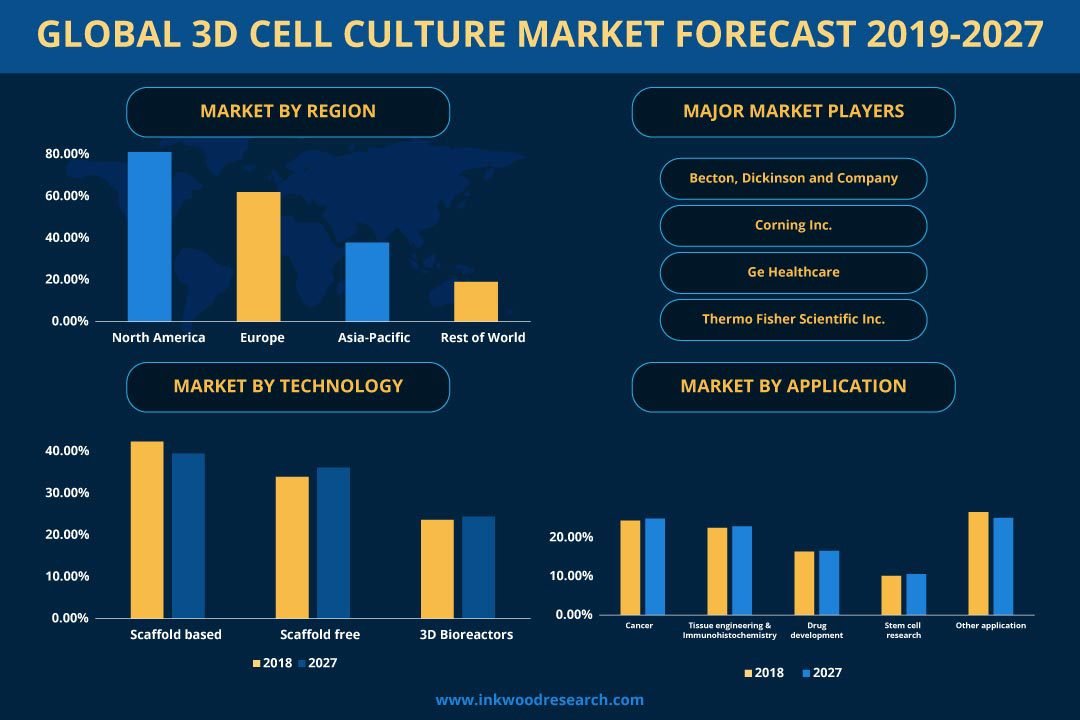
GLOBAL 3D CELL CULTURE MARKET FORECAST 2026
-
NORTH AMERICA 3D CELL CULTURE MARKET FORECAST 2026
-
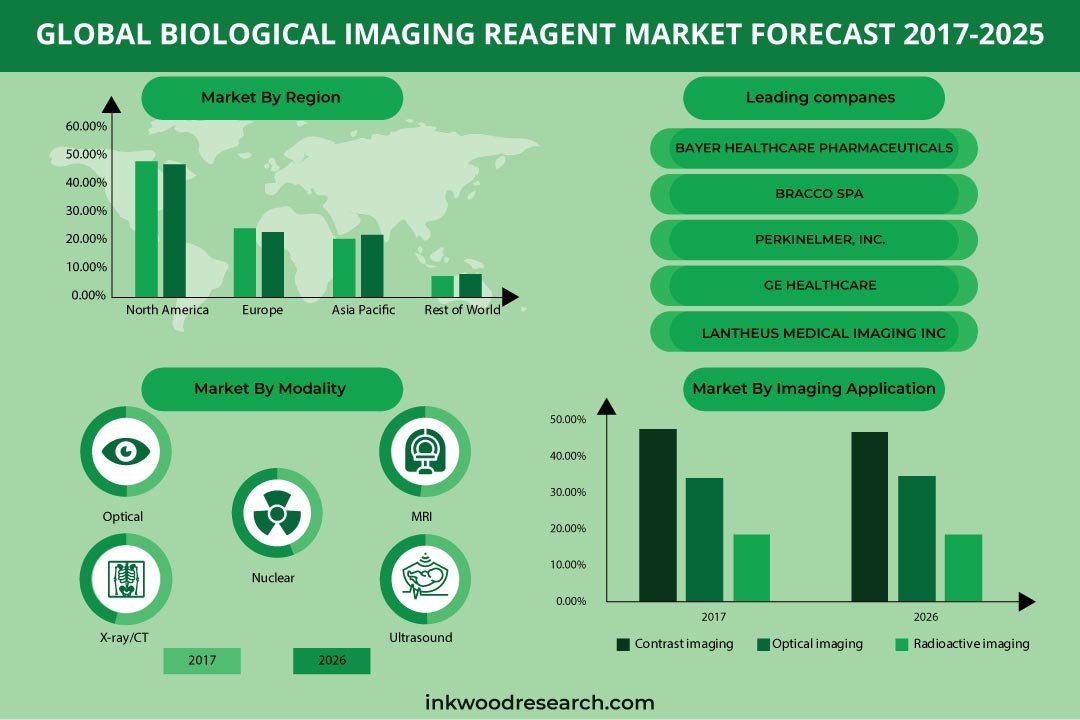
GLOBAL BIOLOGICAL IMAGING REAGENT MARKET FORECAST 2026
-

UNITED STATES AI-DRIVEN CLOUD MIGRATION SERVICES MARKET FORECAST 2026-2034
-

UNITED KINGDOM AI-DRIVEN CLOUD MIGRATION SERVICES MARKET FORECAST 2026-2034
-

UNITED ARAB EMIRATES AI-DRIVEN CLOUD MIGRATION SERVICES MARKET FORECAST 2026-2034
-

SOUTH KOREA AI-DRIVEN CLOUD MIGRATION SERVICES MARKET FORECAST 2026-2034
-

SINGAPORE AI-DRIVEN CLOUD MIGRATION SERVICES MARKET FORECAST 2026-2034
-

SAUDI ARABIA AI-DRIVEN CLOUD MIGRATION SERVICES MARKET FORECAST 2026-2034
-

AUSTRALIA AI-DRIVEN CLOUD MIGRATION SERVICES MARKET FORECAST 2026-2034