Asia-Pacific Cardiovascular Ultrasound Market by Device Display(Color Display Systems, Black & White (B/W) Display Systems) Market by Technology (2D Ultrasound, 3D & 4D Ultrasound, Doppler Imaging) Market by Application (Diagnostic Applications, Therapeutic Applications) Market by Type (Transthoracic Echocardiogram, Transesophageal Echocardiogram, Stress Echocardiogram, Fetal Echocardiography, Other Types) Market by End-User (Hospitals, Diagnostic Centers, Ambulatory Care Centers, Other End-Users), by Geography
ASIA-PACIFIC CARDIOVASCULAR ULTRASOUND MARKET OVERVIEW
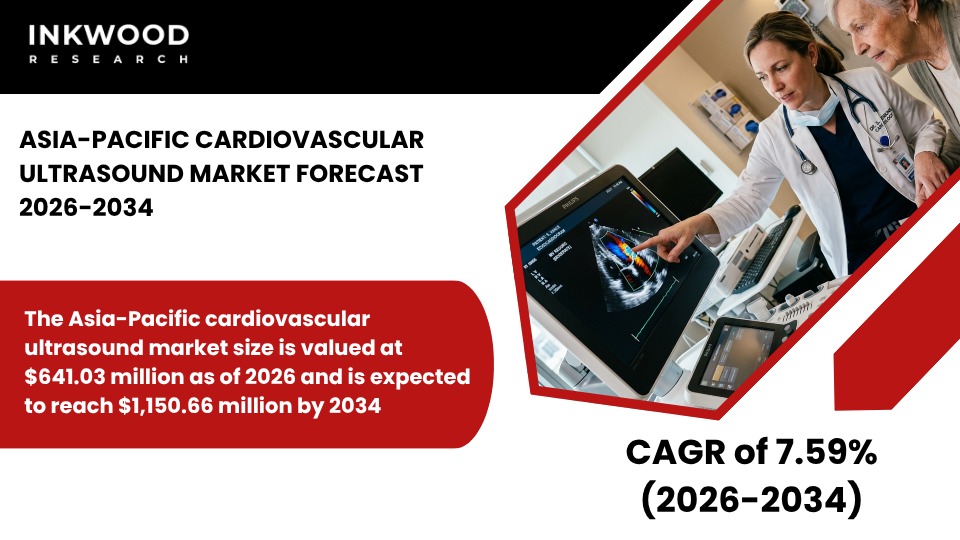
The Asia-Pacific cardiovascular ultrasound market size is valued at $641.03 million as of 2026 and is expected to reach $1,150.66 million by 2034, progressing with a CAGR of 7.59% during the forecast years, 2026–2034.
Asia-Pacific is the fastest-growing regional market for cardiovascular ultrasound globally, propelled by a massive and rapidly worsening burden of cardiovascular diseases, expanding healthcare infrastructure investment, government-led chronic disease initiatives, and rising adoption of advanced cardiac imaging technologies across both high-income and emerging economies.
According to research published in The Lancet Regional Health – Western Pacific, based on Global Burden of Disease data, Asia already contributes around 60% of the 18.6 million CVD deaths recorded globally. This is a staggering figure that underscores why cardiovascular imaging demand across the region is structurally different from any other geography.
The same study forecasts that Crude cardiovascular (CV) mortality in Asia is projected to increase by 91.2%, from roughly 12.6 million in 2025 to 24.1 million by 2050, with East Asia, South Asia, and Southeast Asia expected to see the steepest increases. This trajectory of worsening disease burden creates an enduring and expanding demand base for cardiovascular ultrasound systems, transthoracic echocardiogram procedures, echocardiogram transesophageal techniques, and point-of-care cardiac imaging across hospitals, ambulatory care centers, and diagnostic centers throughout the region.
Beyond disease prevalence, Asia-Pacific’s growth advantage is reinforced by a set of structural market enablers that distinguish it from more mature regions. Rapid urbanization, growing middle-class populations, expanding health insurance coverage in key markets, and strong government prioritization of non-communicable disease prevention are collectively broadening the addressable patient base for cardiovascular diagnostics.
To Know More About This Report, Request a Free Sample Copy
The adoption of AI-enhanced echocardiography, 3D and 4D ultrasound platforms, and handheld cardiac imaging devices is accelerating fastest in this region, as healthcare systems at all levels, from tertiary hospitals in Tokyo and Shanghai to community clinics in Vietnam and Indonesia, recognize the value of non-invasive cardiac screening as a frontline tool for early detection and preventive care. These intersecting forces make Asia-Pacific a compelling and high-priority growth market for vendors, investors, and healthcare strategists operating in the cardiovascular imaging market across the forecast period.
The Asia-Pacific cardiovascular ultrasound market growth assessment includes the analysis of China, Japan, India, South Korea, Indonesia, Vietnam, Thailand, Australia & New Zealand, and Rest of Asia-Pacific.
China is by far the largest individual market within Asia-Pacific for cardiovascular ultrasound, and its scale of cardiovascular disease burden is among the most significant in the world. According to the 2024 Annual Report on Cardiovascular Health and Diseases in China, published by the National Center for Cardiovascular Diseases, the crude incidence of cardiovascular and cerebrovascular diseases among Chinese residents aged 18 years and above reached 620.33 per 100,000 population, with stroke alone accounting for 491.0 per 100,000.
The China Health Statistics Yearbook (2022), issued by the National Health Commission, confirms that cardiovascular disease remained the leading cause of death in China in 2021 in both urban and rural populations, accounting for 47.35% and 48.98% of all deaths, respectively, meaning nearly one in every two deaths in China is attributable to cardiovascular causes. Against this backdrop, China’s government has embedded cardiac health as a core pillar of the Healthy China 2030 initiative.
This explicitly targets cardiovascular disease prevention and early detection as national priorities, with expanded access to diagnostic imaging, including cardiac ultrasound systems, forming a key component of primary healthcare strengthening. China’s volume-based procurement framework for medical devices, combined with strong domestic manufacturing capability and growing demand from tier-2 and tier-3 cities, is further reshaping the competitive landscape of the cardiovascular ultrasound market in ways that favor both internationally established vendors and domestic innovators competing on cost and coverage breadth.
Japan represents a distinctly different but equally important segment of the Asia-Pacific cardiovascular ultrasound market, characterized by a highly advanced healthcare system, a deeply aging population, and a sophisticated clinical appetite for premium cardiovascular imaging technologies. According to the Ministry of Health, Labour and Welfare (MHLW) Vital Statistics 2024 and related abridged life tables, heart diseases (excluding hypertensive heart diseases) rank as the second leading cause of mortality probability in Japan for males, following malignant neoplasms, a pattern consistent across age groups.
Research published in the Journal of Cardiology based on MHLW vital statistics data further confirms that heart disease is the second most common cause of mortality in Japan, and that the impact of heart failure on overall cardiac morbidity has been growing steadily in line with rapid population aging. Japan’s Ministry of Health established the National Plan for Promotion of Measures Against Cerebrovascular and Cardiovascular Disease, which mandates systematic CVD prevention and monitoring strategies at the prefectural level.
This creates a policy-driven framework that sustains demand for echocardiographic diagnostics across both acute care and preventive medicine settings. Japan is also among the most active adopters of next-generation cardiovascular imaging technologies in Asia, given its strong cardiologist workforce density, high levels of clinical research output, and national health insurance system that provides broad reimbursement for cardiac ultrasound procedures. For vendors, Japan offers premium-tier pricing opportunities and strong potential for AI-assisted cardiovascular ultrasound adoption in an environment that values technological precision and workflow efficiency.
The Asia-Pacific cardiovascular ultrasound market is segmented by device display, technology, application, type, and end-user. The type segment is further categorized into transthoracic echocardiogram (TTE), transesophageal echocardiogram (TEE), stress echocardiogram, and intracardiac echocardiogram (ICE).
The transthoracic echocardiogram sub-segment holds the dominant share within the type segment of the Asia-Pacific cardiovascular ultrasound market, and its commanding position is rooted in both clinical and structural factors unique to the region. As the primary non-invasive modality for cardiac assessment, the transthoracic echocardiogram requires no sedation, no specialized interventional infrastructure, and no patient hospitalization.
This makes it the most practical and widely deployable cardiovascular imaging tool across Asia-Pacific’s highly heterogeneous healthcare landscape, which ranges from world-class tertiary cardiac centers in Japan and South Korea to district hospitals and community health posts in Indonesia, Vietnam, and India. In high-volume markets like China, where the National Health Commission has actively invested in expanding community-based cardiovascular screening, the transthoracic echocardiogram is the cornerstone diagnostic procedure used to screen, monitor, and manage the country’s enormous population of patients with coronary heart disease, hypertension, heart failure, and stroke risk.
In Japan, MHLW vital statistics data underscores the growing burden of heart failure, reinforcing routine TTE as an indispensable tool for both diagnosis and serial monitoring of cardiac function over time. Across emerging markets in Southeast Asia, where access to more invasive imaging modalities remains limited by cost and specialist availability, the transthoracic echocardiogram represents the most accessible entry point into structured cardiovascular diagnostics, and is therefore the primary focus of healthcare infrastructure investment and equipment procurement.
The continued integration of AI-assisted auto-measurement features, automated view recognition, and workflow optimization tools into TTE platforms further strengthens TTE’s dominance in the Asia-Pacific cardiovascular ultrasound market, as health systems across the region seek to maximize diagnostic throughput in the face of growing cardiac caseloads and constrained clinical workforce capacity.
Some of the top players operating in the Asia-Pacific cardiovascular ultrasound market include Shenzhen Mindray Bio-Medical Electronics Co., Ltd., GE HealthCare, Philips, Siemens Healthineers AG, etc.
Shenzhen Mindray Bio-Medical Electronics Co Ltd is a Shenzhen, China-headquartered medical technology company and the most strategically significant Asia-Pacific-origin player in the cardiovascular ultrasound market. Mindray operates across patient monitoring, in-vitro diagnostics, and medical imaging, with cardiovascular ultrasound forming a core pillar of its imaging business.
Its cardiac ultrasound portfolio spans high-end console-based systems to portable units, with a strong emphasis on AI integration across its platforms. The company further launched its Qi Yuan Large Language Model family in late 2024, expanded across critical care, perioperative care, and diagnostics settings, reinforcing Mindray’s ambition to become a comprehensive intelligent clinical platform, not merely an equipment vendor, within the rapidly evolving Asia-Pacific cardiovascular imaging market.
REPORT SYNOPSIS
| REPORT SCOPE | DETAILS |
|---|---|
| Market Forecast Years | 2026-2034 |
| Base Year | 2025 |
| Market Historical Years | 2022-2024 |
| Forecast Units | Revenue ($ Million) |
| Segments Analyzed | Device Display, Technology, Type, End-User |
| Countries Analyzed | China, India, Japan, Australia & New Zealand, South Korea, Thailand, Indonesia, Vietnam, and Rest of Asia-Pacific |
| Companies Analyzed | Analogic Corporation, Canon Medical Systems Corporation, CHISON Medical Technologies Co Ltd, Esaote SpA, FUJIFILM Holdings Corporation (FUJIFILM SonoSite Inc), GE Healthcare, Hitachi Medical Corporation, Konica Minolta Inc, Koninklijke Philips NV, Mindray Medical International Limited, Samsung Medison Co Ltd, Siemens Healthineers AG, Trivitron Healthcare, Whale Imaging Inc, Zonare Medical Systems (part of Mindray) |
TABLE OF CONTENTS
RESEARCH SCOPE & METHODOLOGY
- STUDY OBJECTIVES
- METHODOLOGY
- ASSUMPTIONS & LIMITATIONS
EXECUTIVE SUMMARY
- MARKET SIZE & FORECAST
- MARKET OVERVIEW
- SCOPE OF STUDY
- CRISIS SCENARIO ANALYSIS
- MAJOR MARKET FINDINGS
- THE CARDIOVASCULAR ULTRASOUND MARKET IS EXPANDING STEADILY DUE TO THE RISING BURDEN OF CARDIOVASCULAR DISEASES AND THE INCREASING NEED FOR EARLY AND NON-INVASIVE DIAGNOSTICS
- HOSPITALS ACCOUNT FOR THE LARGEST SHARE OF REVENUE, DRIVEN BY HIGH PROCEDURE VOLUMES AND CONTINUOUS UPGRADES TO ADVANCED ECHOCARDIOGRAPHY SYSTEMS
- PORTABLE AND HANDHELD CARDIAC ULTRASOUND DEVICES ARE GAINING TRACTION ACROSS EMERGENCY AND POINT OF CARE SETTINGS DUE TO THEIR MOBILITY AND COST EFFECTIVENESS
- DEVELOPED MARKETS DOMINATE REVENUE SHARE, WHILE EMERGING ECONOMIES ARE WITNESSING FASTER GROWTH DUE TO EXPANDING HEALTHCARE INFRASTRUCTURE AND SCREENING PROGRAMS
MARKET DYNAMICS
- KEY DRIVERS
- THE INCREASING PREVALENCE OF HYPERTENSION, CORONARY ARTERY DISEASE, AND HEART FAILURE IS DRIVING DEMAND FOR ROUTINE CARDIAC IMAGING
- TECHNOLOGICAL ADVANCEMENTS SUCH AS 3D AND 4D ECHOCARDIOGRAPHY ARE ENHANCING DIAGNOSTIC ACCURACY AND CLINICAL ADOPTION
- GROWING GERIATRIC POPULATIONS WORLDWIDE ARE CONTRIBUTING TO HIGHER INCIDENCE OF CARDIAC DISORDERS AND FOLLOW-UP IMAGING NEEDS
- RISING AWARENESS OF PREVENTIVE HEALTHCARE AND EARLY DISEASE DETECTION IS SUPPORTING EXPANDED USE OF CARDIOVASCULAR ULTRASOUND
- KEY RESTRAINTS
- HIGH CAPITAL COSTS OF ADVANCED ULTRASOUND SYSTEMS LIMIT ADOPTION IN SMALL CLINICS AND RESOURCE-CONSTRAINED SETTINGS
- SHORTAGE OF SKILLED SONOGRAPHERS AND CARDIOLOGISTS IMPACTS OPTIMAL UTILIZATION OF SOPHISTICATED IMAGING EQUIPMENT
- REIMBURSEMENT LIMITATIONS IN CERTAIN REGIONS REDUCE INCENTIVES FOR FREQUENT CARDIAC IMAGING PROCEDURES
- COMPETITION FROM ALTERNATIVE IMAGING MODALITIES SUCH AS CT AND MRI MAY RESTRAIN MARKET EXPANSION IN COMPLEX CASES
- KEY DRIVERS
KEY ANALYTICS
- KEY MARKET TRENDS
- INTEGRATION OF ARTIFICIAL INTELLIGENCE FOR AUTOMATED IMAGE INTERPRETATION IS IMPROVING WORKFLOW EFFICIENCY AND REDUCING DIAGNOSTIC VARIABILITY
- GROWING ADOPTION OF POINT OF CARE ULTRASOUND IN EMERGENCY AND INTENSIVE CARE UNITS IS TRANSFORMING CARDIAC ASSESSMENT PRACTICES
- INCREASING DEMAND FOR COMPACT AND WIRELESS DEVICES IS ENABLING COMMUNITY LEVEL AND HOME-BASED CARDIAC MONITORING
- STRATEGIC COLLABORATIONS BETWEEN DEVICE MANUFACTURERS AND HEALTHCARE PROVIDERS ARE ACCELERATING TECHNOLOGY DEPLOYMENT AND TRAINING INITIATIVES
- PORTER’S FIVE FORCES ANALYSIS
- BUYERS POWER
- SUPPLIERS POWER
- SUBSTITUTION
- NEW ENTRANTS
- INDUSTRY RIVALRY
- GROWTH PROSPECT MAPPING
- GROWTH PROSPECT MAPPING FOR ASIA-PACIFIC
- MARKET MATURITY ANALYSIS
- MARKET CONCENTRATION ANALYSIS
- VALUE CHAIN ANALYSIS
- RAW MATERIAL SUPPLIERS
- COMPONENT MANUFACTURERS
- SYSTEM INTEGRATORS
- DEVICE MANUFACTURERS
- DISTRIBUTION CHANNELS
- HEALTHCARE PROVIDERS
- AFTER SALES SERVICES
- KEY BUYING CRITERIA
- IMAGE RESOLUTION
- PORTABILITY FEATURES
- TOTAL COST OWNERSHIP
- SERVICE SUPPORT AVAILABILITY
- REGULATORY FRAMEWORK
- KEY MARKET TRENDS
CARDIOVASCULAR ULTRASOUND MARKET BY DEVICE DISPLAY
- COLOR DISPLAY SYSTEMS
- MARKET FORECAST FIGURE
- SEGMENT ANALYSIS
- BLACK & WHITE (B/W) DISPLAY SYSTEMS
- MARKET FORECAST FIGURE
- SEGMENT ANALYSIS
- COLOR DISPLAY SYSTEMS
CARDIOVASCULAR ULTRASOUND MARKET BY TECHNOLOGY
- 2D ULTRASOUND
- MARKET FORECAST FIGURE
- SEGMENT ANALYSIS
- 3D & 4D ULTRASOUND
- MARKET FORECAST FIGURE
- SEGMENT ANALYSIS
- DOPPLER IMAGING
- MARKET FORECAST FIGURE
- SEGMENT ANALYSIS
- 2D ULTRASOUND
CARDIOVASCULAR ULTRASOUND MARKET BY APPLICATION
- DIAGNOSTIC APPLICATIONS
- MARKET FORECAST FIGURE
- SEGMENT ANALYSIS
- THERAPEUTIC APPLICATIONS
- MARKET FORECAST FIGURE
- SEGMENT ANALYSIS
- DIAGNOSTIC APPLICATIONS
CARDIOVASCULAR ULTRASOUND MARKET BY TYPE
- TRANSTHORACIC ECHOCARDIOGRAM
- MARKET FORECAST FIGURE
- SEGMENT ANALYSIS
- TRANSESOPHAGEAL ECHOCARDIOGRAM
- MARKET FORECAST FIGURE
- SEGMENT ANALYSIS
- STRESS ECHOCARDIOGRAM
- MARKET FORECAST FIGURE
- SEGMENT ANALYSIS
- FETAL ECHOCARDIOGRAPHY
- MARKET FORECAST FIGURE
- SEGMENT ANALYSIS
- OTHER TYPES
- MARKET FORECAST FIGURE
- SEGMENT ANALYSIS
- TRANSTHORACIC ECHOCARDIOGRAM
CARDIOVASCULAR ULTRASOUND MARKET BY END-USER
- HOSPITALS
- MARKET FORECAST FIGURE
- SEGMENT ANALYSIS
- DIAGNOSTIC CENTERS
- MARKET FORECAST FIGURE
- SEGMENT ANALYSIS
- AMBULATORY CARE CENTERS
- MARKET FORECAST FIGURE
- SEGMENT ANALYSIS
- OTHER END-USERS
- MARKET FORECAST FIGURE
- SEGMENT ANALYSIS
- HOSPITALS
GEOGRAPHICAL ANALYSIS
- ASIA-PACIFIC
- MARKET SIZE & ESTIMATES
- ASIA-PACIFIC MARKET DRIVERS
- ASIA-PACIFIC MARKET CHALLENGES
- KEY PLAYERS IN ASIA-PACIFIC CARDIOVASCULAR ULTRASOUND MARKET
- COUNTRY ANALYSIS
- CHINA
- CHINA MARKET SIZE & OPPORTUNITIES
- INDIA
- INDIA MARKET SIZE & OPPORTUNITIES
- JAPAN
- JAPAN MARKET SIZE & OPPORTUNITIES
- AUSTRALIA & NEW ZEALAND
- AUSTRALIA & NEW ZEALAND MARKET SIZE & OPPORTUNITIES
- SOUTH KOREA
- SOUTH KOREA MARKET SIZE & OPPORTUNITIES
- THAILAND
- THAILAND MARKET SIZE & OPPORTUNITIES
- INDONESIA
- INDONESIA MARKET SIZE & OPPORTUNITIES
- VIETNAM
- VIETNAM MARKET SIZE & OPPORTUNITIES
- REST OF ASIA-PACIFIC
- REST OF ASIA-PACIFIC MARKET SIZE & OPPORTUNITIES
- CHINA
- ASIA-PACIFIC
COMPETITIVE LANDSCAPE
- KEY STRATEGIC DEVELOPMENTS
- MERGERS & ACQUISITIONS
- PRODUCT LAUNCHES & DEVELOPMENTS
- PARTNERSHIPS & AGREEMENTS
- BUSINESS EXPANSIONS & DIVESTITURES
- COMPANY PROFILES
- ANALOGIC CORPORATION
- COMPANY OVERVIEW
- PRODUCTS / SERVICES LIST
- STRENGTHS & CHALLENGES
- CANON MEDICAL SYSTEMS CORPORATION
- COMPANY OVERVIEW
- PRODUCTS / SERVICES LIST
- STRENGTHS & CHALLENGES
- CHISON MEDICAL TECHNOLOGIES CO LTD
- COMPANY OVERVIEW
- PRODUCTS / SERVICES LIST
- STRENGTHS & CHALLENGES
- ESAOTE SPA
- COMPANY OVERVIEW
- PRODUCTS / SERVICES LIST
- STRENGTHS & CHALLENGES
- FUJIFILM HOLDINGS CORPORATION (FUJIFILM SONOSITE INC)
- COMPANY OVERVIEW
- PRODUCTS / SERVICES LIST
- STRENGTHS & CHALLENGES
- GE HEALTHCARE
- COMPANY OVERVIEW
- PRODUCTS / SERVICES LIST
- STRENGTHS & CHALLENGES
- HITACHI MEDICAL CORPORATION
- COMPANY OVERVIEW
- PRODUCTS / SERVICES LIST
- STRENGTHS & CHALLENGES
- KONICA MINOLTA INC
- COMPANY OVERVIEW
- PRODUCTS / SERVICES LIST
- STRENGTHS & CHALLENGES
- KONINKLIJKE PHILIPS NV
- COMPANY OVERVIEW
- PRODUCTS / SERVICES LIST
- STRENGTHS & CHALLENGES
- MINDRAY MEDICAL INTERNATIONAL LIMITED
- COMPANY OVERVIEW
- PRODUCTS / SERVICES LIST
- STRENGTHS & CHALLENGES
- SAMSUNG MEDISON CO LTD
- COMPANY OVERVIEW
- PRODUCTS / SERVICES LIST
- STRENGTHS & CHALLENGES
- SIEMENS HEALTHINEERS AG
- COMPANY OVERVIEW
- PRODUCTS / SERVICES LIST
- STRENGTHS & CHALLENGES
- TRIVITRON HEALTHCARE
- COMPANY OVERVIEW
- PRODUCTS / SERVICES LIST
- STRENGTHS & CHALLENGES
- WHALE IMAGING INC
- COMPANY OVERVIEW
- PRODUCTS / SERVICES LIST
- STRENGTHS & CHALLENGES
- ZONARE MEDICAL SYSTEMS (PART OF MINDRAY)
- COMPANY OVERVIEW
- PRODUCTS / SERVICES LIST
- STRENGTHS & CHALLENGES
- ANALOGIC CORPORATION
- KEY STRATEGIC DEVELOPMENTS
LIST OF TABLES
TABLE 1: MARKET SNAPSHOT – CARDIOVASCULAR ULTRASOUND
TABLE 2: CARDIOVASCULAR ULTRASOUND MARKET REGULATORY FRAMEWORK
TABLE 3: MARKET BY DEVICE DISPLAY, BY REGION, HISTORICAL YEARS, 2022-2024 (IN $ MILLION)
TABLE 4: MARKET BY DEVICE DISPLAY, BY REGION, FORECAST YEARS, 2026-2034 (IN $ MILLION)
TABLE 5: MARKET BY TECHNOLOGY, BY REGION, HISTORICAL YEARS, 2022-2024 (IN $ MILLION)
TABLE 6: MARKET BY TECHNOLOGY, BY REGION, FORECAST YEARS, 2026-2034 (IN $ MILLION)
TABLE 7: MARKET BY TYPE, BY REGION, HISTORICAL YEARS, 2022-2024 (IN $ MILLION)
TABLE 8: MARKET BY TYPE, BY REGION, FORECAST YEARS, 2026-2034 (IN $ MILLION)
TABLE 9: MARKET BY END-USER, BY REGION, HISTORICAL YEARS, 2022-2024 (IN $ MILLION)
TABLE 10: MARKET BY END-USER, BY REGION, FORECAST YEARS, 2026-2034 (IN $ MILLION)
TABLE 11: ASIA-PACIFIC MARKET, COUNTRY ANALYSIS, HISTORICAL YEARS, 2022-2024 (IN $ MILLION)
TABLE 22: ASIA-PACIFIC MARKET, COUNTRY ANALYSIS, FORECAST YEARS, 2026-2034 (IN $ MILLION)
TABLE 13: KEY PLAYERS OPERATING IN THE ASIA-PACIFIC MARKET
TABLE 14: LIST OF MERGERS & ACQUISITIONS
TABLE 15: LIST OF PRODUCT LAUNCHES & DEVELOPMENTS
TABLE 16: LIST OF PARTNERSHIPS & AGREEMENTS
TABLE 17: LIST OF BUSINESS EXPANSIONS & DIVESTITURES
LIST OF FIGURES
FIGURE 1: MAJOR MARKET FINDINGS
FIGURE 2: MARKET DYNAMICS
FIGURE 3: KEY MARKET TRENDS
FIGURE 4: PORTER’S FIVE FORCES ANALYSIS
FIGURE 5: GROWTH PROSPECT MAPPING FOR ASIA-PACIFIC
FIGURE 6: MARKET MATURITY ANALYSIS
FIGURE 7: MARKET CONCENTRATION ANALYSIS
FIGURE 8: VALUE CHAIN ANALYSIS
FIGURE 9: KEY BUYING CRITERIA
FIGURE 10: SEGMENT GROWTH POTENTIAL, BY DEVICE DISPLAY, IN 2025
FIGURE 11: COLOR DISPLAY SYSTEMS MARKET SIZE, 2026-2034 (IN $ MILLION)
FIGURE 12: BLACK & WHITE (B/W) DISPLAY SYSTEMS MARKET SIZE, 2026-2034 (IN $ MILLION)
FIGURE 13: SEGMENT GROWTH POTENTIAL, BY TECHNOLOGY, IN 2025
FIGURE 14: 2D ULTRASOUND MARKET SIZE, 2026-2034 (IN $ MILLION)
FIGURE 15: 3D & 4D ULTRASOUND MARKET SIZE, 2026-2034 (IN $ MILLION)
FIGURE 16: DOPPLER IMAGING MARKET SIZE, 2026-2034 (IN $ MILLION)
FIGURE 17: SEGMENT GROWTH POTENTIAL, BY TYPE, IN 2025
FIGURE 18: TRANSTHORACIC ECHOCARDIOGRAM MARKET SIZE, 2026-2034 (IN $ MILLION)
FIGURE 19: TRANSESOPHAGEAL ECHOCARDIOGRAM MARKET SIZE, 2026-2034 (IN $ MILLION)
FIGURE 20: STRESS ECHOCARDIOGRAM MARKET SIZE, 2026-2034 (IN $ MILLION)
FIGURE 21: FETAL ECHOCARDIOGRAPHY MARKET SIZE, 2026-2034 (IN $ MILLION)
FIGURE 22: OTHER TYPES MARKET SIZE, 2026-2034 (IN $ MILLION)
FIGURE 23: SEGMENT GROWTH POTENTIAL, BY END-USER, IN 2025
FIGURE 24: HOSPITALS MARKET SIZE, 2026-2034 (IN $ MILLION)
FIGURE 25: DIAGNOSTIC CENTERS MARKET SIZE, 2026-2034 (IN $ MILLION)
FIGURE 26: AMBULATORY CARE CENTERS MARKET SIZE, 2026-2034 (IN $ MILLION)
FIGURE 27: OTHER END-USERS MARKET SIZE, 2026-2034 (IN $ MILLION)
FIGURE 28: ASIA-PACIFIC CARDIOVASCULAR ULTRASOUND MARKET, COUNTRY OUTLOOK, 2025 & 2034 (IN %)
FIGURE 29: CHINA MARKET SIZE, 2026-2034 (IN $ MILLION)
FIGURE 30: INDIA MARKET SIZE, 2026-2034 (IN $ MILLION)
FIGURE 31: JAPAN MARKET SIZE, 2026-2034 (IN $ MILLION)
FIGURE 32: AUSTRALIA & NEW ZEALAND MARKET SIZE, 2026-2034 (IN $ MILLION)
FIGURE 33: SOUTH KOREA MARKET SIZE, 2026-2034 (IN $ MILLION)
FIGURE 34: THAILAND MARKET SIZE, 2026-2034 (IN $ MILLION)
FIGURE 35: INDONESIA MARKET SIZE, 2026-2034 (IN $ MILLION)
FIGURE 36: VIETNAM MARKET SIZE, 2026-2034 (IN $ MILLION)
FIGURE 37: REST OF ASIA-PACIFIC MARKET SIZE, 2026-2034 (IN $ MILLION)
FAQ’s
RELATED REPORTS
-
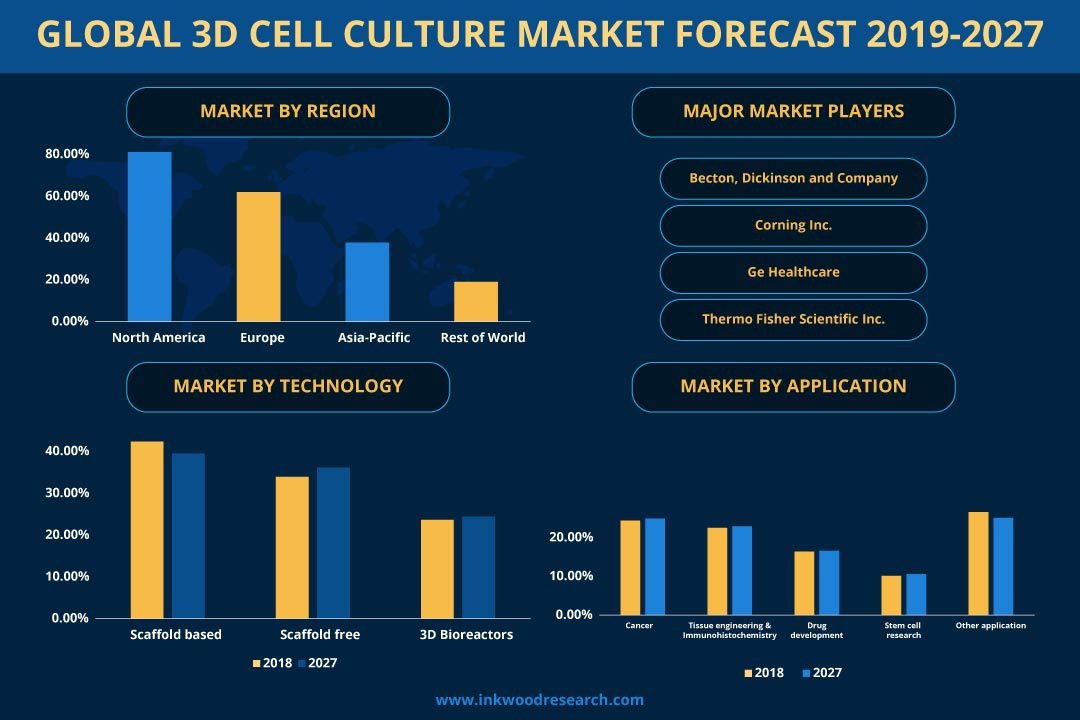
GLOBAL 3D CELL CULTURE MARKET FORECAST 2026
-
NORTH AMERICA 3D CELL CULTURE MARKET FORECAST 2026
-
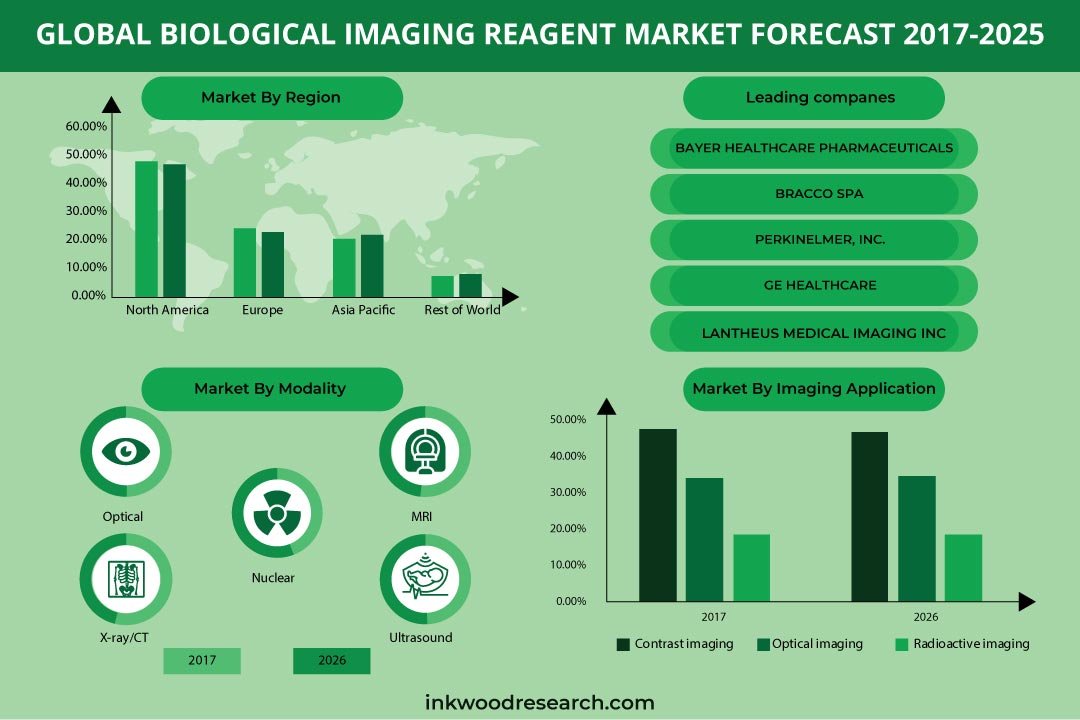
GLOBAL BIOLOGICAL IMAGING REAGENT MARKET FORECAST 2026
-
EUROPE SOLAR ENCAPSULATION MARKET FORECAST 2026-2034
-

NORTH AMERICA SOLAR ENCAPSULATION MARKET FORECAST 2026-2034
-
SPAIN ADVANCED DELIVERY NUTRACEUTICALS MARKET FORECAST 2026-2034
-
MEXICO ADVANCED DELIVERY NUTRACEUTICALS MARKET FORECAST 2026-2034
-

ITALY ADVANCED DELIVERY NUTRACEUTICALS MARKET FORECAST 2026-2034
-
AUSTRALIA ADVANCED DELIVERY NUTRACEUTICALS MARKET FORECAST 2026-2034
-
BRAZIL ADVANCED DELIVERY NUTRACEUTICALS MARKET FORECAST 2026-2034