Table of Contents
TLDR
The global ethnic food market reaches a critical inflection point as migration and millennial consumers reshape culinary landscapes. International cuisine trends accelerate across the Mexico ethnic food market, the United States ethnic food market, the Swedish ethnic food market, and the United Arab Emirates ethnic food market. Traditional food demand, fusion food innovations, plant-based ethnic meals, and ready-to-eat ethnic dishes drive unprecedented packaged ethnic foods growth.
Food manufacturers, retail executives, restaurant operators, import-export businesses, and investment analysts seeking actionable intelligence on ethnic food consumption patterns will find strategic value here. Product developers targeting multicultural demographics, supply chain managers handling specialty food imports, and marketing professionals planning cultural campaigns gain critical insights. Business strategists evaluating global food trade opportunities benefit from comprehensive regional analysis.
Cultural Crossroads: The Migration-Food Nexus Reshaping Markets
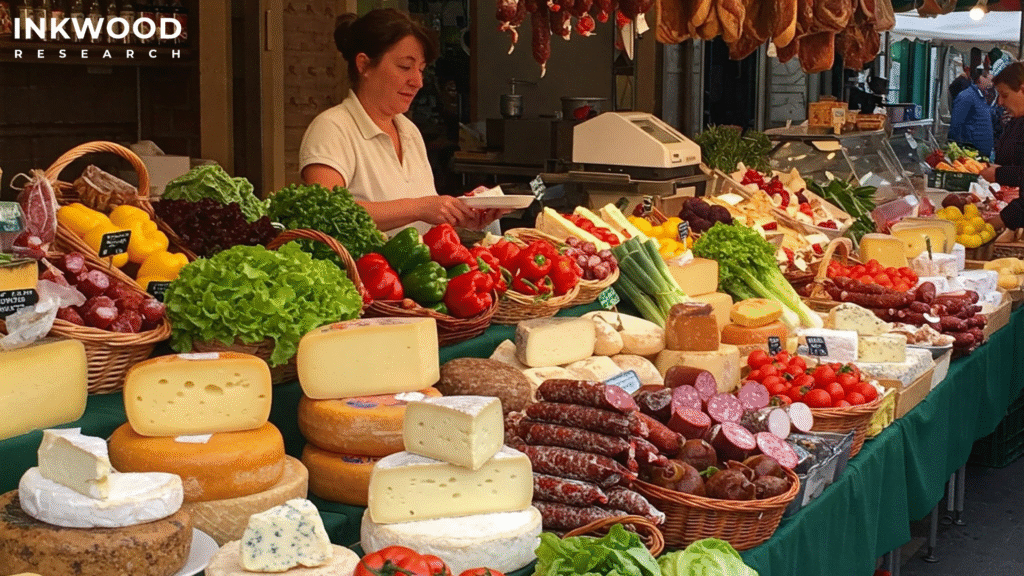
Picture a bustling Stockholm supermarket where Swedish shoppers browse Thai curry pastes alongside traditional meatballs. Simultaneously, Dubai residents queue for authentic Filipino frozen meals. This scenario captures today’s ethnic food market reality. Migration patterns fundamentally reshape global culinary landscapes, creating unprecedented traditional food demand for authentic international cuisine trends.
The United States ethnic food market, Mexico ethnic food market, Sweden ethnic food market, and United Arab Emirates ethnic food market demonstrate explosive growth. Meanwhile, packaged ethnic foods, ready-to-eat ethnic dishes, fusion food innovations, and specialty food imports accelerate across regional markets as consumers embrace exotic flavors analysis.
According to the USDA Economic Research Service, immigrants arriving in countries bring established food consumption habits from their originating regions. These deep-rooted cultural dining habits create sustained traditional food demand. Moreover, host populations gradually embrace exotic flavor analysis through regular exposure and social interaction.
Migration’s Multiplier Effect on Specialty Food Imports
Global food trade statistics reveal fascinating dynamics. International migrants worldwide reached 304 million in 2024, representing a 10.5% increase since 2020. This mounting relocation drives multicultural populations across borders. Consequently, specialty food imports expand rapidly to serve diverse communities, maintaining culinary heritage.
Based on our analysis of regional markets, the Mexico ethnic food market demonstrates robust growth trajectories. Asian cuisines gain substantial traction in urban centers like Mexico City, Guadalajara, and Monterrey. Chinese, Japanese, and Korean offerings dominate among youth populations actively exploring international cuisine trends. Similarly, the United States ethnic food market benefits from increasing ethnic diversity, driving authentic global cuisines.
Cultural Exchange Through Digital Platforms
Technology accelerates cultural exchange beyond physical migration. Social media platforms amplify awareness of gourmet ethnic meals and authentic food recipes. Food bloggers and YouTube channels dedicated to international cuisines inspire home chefs globally. Millennials especially shun monotonous diets, preferring diverse flavors over repetitive menus.
According to our research, young consumers consider ethnic foods trendy. They regularly flaunt experimental tastes across social platforms. This behavior drives demand for Mexican, Indian, Thai, and Italian cuisines. Furthermore, culinary tourism and global media influence consumer curiosity for world cuisines beyond traditional fare.
Millennial Palates: How Younger Generations Transform Traditional Food Demand
Millennials and Gen Z consumers demonstrate fundamentally different food preferences than previous generations. Known for adventurous palates and openness to novel experiences, these demographics significantly propel authentic ethnic food consumption. Indeed, younger generations prioritize experiential eating and globally inspired culinary adventures.
Health-Conscious Ethnic Food Preferences
Health consciousness shapes millennial purchasing decisions profoundly. Plant-based ethnic meals are gaining remarkable momentum as vegetarian and flexitarian diets become mainstream. Additionally, organic ethnic food ingredients and reduced-sodium formulations appeal to wellness-focused consumers. According to our findings, health-conscious ethnic food options align with wellness priorities.
The Sweden ethnic food market exemplifies this trend perfectly. Swedish consumers demonstrate strong preferences for organic ethnic food and sustainably sourced ingredients. These preferences reflect national environmental values. Meanwhile, plant-based ethnic meals succeed as Sweden leads Europe in vegetarian adoption rates.
Convenience Meets Authenticity
Busy millennials demand convenience without compromising authenticity. Ready-to-eat ethnic dishes appeal strongly to professionals seeking quick meal solutions. Frozen ethnic meals provide pantry-stocking options enabling swift preparation. Therefore, packaged ethnic foods balance convenience with authentic taste profiles effectively.
Recent industry data reveals compelling trends. Conagra Brands’ Future of Frozen Food 2025 report highlights 375% growth in Asian-inspired frozen appetizers like dumplings and wontons over four years. This explosive growth demonstrates millennial enthusiasm for convenient ethnic options. Subsequently, manufacturers invest heavily in air-fryer-compatible products meeting consumer demands.
Festival Food Consumption Patterns
Seasonal celebration drives significant consumption peaks. Festival food consumption influences purchasing behaviors as diverse communities celebrate cultural traditions. Households purchase traditional ingredients for cultural celebrations during Diwali, Ramadan, Lunar New Year, and similar occasions. Consequently, retailers stock expanded ethnic food selections seasonally.
Moreover, restaurant ethnic menus showcase authentic dishes during cultural festivals. Quick-service restaurants incorporate ethnic street food concepts in urban centers. This integration normalizes exotic flavors for mainstream consumers. Accordingly, casual dining establishments experiment with fusion food innovations blending local and global tastes.
Regional Market Dynamics: From Mexico to UAE
Different regions demonstrate unique ethnic food market characteristics based on demographic composition and cultural influences. Understanding these regional nuances proves essential for strategic market positioning.
United States: Multicultural Melting Pot
The United States’ ethnic food market exemplifies mature diversity. Millennials and Gen Z actively explore international cuisine trends beyond mainstream American fare. Rising consumer interest in healthy, clean-label ethnic options aligns with wellness-focused behaviors. Strong investment in food innovation enhances market competitiveness among established players.
E-commerce penetration enables niche ethnic brands to reach geographically dispersed communities efficiently. Furthermore, fusion food innovations blending American and international flavors attract adventurous consumers. Cultural dining habits evolve as younger Americans prioritize experiential eating globally.
Mexico: Asian Cuisines Gain Urban Traction
Mexico’s market experiences robust growth driven by increasing urbanization and rising middle-class incomes. Youth populations comprising significant demographic segments actively explore cuisines beyond traditional Mexican fare. Asian offerings, particularly Chinese, Japanese, and Korean, gain substantial traction.
Government regulations under COFEPRIS ensure food safety standards for specialty food imports. Labeling requirements mandate clear ingredient disclosure, building consumer trust. Meanwhile, international retailers like Walmart de México, Soriana, and Chedraui improve product accessibility across metropolitan areas.
Sweden: Sustainability Meets Diversity
Sweden’s growing immigrant population significantly increases authentic ethnic foods demand. Rising health and sustainability awareness boosts preference for organic products. Strong retail infrastructure and online food delivery platforms expand market reach nationwide.
Government regulations under the Swedish Food Agency ensure stringent safety standards. EU regulations mandate detailed ingredient disclosure and origin certification. These requirements create entry barriers but simultaneously build consumer trust in certified products.
United Arab Emirates: Expatriate-Driven Demand
The United Arab Emirates ethnic food market thrives on unparalleled cultural diversity. Over 200 nationalities create sustained demand for multinational food products. Indian, Filipino, Pakistani, Egyptian, and Western expatriate communities maintain strong culinary traditions.
High disposable income encourages spending on premium gourmet ethnic meals. Government regulations under the Emirates Authority for Standardization and Metrology ensure stringent quality standards. All packaged ethnic foods must comply with comprehensive halal certification requirements. This halal food expansion mandates rigorous ingredient sourcing transparency.
Product Innovation and Exotic Flavors Analysis
Product innovation accelerates across the ethnic food sector. Manufacturers respond to evolving consumer preferences through technological advancement and creative development.
Advanced Processing Technologies
Technology revolutionizes ethnic foods production, especially meeting millennial demands for authenticity and convenience. High-pressure processing and freeze-drying innovations preserve flavor while extending shelf life. Smart packaging with QR codes offers cultural context and preparation guidance.
Automation and robotics enhance the production of traditionally handmade items. Manufacturers scale premium ethnic food product launches efficiently. AI and machine learning power recipe development tailored to local tastes. These technologies enable traceability through blockchain and IoT systems.
Clean Label and Organic Movements
Consumer demand for organic and clean-label ethnic food products accelerates rapidly. Growing health awareness drives ingredient transparency requirements. Millennials and Gen Z seek products without artificial additives while delivering authentic taste.
Brands reformulate traditional ethnic recipes using organic ingredients and simplified labels. Products like organic Indian curry sauces, preservative-free Korean kimchi, and gluten-free Mexican tortillas gain traction. The clean-label trend particularly influences ready-to-eat ethnic meals and spice blends.
Regional Flavor Innovations
Recent product launches demonstrate industry creativity. In January 2025, McCormick unveiled Aji Amarillo as the 2025 Flavor of the Year. The company launched new seasoning products promoting this Peruvian pepper. Industry analysts predict 59% menu growth over four years.
Similarly, in October 2024, Nestlé announced a strategic expansion into global cuisine markets. The company enhanced Mexican and Asian food brand offerings. This commitment reflects recognition of ethnic food growth opportunities. Additionally, in May 2025, Nestlé acquired Spice Route Kitchens, strengthening its premium convenience ethnic segment position.
Kosher Food Opportunities and Halal Expansion
Religious dietary requirements create specialized market segments. Halal food expansion accelerates in metropolitan areas accommodating Muslim populations. Kosher food opportunities emerge in regions with significant Jewish communities. Both segments require rigorous certification processes ensuring compliance.
Manufacturers invest in dedicated production facilities meeting religious standards. Transparent ingredient sourcing and production audits build consumer confidence. These specialized segments command premium pricing reflecting certification costs.
Distribution Channel Evolution and Street Food Popularity

Distribution strategies evolve rapidly as consumer shopping behaviors change. Multiple channels compete for ethnic food market share.
Supermarkets and Hypermarkets Dominance
Traditional retail maintains a significant market share through established infrastructure. Supermarkets and hypermarkets commanded 42.87% market share in 2024. These venues leverage expansive shelf space and competitive pricing. One-stop shopping convenience appeals to busy consumers.
Major retailers expand ethnic food sections, responding to traditional food demand. International chains like Carrefour, Lulu Hypermarket, and Walmart provide extensive distribution networks. Strategic shelf placement ensures prominent visibility for packaged ethnic foods.
Specialty Stores Build Community Connections
Specialty stores represent crucial distribution channels for authentic ethnic foods. These establishments focus exclusively on international cuisine trends and products. Asian grocery stores, European delis, and Middle Eastern markets cater to specific communities.
Store owners typically possess deep knowledge of authentic food recipes. They provide valuable guidance to customers exploring unfamiliar cuisines. Consequently, specialty stores build strong customer loyalty through personalized service. These retailers stock hard-to-find ingredients essential for traditional food demand.
E-Commerce Transformation
Online retail emerges as the fastest-growing distribution channel, with e-commerce set to disrupt traditional retail models. Platforms like Amazon, Instacart, and regional services enable convenient ethnic food delivery.
Digital platforms facilitate access to authentic food recipes and specialty ingredients. Subscription services provide weekly deliveries directly from suppliers. Cloud kitchens leverage packaged ethnic foods for consistent quality control. Moreover, niche startups like HungryPanda and Weee! target specific ethnic communities successfully.
Street Food Influences Quick-Service Concepts
Street food popularity influences mainstream restaurant development. Quick-service restaurants incorporate ethnic street food concepts in urban areas. Items like bao buns, dumplings, and tacos transition from street vendors to formalized establishments.
This evolution creates competition for packaged formats. However, convenience and food safety concerns drive consumers toward packaged ethnic foods. Established brands benefit from consistent quality and regulatory compliance.
Competitive Landscape: Major Players Driving Growth
Leading multinational corporations and specialized ethnic brands compete intensively. Strategic positioning determines market success.
Nestlé: Global Scale and Regional Expertise
Nestlé maintains strong positions across multiple regional markets. The company operates in Mexico, the United States, Sweden, and the UAE markets. Maggi drives a massive footprint in Asia, Africa, and Latin America. Strategic acquisitions strengthen ethnic food portfolios continuously.
October 2024 marked a significant strategic expansion. Nestlé announced enhanced Mexican and Asian food brand offerings. The company targets the $110 billion global cuisine market aggressively. Investment in clean-label ingredients resonates with health-conscious consumers.
Conagra Brands: Innovation-Focused Approach
Conagra operates as a leading packaged foods company headquartered in Chicago. The firm specializes in frozen meals, snacks, and specialty categories. Brands include Healthy Choice, Marie Callender’s, and international meal solutions.
Conagra’s research demonstrates ethnic food momentum. Their Future of Frozen Food 2025 report revealed 375% growth in Asian-inspired appetizers. The company invests substantially in sustainable ethnic packaging initiatives. Strategic retail partnerships ensure prominent shelf placement nationwide.
McCormick: Flavor Innovation Leadership
McCormick dominates the spices market outlook through continuous innovation. The company’s 2025 Flavor of the Year selection showcases market foresight. Aji Amarillo launch demonstrates commitment to emerging ethnic flavors.
McCormick’s seasoning products enable home preparation of gourmet ethnic meals. The company provides cooking sauces and spice blends, simplifying authentic recipes. Marketing emphasizes accessible international cuisine for mainstream consumers.
Goya Foods: Heritage and Authenticity
Goya specializes in authentic Latin American, Caribbean, and Spanish products. Extensive portfolios include beans, rice, seasonings, and ready-to-eat ethnic dishes. The company captures substantial market share across supermarkets and specialty stores.
Goya’s business model emphasizes cultural authenticity and affordability. Strategic retail partnerships ensure prominent placement. The company invests in sustainable ethnic packaging using recyclable materials. Marketing celebrates Hispanic heritage and cultural dining habits.
Regional Specialists: Orkla, Halwani Bros
Regional players maintain competitive advantages through local expertise. Orkla ASA dominates Nordic markets with Swedish brands including Felix and Abba. The company leverages century-long Nordic culinary expertise. Fusion food innovations blend Scandinavian and international flavors successfully.
Halwani Bros leads the Middle Eastern food categories in the GCC regions. The company produces traditional Arabic sweets, tahini, and halva. Strong halal certification builds trust among regional consumers. Strategic retail partnerships ensure widespread UAE distribution.
Future Outlook and Consumer Taste Shifts
Market trajectories indicate continued robust expansion. Several factors converge, creating sustained growth momentum.
Demographic Shifts Sustain Momentum
Population diversification fundamentally reshapes food consumption patterns. The USDA confirms that racial and ethnic diversification will likely shape future food demand. Non-Hispanic Asians demonstrate the highest dietary quality scores. Different ethnic groups vary significantly in food choices.
Younger demographics drive sustained demand expansion. Millennials and Gen Z constitute growing consumer segments. These generations demonstrate strong preferences for authentic international experiences. Subsequently, ethnic food markets benefit from generational wealth transfer.
Technology Integration Advances
Digital transformation revolutionizes ethnic food sectors. E-commerce platforms enable direct-to-consumer sales models. Subscription services provide recurring revenue streams. Cloud kitchens optimize ethnic food production and delivery.
Artificial intelligence enhances recipe development and personalization. Blockchain ensures supply chain transparency and authenticity verification. IoT devices monitor product quality throughout distribution. These technologies build consumer confidence in specialty food imports.
Sustainability Becomes Standard
Environmental concerns influence purchasing decisions increasingly. Sustainable ethnic packaging using recyclable materials appeals to conscious consumers. Companies invest in eco-friendly materials, addressing waste reduction priorities.
Carbon footprint considerations affect global food trade patterns. Local sourcing initiatives balance authenticity with environmental responsibility. Transparent sustainability reporting becomes a competitive necessity rather than a differentiator.
Regional Food Exports Expand Globally
Export opportunities for authentic ethnic foods grow substantially. Manufacturers adapt recipes for international markets while maintaining authenticity. Regional food exports connect diaspora communities with heritage products. Cross-border commerce facilitates cultural exchange through food.
Trade liberalization and reduced barriers facilitate specialty food imports. Strategic port facilities in Dubai and other hubs enable efficient distribution. Digital customs clearance streamlines international transactions. Consequently, authentic ethnic food becomes increasingly accessible globally.
Key Takeaways
- Migration drives sustained demand: International migrants worldwide reached 304 million in 2024, creating permanent demand for authentic ethnic foods across host countries. Cultural dining habits persist across generations, ensuring long-term market stability.
- Millennials reshape consumption patterns: Younger generations demonstrate adventurous palates and openness to international cuisine trends. Health-conscious ethnic food preferences combine wellness priorities with authentic flavor experiences.
- Regional markets show distinct characteristics: Mexico, the United States, Sweden, and the United Arab Emirates markets each demonstrate unique dynamics based on demographic composition, regulatory environments, and cultural influences.
- Technology revolutionizes production and distribution: High-pressure processing, AI-driven recipe development, and e-commerce platforms transform ethnic food industries. Blockchain and IoT ensure traceability and quality assurance.
- Major players invest aggressively: Nestlé’s $110 billion market expansion, McCormick’s Aji Amarillo launch, and Conagra’s frozen food innovations demonstrate industry commitment. Strategic acquisitions consolidate market positions.
- Plant-based ethnic meals surge: Vegetarian and vegan options grow at 11.43% CAGR through 2030, outpacing overall market growth. Health consciousness and environmental concerns drive adoption.
- Clean-label movements gain momentum: Consumers demand transparency in ingredient sourcing and production processes. Organic ethnic food and preservative-free formulations command premium pricing.
- Distribution channels diversify: While supermarkets maintain dominance, e-commerce advances significantly. Specialty stores provide community connections and authentic product curation.
Conclusion: The Borderless Future of Food
The ethnic food market stands at a transformative inflection point. Migration patterns and millennial preferences converge, creating unprecedented growth opportunities. Traditional boundaries between “ethnic” and “mainstream” cuisines blur increasingly. Consequently, food manufacturers must adapt strategies acknowledging permanent demographic shifts.
Regional market dynamics from Mexico to the United Arab Emirates demonstrate universal consumer trends. Authenticity, convenience, and health consciousness drive purchasing decisions globally. Technology enables the efficient production and distribution of diverse culinary offerings. Sustainability considerations reshape supply chains and packaging approaches.
Market leaders recognize ethnic food segments as strategic priorities rather than niche opportunities. Investment in product development, manufacturing capabilities, and distribution networks accelerates. Fusion food innovations demonstrate creative approaches blending traditions with modern preferences.
Looking forward, ethnic food markets will continue expanding robustly. Demographic trajectories ensure sustained demand growth. Younger generations maintain enthusiasm for international cuisine exploration. Subsequently, businesses embracing cultural diversity and authentic offerings will thrive.
At Inkwood Research, our analysis provides strategic intelligence for navigating these dynamic markets.
Contact our team for customized market insights supporting your ethnic food strategy. Together, we can identify opportunities across evolving consumer segments and regional markets.