Table of Contents
TLDR
The Asia-Pacific ethnic food market is showcasing unprecedented expansion driven by urbanization and rising middle-class incomes. Additionally, cultural dining habits, authentic food recipes, and traditional food demand converge with modern convenience preferences. Moreover, street food popularity transitions into packaged ethnic foods and ready-to-eat ethnic dishes formats. Furthermore, regional food exports from Asia dominate global trade while restaurant ethnic menus inspire innovation. Consequently, international cuisine trends increasingly originate from Asia-Pacific culinary traditions.
Food industry executives, import/export specialists, and retail buyers focused on the Asia-Pacific ethnic food market will gain valuable competitive intelligence. Additionally, restaurant operators, food service distributors, and product developers exploring cultural dining habits and street food popularity will discover actionable insights. Moreover, investors evaluating opportunities in frozen ethnic meals and specialty food imports can leverage this analysis for strategic decisions.
Asia-Pacific Ethnic Food Market Landscape
Market Size and Growth Projections
Chinese cuisine commanded a significant share in 2025, establishing clear category leadership. Meanwhile, Japanese restaurants outside Japan witnessed 20% growth, demonstrating global appetite for authentic Asian experiences. Additionally, Korean kimchi exports climbed 10.5%, reflecting surging international demand.
India registers one of the highest anticipated CAGRs within the Asia-Pacific ethnic food market. In this regard, urbanization accelerates demand for convenient food solutions while rising disposable incomes enable exploration beyond traditional home cooking. Subsequently, this creates opportunities across multiple product categories.
Regional Market Dominance
The Asia-Pacific region produces and exports more ethnic foods than any other geography, with countries like Japan, China, India, Thailand, and South Korea leading in manufacturing capabilities. Moreover, established infrastructure supports both domestic consumption and international distribution.
Cultural Dining Habits Driving Regional Growth
Cultural dining habits fundamentally shape consumption patterns across Asia-Pacific markets, and family-style dining traditions emphasize shared meals and diverse dish combinations. Additionally, respect for culinary heritage preserves authentic food recipes across generations.
Urbanization Impact on Food Consumption
Rapid urbanization transforms how consumers access traditional foods. With working professionals seeking convenient alternatives to lengthy home preparation, time-starved lifestyles, in turn, drive the adoption of ready-to-eat ethnic dishes and simplified cooking solutions. As a result, urban density supports specialized food retail formats.
Indonesia’s vast population and deeply rooted food culture fuel the Southeast Asian ethnic foods sector as popular dishes like nasi goreng and satay drive domestic consumption while attracting international interest. Furthermore, government initiatives supporting food manufacturing strengthen export potential.
Generational Shifts in Food Preferences
Younger generations balance tradition with modern convenience expectations. In this regard, food bloggers and social media channels inspire home recreation of diverse Asian dishes. Additionally, millennials and Gen Z consumers shun monotonous diets, preferring exploration over repetition and even considering ethnic foods trendy and sharing experimental tastes online.
65% of Gen Z consumers actively seek value in dining choices, with Asian flavors overtaking traditional European cuisines. Moreover, these demographics drive innovation in product formats and flavor profiles, with manufacturers adapting offerings to capture younger consumer segments.
Street Food Popularity and Market Transformation
Street food popularity across Asia-Pacific inspires global product development strategies. For instance, Vietnamese spring rolls, Malaysian laksa, Thai green curry, and Filipino adobo gain international recognition, with authentic street food experiences translating successfully into retail formats.
Authentic Food Recipes Transitioning to Retail
Leading food exporters capitalize on street food popularity by expanding international distribution networks. Dumplings, bao buns, and bento boxes appear increasingly on Western restaurant menus and retail shelves, and these products maintain authenticity while accommodating convenience requirements.
Asian-inspired frozen appetizers grew 375% over four years, demonstrating remarkable consumer acceptance. Moreover, manufacturers invest heavily in replicating street food taste profiles for home preparation as advanced freezing technology preserves textures and flavors previously achievable only through fresh preparation.
Regional Specialties Gaining Global Recognition
Each Southeast Asian nation’s unique culinary traditions represent core market strengths and, in this regard, rich and varied traditions position Asia-Pacific as an influential global industry player. Furthermore, regional governments support food manufacturing infrastructure development as export capabilities continue expanding across multiple cuisine categories.
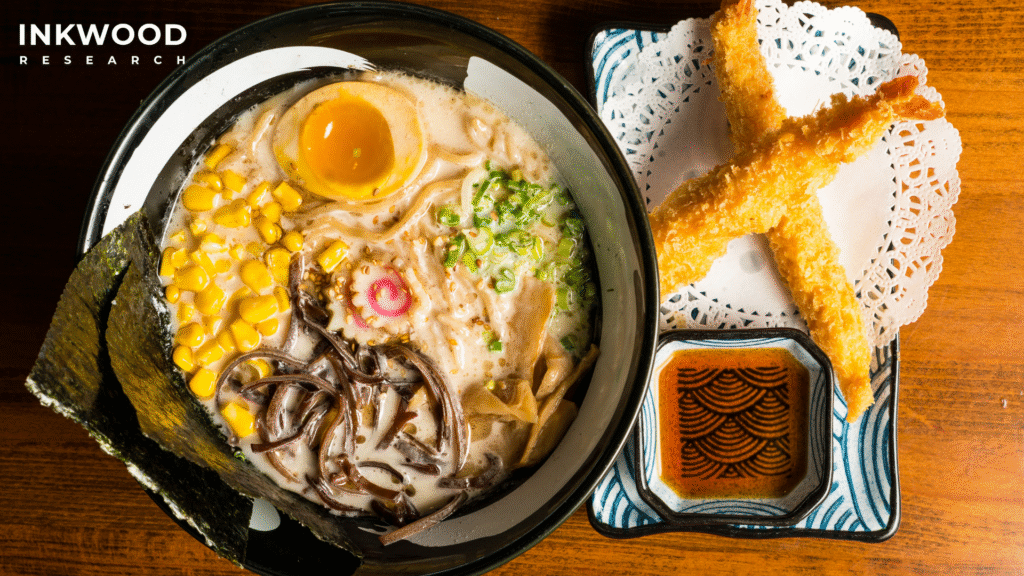
Japanese sushi, ramen, and izakaya-style dining propel global Japanese restaurant growth, and on the other hand, Chinese and Indian cuisines lead household penetration in multicultural markets like Canada.
Traditional Food Demand Meeting Modern Convenience
Traditional food demand persists even as consumption patterns evolve and consumers seek authentic flavors without sacrificing modern lifestyle convenience. Consequently, packaged ethnic foods and frozen ethnic meals bridge this gap successfully.
Packaged Ethnic Foods Innovation
Packaged ethnic foods eliminate cooking complexity while delivering restaurant-quality results. While shelf-stable formats dominate with a significant market share, offering cost benefits and prolonged shelf life, and on the other hand, frozen packaging is expanding, driven by convenience and flavor preservation needs.
Supermarkets stockpile must-have seasonings from different Asian regions, with online retailers offering specialty items, enabling home chefs to achieve professional results. Furthermore, detailed cooking instructions accompany products to ensure success.
Frozen Ethnic Meals Technology Advances
Frozen ethnic meals overcome historical quality limitations through technological innovation. Air fryer compatibility emerges as a crucial development consideration. Additionally, manufacturers formulate recipes specifically for microwave and air fryer preparation methods.
Packaging designs communicate optimal reheating techniques for best results. Moreover, portion sizes accommodate both individual meals and family servings, and subsequently, consumer satisfaction increases alongside adoption rates.
Regional Food Exports and Global Influence
Regional food exports from Asia-Pacific shape global food trade patterns. China ranks among the world’s largest ethnic food producers despite temporary COVID-19 disruptions, while Japan, Thailand, India, and South Korea maintain significant export operations.
Specialty Food Imports Driving Market Access
Specialty food imports enable authentic ingredient availability across global markets. For instance, Jasmine rice, fish sauce, curry pastes, and specialty noodles reach international consumers through improved distribution, while e-commerce platforms democratize access to previously hard-to-find items.
Supply chain challenges affect ingredient availability and costs. Jasmine rice prices surged 20% due to Southeast Asian droughts, illustrating vulnerability; moreover, regulatory actions can swiftly impact entire culinary categories, as demonstrated by various import restrictions.
Export Infrastructure and Government Support
Asian governments recognize food exports’ economic importance. Investment in modern processing facilities, cold chain infrastructure, and quality certification supports growth, while trade agreements facilitate market access across regions.
Leading exporters leverage advanced packaging technology to extend shelf life during shipping and adapt products to meet destination market regulatory requirements. Therefore, export success requires both culinary authenticity and logistical sophistication.
Restaurant Ethnic Menus Inspiring Product Innovation

Restaurant ethnic menus increasingly influence retail product development strategies. Successful dishes transition from restaurants to packaged formats, bringing familiar flavors into homes. Moreover, celebrity chef collaborations further lend credibility to retail offerings.
Gourmet Ethnic Meals Premium Positioning
Asian restaurants emphasize authentic dining experiences reflecting culinary traditions. 2025 industry analysis of over seven million orders from 3,000+ U.S, with Asian restaurants revealing strong consumer preference for authenticity. Furthermore, traditional recipes and cultural atmosphere attract discerning diners.
Restaurant ethnic menus showcase regional specialties and seasonal ingredients as consumers discover new flavors and preparations during dining experiences. Subsequently, they seek retail products replicating these tastes at home.
International Cuisine Trends Originating in Asia
International cuisine trends increasingly originate from Asia-Pacific culinary innovation. With Korean cuisine projecting a notable CAGR, fastest among major categories, social media further amplifies trend adoption, with viral recipes driving ingredient sales.
Fusion concepts blend Asian techniques with local preferences. Korean-Mexican, Indo-Chinese, and Thai-fusion preparations gain mainstream acceptance. Additionally, these innovations attract consumers seeking novel taste experiences.
Major Players and Competitive Analysis
Leading International Companies
- Nestlé pursues aggressive Asia-Pacific expansion strategies. The company strengthens Asian food brand offerings within its $110 billion global cuisine portfolio. Moreover, acquisitions supplement organic product development initiatives.
- Ajinomoto dominates through innovation-driven approaches and regional expertise. The company expanded European gyoza production in 2023 with new French facilities. Additionally, Ajinomoto develops ingredient solutions addressing supply chain challenges.
- Conagra Brands focuses on Asian-inspired frozen innovation. Their Future of Frozen Food 2025 report spotlights global cuisine trends, noting 375% growth in Asian frozen appetizers. Furthermore, the company invests in air fryer-compatible formats.
Regional Specialists and Local Champions
- Kikkoman Corporation leverages sauce expertise across multiple cuisines. The company balances traditional production methods with modern distribution capabilities. Moreover, Kikkoman products appear in both retail and food service channels globally.
- Tingyi (Cayman Islands) Holding Corp. dominates the Chinese instant noodle market. Additionally, the company expands into adjacent categories and new geographic markets. Strong distribution networks support competitive positioning.
- San Miguel Pure Foods Company leads Philippine ethnic food production. The company exports authentic Filipino products internationally while serving domestic demand. Furthermore, investments in processing technology enhance quality and efficiency.
Key Takeaways
The Asia-Pacific ethnic food market demonstrates exceptional growth potential across multiple dimensions:
- Cultural Influence: Asian cuisines dominate global ethnic food consumption, led by Chinese, Japanese, and Korean preparations.
- Innovation Leadership: Frozen ethnic meals technology advances preserve authentic flavors while meeting convenience demands, with 375% growth in Asian-inspired frozen appetizers.
- Export Dominance: Asia-Pacific countries lead global ethnic food production and exports, supported by government infrastructure investments and established distribution networks.
- Digital Transformation: E-commerce platforms enable specialty ingredient access globally, growing faster than traditional retail channels and expanding market reach.
Conclusion
The Asia-Pacific ethnic food market represents a culinary innovation epicenter where traditional food demand meets modern convenience expectations. Moreover, cultural dining habits and authentic food recipes preserve heritage while adapting to contemporary lifestyles. Furthermore, street food popularity transitions successfully into packaged ethnic foods and frozen ethnic meals formats.
Asia-Pacific’s significant global market share underscores regional dominance in production and consumption. Additionally, regional food exports from Japan, China, Singapore, Thailand, India, and South Korea supply a growing international appetite, while restaurant ethnic menus inspire product innovation, and social media further amplifies international cuisine trends.
Urbanization, rising disposable incomes, and digital commerce convergence create unprecedented opportunities. Therefore, strategic positioning in this dynamic market requires deep cultural understanding alongside operational excellence.
Want to understand how Asia-Pacific ethnic food market trends affect your business strategy?
Contact Inkwood Research for comprehensive market intelligence and customized consulting services addressing your specific regional market challenges and opportunities.