Table of Contents
TLDR
The global ethnic food market is experiencing unprecedented growth, driven by international cuisine trends, evolving consumer taste shifts, and innovative fusion food innovations. Furthermore, plant-based ethnic meals and ready-to-eat ethnic dishes are reshaping how people experience authentic food recipes worldwide. Moreover, packaged ethnic foods now dominate retail spaces, while specialty food imports continue expanding across markets. Additionally, sustainable ethnic packaging and health-conscious ethnic food options reflect modern consumer values. Consequently, these developments position traditional food demand for remarkable expansion through 2025.
Business executives, product strategists, and investment analysts seeking comprehensive insights into the ethnic food market will benefit from this analysis. Additionally, food manufacturers, retail buyers, and restaurant operators exploring exotic flavors analysis and regional food exports opportunities will find actionable intelligence. Moreover, entrepreneurs interested in ethnic snacks growth and frozen ethnic meals innovation can leverage these trends for strategic planning.
Global Ethnic Food Market Overview
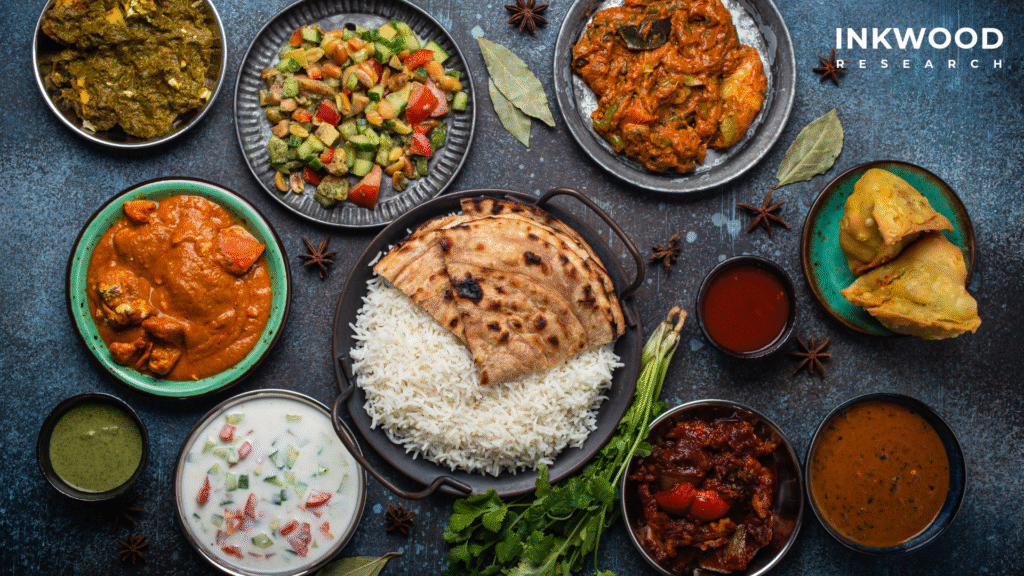
The global ethnic food market stands at a fascinating inflection point. The market reached $48.6 billion in 2025 and anticipates growth to $78.1 billion by 2032, reflecting powerful consumer appetite for diverse culinary experiences. However, these numbers only tell part of the story.
Market Dynamics and Growth Drivers
Migration patterns fundamentally reshape traditional food demand across continents, while social media platforms amplify exotic flavors analysis and discovery. Consequently, younger consumers increasingly seek authentic dining experiences beyond their cultural backgrounds.
Over 75% of consumers now prioritize food seasonality and regional sourcing, demonstrating how values influence purchasing decisions. Moreover, this shift extends beyond mere preference to reflect deeper consumer concerns about authenticity and sustainability.
Consumer Taste Shifts Accelerating Market Growth
Digital platforms democratize access to international cuisine trends previously confined to specialty restaurants as food delivery services expand consumer exposure to diverse culinary traditions. Therefore, experimentation becomes easier and more accessible than ever before.
International Cuisine Trends Driving Market Expansion
Asian cuisines continue dominating the ethnic food market landscape. Chinese food accounted for 36.7% of global revenue in 2024, establishing clear market leadership; meanwhile, Thai, Indian, and Japanese preparations capture significant consumer interest.
Cultural Dining Habits Influencing Product Development
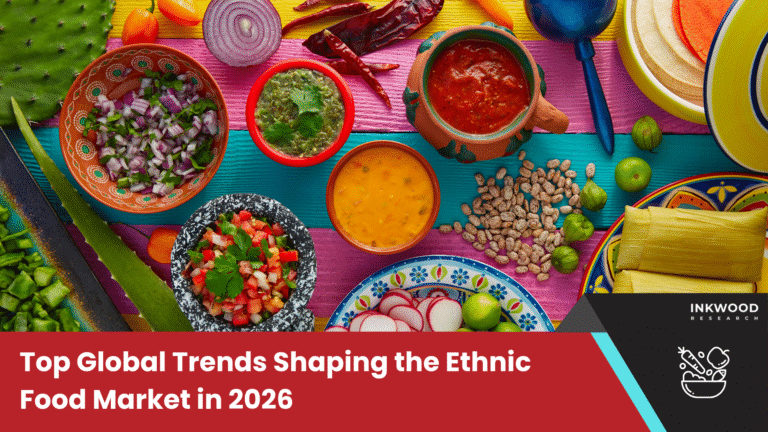
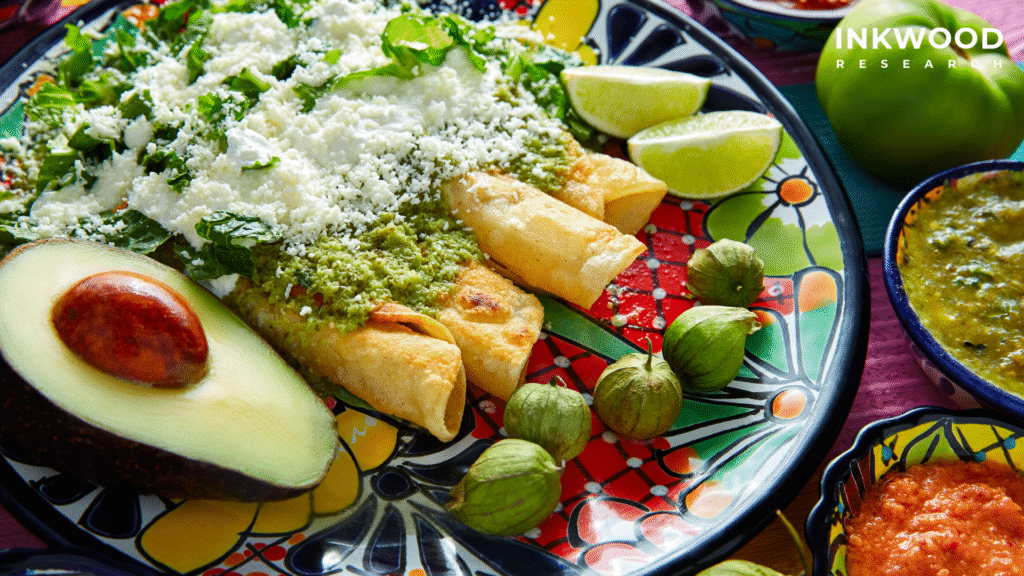
Mexican cuisine experiences remarkable momentum driven by bold flavor profiles. The Mexican food segment is expected to grow significantly over the upcoming decade, powered by street food popularity and plant-based innovations. Additionally, Mediterranean preparations attract health-conscious consumers seeking nutritious options.
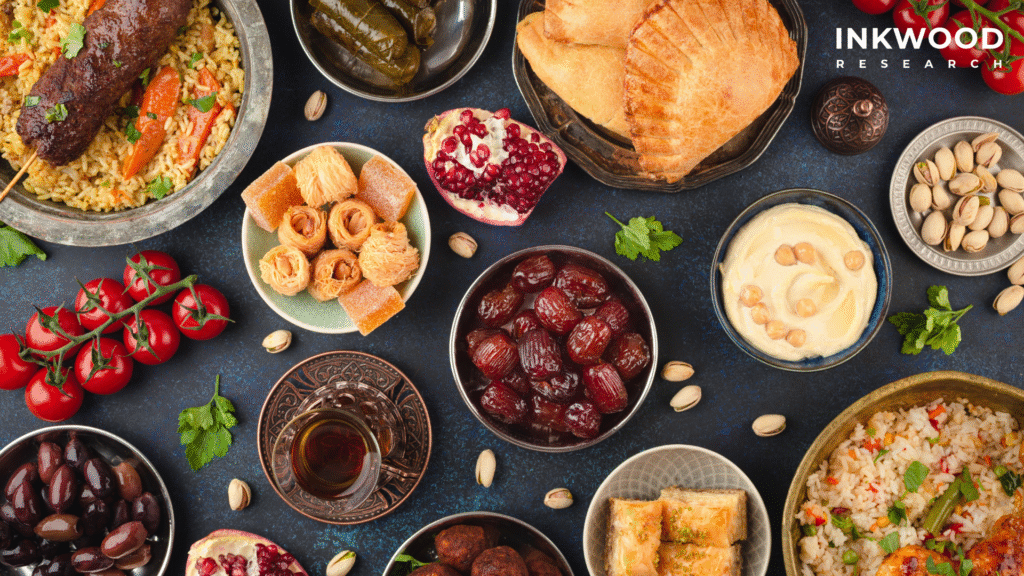
Middle Eastern flavors also emerge as significant fusion food innovations catalysts. Indeed, ingredients like harissa and za’atar now appear in mainstream products. Subsequently, these spices expand beyond traditional applications into surprising new formats.
Street Food Popularity Transforming Retail Products
Authentic street food popularity inspires packaged food innovation globally. Therefore, manufacturers recreate beloved street food experiences for home consumption. Notably, dumplings, samosas, and empanadas transition successfully from food trucks to frozen aisles. In fact, Asian-inspired frozen appetizers grew 375% over four years, demonstrating massive consumer appetite for convenient, authentic options.
Fusion Food Innovations Reshaping Consumer Preferences
Fusion food innovations blur traditional culinary boundaries in exciting ways. Moreover, chefs combine techniques and ingredients from multiple traditions to create novel experiences. Consequently, Korean-Mexican fusion and Indo-Chinese preparations gain mainstream acceptance.
Ethnic Snacks Growth in Mainstream Channels
- Chili-flavored packaged foods saw 4% growth while spice flavors surged 5%, reflecting social media’s tangible impact on product development. Furthermore, ethnic snacks’ growth accelerates as consumers seek bold, adventurous flavors. Subsequently, manufacturers expand beyond traditional chip and cracker formats into innovative snack categories.
- Seaweed snacks, masala-spiced nuts, and kimchi-flavored products now occupy significant shelf space. Additionally, these innovations appeal particularly to younger demographics seeking unique taste experiences. Therefore, traditional snack companies increasingly incorporate ethnic flavor profiles into core product lines.
Gourmet Ethnic Meals Entering Premium Segments
Gourmet ethnic meals command premium pricing through quality ingredients and authentic preparation methods. Indeed, consumers demonstrate willingness to pay more for restaurant-quality convenience. Moreover, artisanal producers emphasize small-batch production and traditional techniques.
Premium meal kits featuring authentic regional food exports ingredients attract adventurous home cooks. Furthermore, these kits often include detailed cultural context and cooking instructions. Consequently, consumers gain both culinary skills and cultural appreciation through these products.
Plant-Based and Health-Conscious Ethnic Food Revolution
The plant-based ethnic meals movement transforms traditional preparations into modern dietary preferences. Frozen plant-based ethnic products surge in popularity, particularly among millennials prioritizing sustainability. Additionally, many traditional ethnic cuisines naturally accommodate plant-forward eating patterns.
Organic Ethnic Food and Clean Label Demands
Health-conscious ethnic food addresses growing consumer scrutiny of ingredient lists. Furthermore, organic ethnic food products eliminate artificial preservatives and additives while maintaining authentic flavors.
Indian dal, Thai curry, and Middle Eastern mezze naturally align with plant-based preferences. Moreover, these cuisines offer centuries of vegetarian culinary wisdom applicable to modern dietary choices. Subsequently, manufacturers highlight these natural advantages in marketing strategies.
Sustainable Ethnic Packaging Initiatives
Sustainable ethnic packaging reflects environmental consciousness among target consumers, with companies investing in compostable materials and reducing plastic usage. Additionally, packaging innovations preserve product quality while minimizing environmental impact.
Brands communicate sustainability commitments through transparent labeling and supply chain disclosures. Furthermore, younger consumers increasingly factor packaging decisions into purchasing choices. Therefore, sustainability becomes a competitive advantage rather than an optional consideration.
Packaged and Ready-to-Eat Ethnic Dishes Transformation
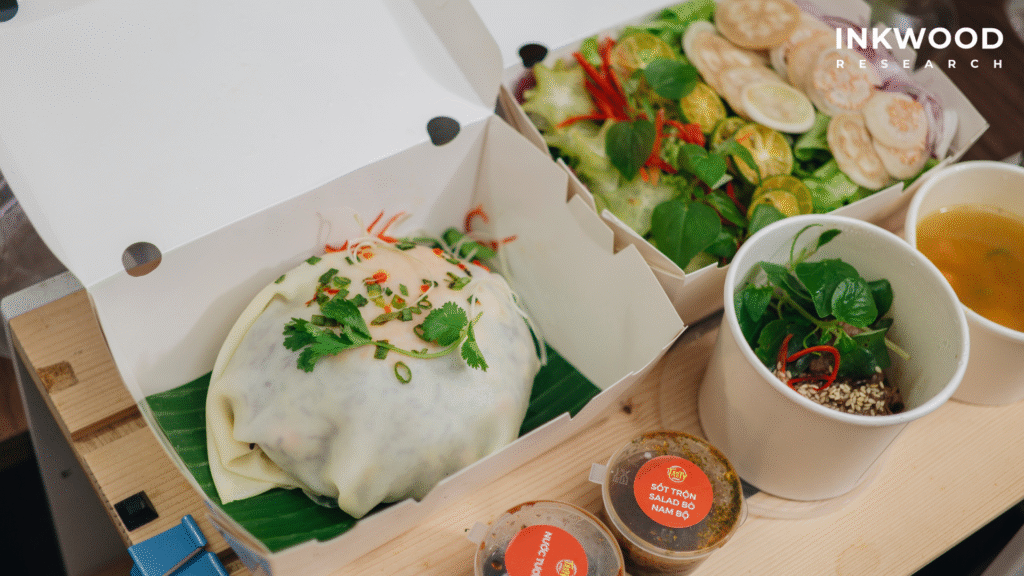
Packaged ethnic foods, expected to grow with a significant CAGR by 2032, demonstrate massive convenience food adoption. Moreover, ready-to-eat ethnic dishes eliminate cooking complexity while delivering authentic flavors. Consequently, busy professionals and younger consumers drive category expansion.
Frozen Ethnic Meals Innovation and Technology
Frozen ethnic meals overcome historical texture and flavor challenges through technological advancement. Technological advancements in freezing methods preserve authentic textures and flavors, capabilities once limited to fresh preparations. Additionally, air fryer compatibility emerged as a crucial product development consideration.
Manufacturers reformulate recipes specifically for microwave and air fryer preparation. Furthermore, packaging designs communicate optimal reheating methods for best results. Subsequently, consumer satisfaction increases alongside convenience.
Festival Food Consumption and Seasonal Products
Festival food consumption creates significant seasonal demand spikes for ethnic products. Indeed, retailers stock special items for Diwali, Lunar New Year, and other cultural celebrations. Moreover, these products introduce mainstream consumers to authentic festival traditions.
Limited-edition festival packaging attracts collectors and gift-givers. Additionally, brands collaborate with cultural organizations to ensure respectful representation. Therefore, festival products serve both commercial and educational purposes.
Regional Food Exports and Specialty Food Imports Growth
Regional food exports expand as demand for authenticity drives ingredient sourcing. Jasmine rice prices surged 20% due to Southeast Asian droughts, illustrating supply chain vulnerabilities. Furthermore, specialty food imports face regulatory challenges across different markets.
Halal Food Expansion and Kosher Food Opportunities
Halal food expansion addresses Muslim consumer needs across global markets, as mainstream retailers increasingly dedicate shelf space to certified halal products. Moreover, halal certification extends beyond meat to include sauces, snacks, and prepared meals.
Kosher food opportunities similarly grow as awareness increases beyond traditional Jewish communities. Furthermore, consumers perceive kosher certification as a quality indicator. Subsequently, manufacturers pursue multiple certifications to maximize market reach.
Spices Market Outlook and Ingredient Authentication
Spices market outlook remains robust despite supply chain pressures. McCormick selected Aji Amarillo as 2025 Flavor of the Year, predicting 59% menu growth, demonstrating how specific ingredients gain mainstream adoption. Additionally, ingredient authentication combats fraud in high-value spice categories.
Blockchain technology enables supply chain transparency from farm to consumer. Furthermore, DNA testing verifies the authenticity of premium ingredients. Therefore, technology solutions address longstanding industry challenges.
Competitive Landscape and Major Market Players
Leading Companies Shaping Market Direction
- Nestlé pursues aggressive ethnic food portfolio expansion. Nestlé announced strategic expansion into the $110 billion global cuisine market through enhanced Mexican and Asian brand offerings. Moreover, the company invests heavily in authenticity and innovation.
- Ajinomoto emphasizes technology-driven solutions. Ajinomoto rolled out Palate Perfect FL-TM fermented tomato flavor in July 2025, addressing supply chain challenges while meeting clean label demands. Additionally, the company expanded European gyoza production capacity.
- Conagra Brands focuses on frozen food innovation. Their comprehensive market research identifies emerging flavor trends early. Furthermore, the company invests in convenient formats aligning with consumer lifestyles.
Mid-Tier Players and Regional Specialists
- McCormick & Company leverages flavor expertise across categories. Their annual flavor forecasts influence product development industry-wide. Moreover, the company balances global reach with local relevance.
- General Mills integrates ethnic flavors into established brands while developing standalone ethnic product lines. Additionally, acquisition strategy supplements organic growth initiatives. Subsequently, the company maintains a diverse portfolio addressing multiple consumer segments.
Latest Product Development and Innovation
Recent Product Launches and Brand Extensions
Nestlé acquired Spice Route Kitchens in May 2025, strengthening its premium South Asian ready-to-eat positioning. Furthermore, this acquisition demonstrates strategic focus on convenience and authenticity. Meanwhile, DDC Enterprise acquired Omsom in June 2024, accelerating Asian food brand innovation.
Restaurant ethnic menus increasingly influence retail product development. Indeed, successful restaurant dishes transition to packaged formats. Moreover, celebrity chef collaborations bring credibility and consumer interest.
Technology Integration and E-Commerce Growth
Online ethnic food sales are set to outpace traditional retail channels, with e-commerce enabling the discovery of hard-to-find specialty food imports. Additionally, subscription boxes curate monthly ethnic food experiences.
Digital marketing strategies leverage social media food trends, as well, with brands collaborating with influencers to demonstrate product versatility. Subsequently, viral recipes play a vital role in driving product awareness and trial.
Key Takeaways
The global ethnic food market demonstrates remarkable resilience and innovation across multiple dimensions:
- Innovation Focus: Plant-based ethnic meals and frozen innovations lead product development, with technological advances preserving authentic flavors and textures.
- Consumer Drivers: Social media influence, health consciousness, and sustainability concerns shape purchasing decisions more than ever before.
- Channel Evolution: E-commerce growth outpaces traditional retail, enabling broader access to specialty ingredients and authentic products globally.
- Competitive Dynamics: Major players pursue acquisition strategies while regional specialists leverage authenticity advantages, creating a diverse competitive landscape.
Conclusion
The ethnic food market stands poised for transformative growth as international cuisine trends converge with technological innovation and changing consumer values. Moreover, fusion food innovations and plant-based ethnic meals demonstrate how traditional preparations adapt to modern preferences. Furthermore, the intersection of convenience, authenticity, and sustainability creates unprecedented opportunities.
Over 75% of consumers prioritizing seasonality and regional sourcing signals a fundamental shift in food purchasing criteria. Additionally, ready-to-eat ethnic dishes and frozen ethnic meals eliminate barriers between consumers and global flavors. Subsequently, market participants who balance authenticity with innovation will capture the greatest opportunities.
Ready to explore how these ethnic food market trends impact your business strategy?
Contact Inkwood Research today for customized market intelligence and strategic consulting services tailored to your specific needs in this dynamic and growing market.
Frequently Asked Questions (FAQs)
Multiple factors accelerate market expansion, including increasing multicultural populations, social media food trend influence, and growing consumer appetite for authentic international flavors. Additionally, improved distribution through e-commerce platforms makes specialty ethnic products more accessible than ever before.
Many traditional ethnic cuisines naturally accommodate vegetarian diets, providing manufacturers with authentic plant-based recipe foundations. Furthermore, sustainability-conscious millennials drive demand for organic ethnic food options.