
Table of Contents
TLDR :Â
The South Korea skincare market, valued at $4.94 billion in 2025 and projected to reach $7.53 billion by 2032, is pioneering waterless formulations that eliminate or minimize water content for more concentrated products. This revolutionary approach offers stronger results, extended shelf life, reduced preservatives, and smaller packaging requirements. The skincare brand Whamisa leads by replacing water with fermented botanical extracts including chrysanthemum and aloe vera, while the male skincare segment represents one of the fastest-growing categories. Online skincare purchases increased by 45% among consumers aged 20-35, with mobile commerce accounting for 60% of digital transactions. The movement combines sustainability with enhanced efficacy, positioning Korean brands as global innovation leaders.
South Korea Skin Care Market Overview and Market Size
The South Korea skin care market has transformed from a manufacturing hub into the global epicenter of skincare innovation. According to our research, this sophisticated market stands valued at $4.94 billion as of 2025. Furthermore, projections indicate the market value will grow to $7.53 billion by 2032, expanding with a CAGR of 6.21%.
Based on our analysis, Korean consumers demonstrate exceptional knowledge about comprehensive Korean skin care routines addressing various concerns. These include dry skin management, care for skin barrier protection, and solutions for different skin types. Moreover, consumers prioritize Korean skincare products that deliver visible results while maintaining gentle formulations suitable for sensitive skin conditions.
The market size expansion reflects deep cultural emphasis on achieving flawless skin through multi-step Korean skin care routines. Additionally, South Korean brands leverage traditional ingredients alongside modern technology to create unique skin care products appealing to both domestic and international consumers.
Market Value Drivers in Korean Beauty
- Deep-rooted cultural emphasis on skincare and self-care routines drives consistent consumer demand throughout the South Korea skin care market. Consequently, this cultural foundation supports market resilience through economic cycles while maintaining focus on preventing skin cancer through proper sun protection using Korean skincare products.
- Korean consumers invest significantly in comprehensive Korean skin care routines addressing diverse concerns, including dry skin management, oily skin control, and dark spots prevention. The market benefits from advanced retail infrastructure, strong e-commerce penetration, and sophisticated distribution networks reaching target demographics effectively.
- Moreover, the global skincare market increasingly looks to Korean skincare brands for inspiration. Korean skincare brands demonstrate leadership in developing products for skincare that address specific skin type needs while maintaining safety standards.

Zero Water Innovation: Transforming Skin Care Products
South Korean brands pioneer waterless skincare formulations, representing a fundamental shift in skin care product development philosophy. This revolutionary approach minimizes or eliminates water content in Korean skincare products. Subsequently, brands create more concentrated formulations delivering stronger results with fewer ingredients overall.
According to our findings, waterless products offer compelling value propositions for modern businesses and environmentally conscious consumers. These innovative South Korean skincare products provide smaller packaging requirements, extended shelf life, and reduced need for preservatives. Therefore, companies benefit from both performance advantages and regulatory compliance improvements.
Business Advantages of Waterless Formulations
Waterless skin care products cut down on water consumption during production phases. Additionally, they reduce shipping weight and support greener supply chains throughout distribution networks. These environmental benefits particularly appeal to eco-conscious consumers seeking effective care for skin while supporting sustainability initiatives through Korean skincare products.
South Korean brands demonstrate leadership in developing concentrated serums, waterless cleansers, and anhydrous moisturizers addressing various skin types. Furthermore, these innovations align with clean beauty trends and consumer demand for transparent, eco-friendly Korean skincare products.
Whamisa: Pioneering Excellence in Skin Care Products
South Korean brand Whamisa exemplifies waterless innovation by replacing water with fermented botanical extracts, including chrysanthemum, aloe vera, and rice components. This approach boosts product potency while aligning with clean beauty trends in the global skincare market through advanced South Korean skincare products.
From a business perspective, Whamisa’s waterless approach delivers several strategic advantages for the skin care products market. These include stronger brand differentiation in crowded natural skincare markets and global appeal in regions experiencing water scarcity concerns through innovative Korean skincare products.
The brand’s transparency about production processes builds consumer trust while establishing competitive advantages in international markets. Moreover, this model illustrates how sustainability, efficacy, and marketability intersect in modern Korean skincare products development.
Key Segments in the South Korea Skin Care Market Growth
The South Korean skin care market segments include source categories, user demographics, product types, price ranges, packaging formats, and distribution channels. Each segment contributes differently to the overall market value and growth trajectories in the skincare market, driven by Korean skincare brands.
User Demographics Driving Market Expansion
The male skincare segment represents one of the fastest-growing categories in the South Korea skin care market. Evolving social attitudes, increased grooming awareness, and targeted product development address men’s specific skin care needs effectively across different skin types through specialized Korean skincare products.
Male consumers increasingly adopt comprehensive Korean skin care routines extending beyond basic cleansing. These routines include specialized treatments for oily skin control, anti-aging concerns, and daily protection against environmental stressors that can cause dark spot formation using South Korean skincare products.
Based on our research, this segment benefits from simplified product positioning, multifunctional formulations, and masculine packaging aesthetics. These elements appeal to men seeking effective Korean skincare products without complex routine requirements for their specific skin type.
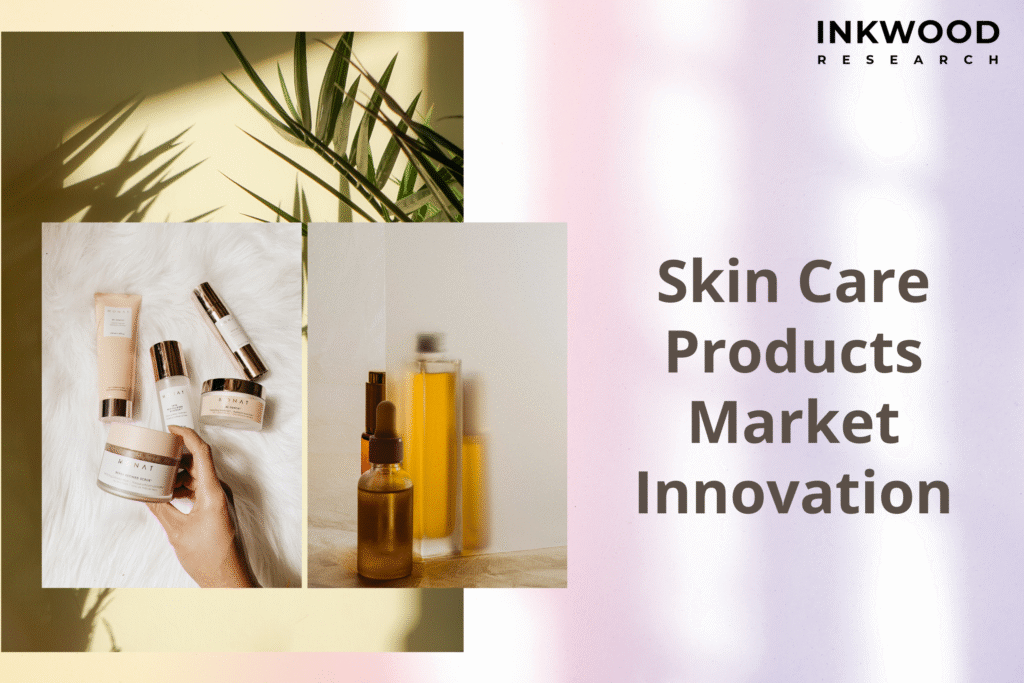
Skin Care Products Market Innovation
Korean skincare products encompass moisturizers addressing dry skin, specialized treatments for oily skin, dark spot correction serums, and protective formulations preventing skin cancer risks. Each category addresses specific concerns while incorporating advanced Korean biotechnology throughout formulation processes in South Korean skincare products.
The skin care products market demonstrates particular strength in moisturizers and lotions, dominating market share by addressing fundamental hydration needs. Meanwhile, masks and serums experience rapid growth through innovation in delivery systems and concentrated active ingredients for various skin types through Korean skincare brands.
Korean skincare brands excel at developing multifunctional products addressing multiple skin concerns simultaneously. For instance, Korean skincare products combine coverage with skincare benefits, including sun protection, moisturization, and care for skin barrier function.

Global Skincare Market Trends Driving Innovation
Personalized skincare solutions using artificial intelligence and data analytics transform consumer beauty routines throughout the global skincare market. These technological innovations enable customized product recommendations based on individual skin type analysis and environmental factors affecting skin health through Korean skincare products.
Clean beauty and sustainable packaging demand drive vegan, cruelty-free product formulations across Korean skincare brands in the skincare market. Consequently, companies invest in eco-friendly alternatives while maintaining product efficacy for different skin types and addressing concerns like dark spots prevention.
E-commerce Revolution in Skincare Products
E-commerce platforms and digital marketing channels revolutionize how Korean consumers discover and purchase South Korean skincare products. Live-streaming commerce and social media influence drive significant growth in the South Korea skin care market through direct consumer engagement strategies.
Digital channels now account for substantial portions of skincare market sales, transforming traditional retail distribution models. Moreover, social media platforms enable Korean skincare brands to educate consumers about proper Korean skin care routines for different skin types, including dry skin management and oily skin control.
The data table below illustrates key digital adoption metrics across age demographics in the Korean skincare market:
According to industry data from the Korea Cosmetic Association, online skincare purchases increased by 45% among consumers aged 20-35, while mobile commerce accounts for 60% of total digital Korean skincare product transactions.
Multifunctional Product Development
Multifunctional hybrid products combining skincare and makeup cater to busy lifestyle preferences among Korean consumers. These innovative formulations deliver multiple benefits while simplifying daily Korean skin care routines for time-conscious users across all skin types.
Korean skincare brands excel at developing products addressing multiple skin concerns simultaneously in the global skincare market. These innovations include formulations that provide coverage while delivering skincare benefits, including sun protection and moisturization for comprehensive care for skin through Korean skincare products.
South Korea Skin Care Market Drivers and Challenges
Global K-pop and K-Drama influence significantly boosts international brand visibility and product adoption worldwide in the global skincare market. This cultural soft power translates into increased demand for South Korean skincare products across international markets seeking effective solutions for various skin types.
Continuous innovation in biotechnology and fermented ingredients creates competitive product advantages for Korean skincare brands. Additionally, these scientific advancements enable the development of more effective formulations targeting specific concerns like dark spots, dry skin management, and oily skin control through Korean skincare products.
Government Support and Infrastructure
Strong government support for cosmetic exports and digital marketing expansion facilitates growth opportunities in the South Korean skin care market. Regulatory frameworks promote industry development through research funding, export incentives, and streamlined approval processes for innovative Korean skincare products.
The regulatory environment supports innovation while ensuring consumer safety through stringent testing requirements and quality standards. These measures enhance market credibility while protecting consumer interests across all demographic segments in the skincare market using South Korean skincare products.
Government initiatives also promote research into skin cancer prevention through improved sun protection formulations. Moreover, these efforts support the development of Korean skincare products addressing specific skin type needs throughout the Korean beauty industry.
Market Challenges and Restraints
Intense domestic competition from numerous local and international brands creates significant pricing pressures throughout the South Korea skin care market. Market saturation and high consumer expectations challenge traditional product offerings, requiring continuous innovation investments in Korean skincare products.
Stringent regulatory standards and safety requirements increase compliance costs for manufacturers in the global skincare market. Furthermore, supply chain complexities and ingredient sourcing challenges impact production efficiency across the industry, affecting Korean skincare brands.
Competition intensifies as international brands adapt formulations for Korean preferences while South Korean brands expand globally. Additionally, consumer demands for transparency and sustainability create additional development challenges for Korean skincare product manufacturers.

Competitive Landscape in the Korean Skincare Market
Amorepacific Corporation operates as the largest beauty conglomerate in the South Korean skin care market. The multinational corporation, headquartered in Seoul, maintains extensive operations across Asia-Pacific markets with a growing international presence targeting diverse skin types globally through Korean skincare brands.
The company’s comprehensive portfolio encompasses premium brands including Sulwhasoo, Laneige, Mamonde, and Innisfree. These Korean skincare brands address diverse consumer needs from luxury anti-aging formulations to accessible daily Korean skincare products targeting various skin types, including dry skin and oily skin management.
Major International Players in the Skincare Market
L’Oréal SA maintains a significant presence in the South Korea skin care market through strategic partnerships and localized product development. The company adapts global formulations to meet Korean consumer preferences while leveraging international research capabilities for Korean skincare products, addressing specific skin types.
Shiseido Company Limited combines Japanese precision with Korean market insights to develop targeted solutions for Asian skin characteristics. Moreover, the brand emphasizes scientific research and premium positioning throughout its operations in the Korean skincare market, competing with South Korean brands.
Unilever PLC focuses on accessible pricing strategies while maintaining quality standards across diverse product categories in the skin care products market. The company’s approach appeals to price-conscious consumers seeking effective Korean skincare products for various concerns, including dark spots and dry skin.
Innovation Leadership in Products for Skincare
Amorepacific’s business model emphasizes vertical integration from ingredient research through retail distribution in the global skincare market. The company leverages advanced R&D capabilities, proprietary botanical extraction technologies, and omnichannel distribution strategies effectively through Korean skincare brands.
These strategies combine flagship stores, department store partnerships, and robust e-commerce platforms throughout the South Korea skin care market. Additionally, commitment to sustainability and cultural heritage positions the company as a leader in defining trends for South Korean skincare products globally.
The company invests heavily in research addressing skin cancer prevention, dark spots treatment, and formulations suitable for different skin types. Furthermore, their innovation pipeline focuses on care for skin barrier protection and environmental defense systems through Korean skincare products.
Latest Skin Care Product Developments
Korean skincare brands launched numerous innovative products addressing evolving consumer needs throughout 2024 and early 2025 in the skincare market. These developments focus on waterless formulations, personalized solutions, and sustainable packaging alternatives for various skin types through South Korean skincare products.
Amorepacific introduced fermented botanical extracts in their Sulwhasoo line, combining traditional Korean ingredients with modern extraction technologies. These formulations target age-related concerns while supporting skin barrier function across different skin types in the global skincare market through innovative Korean skincare products.
Biotechnology Breakthroughs in Skin Care Products
Korean research institutes developed advanced fermentation processes, creating more bioavailable active ingredients for the skin care products market. These innovations enhance product efficacy while reducing potential irritation for sensitive skin consumers requiring specialized care for skin through Korean skincare products.
LG H&H launched personalized skincare systems using artificial intelligence to analyze individual skin conditions. Furthermore, these systems recommend customized Korean skin care routines addressing specific concerns like dark spots, dry skin, and oily skin management using South Korean skincare products.
Recent developments include breakthrough formulations addressing skin cancer prevention through enhanced UV protection. Additionally, new Korean skincare products target specific skin type needs while maintaining gentle formulations suitable for daily Korean skin care routines.
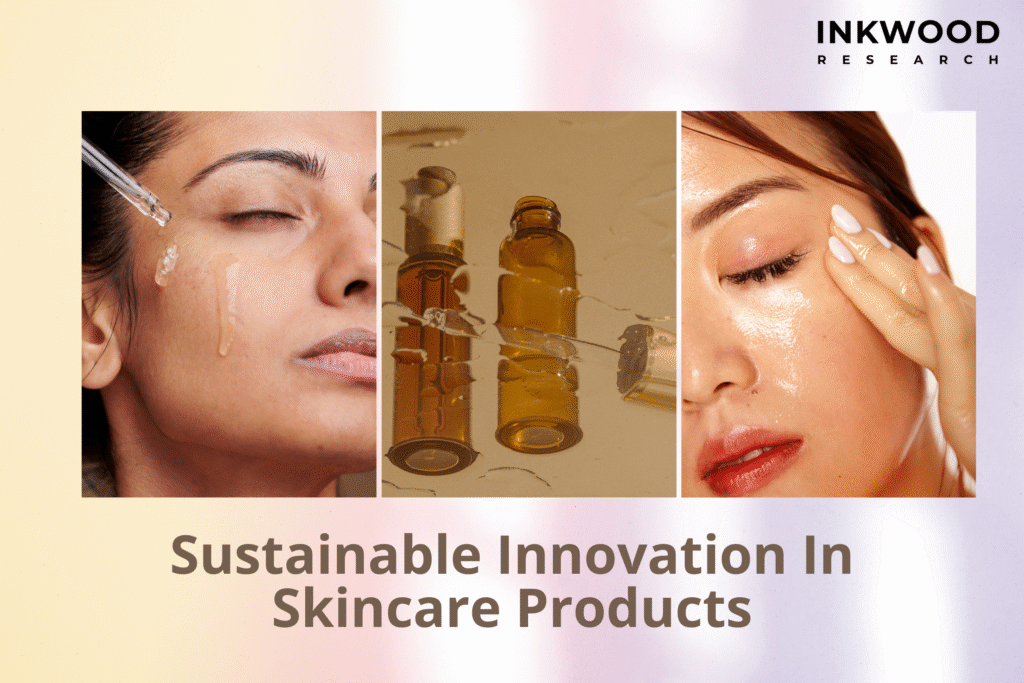
Sustainable Innovation in Skincare Products
Korean skincare brands increasingly adopt refillable packaging systems, reducing environmental impact while maintaining premium aesthetics in the South Korea skin care market. Innisfree expanded its refillable cushion compact programs, while Laneige introduced recyclable packaging across multiple South Korean skincare product lines.
These sustainability initiatives align with growing consumer awareness about environmental responsibility in the global skincare market. Moreover, they create competitive advantages in international markets where eco-consciousness influences purchasing decisions for Korean skincare products significantly.
Companies also invest in developing Korean skincare products addressing various skin types while minimizing environmental impact. Furthermore, innovations include biodegradable formulations and packaging solutions supporting circular economy principles in Korean skincare products manufacturing.
South Korea Skin Care Market Regional Analysis
The South Korea skin care market influences global beauty trends through technological advancement and cultural export in the international skincare market. Korean skincare brands establish an international presence while maintaining domestic market leadership through continuous innovation and consumer education for various skin types.
Integration of artificial intelligence, personalized diagnostics, and customized formulations enhances consumer experience throughout the region. These technological advances drive market value growth through premium positioning strategies and improved customer satisfaction levels in the Korean skincare products market.
Technology Transfer and Innovation Impact
Korean skincare technology influences industry standards through innovative delivery systems and ingredient processing methods in the global skincare market. These technological contributions enhance product development capabilities across international markets for South Korean skincare products.
Research collaborations between Korean institutes and global companies accelerate innovation timelines in the skincare market. Furthermore, these partnerships enable knowledge transfer, supporting worldwide advancement and consumer benefit across different skin types through Korean skincare products.
The data table analysis from government sources shows Korean skincare exports increased by 23% in 2024, with major growth in markets demanding Korean skincare products addressing specific skin type needs and environmental protection requirements.
Key Takeaways
- The South Korean skin care market demonstrates exceptional growth potential through technological innovation, cultural influence, and consumer sophistication in the global skincare market. Waterless formulations represent a transformative trend addressing sustainability concerns while delivering enhanced performance for various skin types through Korean skincare products.
- Korean skincare brands excel at combining traditional ingredients with modern technology, creating unique value propositions in the skincare products market. Moreover, the market benefits from strong government support, advanced infrastructure, and sophisticated distribution networks supporting the continued expansion of South Korean skincare products.
- Male skincare segments present significant growth opportunities as traditional gender boundaries continue evolving in the skincare market. Additionally, personalized solutions using artificial intelligence enhance consumer experience while driving premium positioning strategies for Korean skincare products, addressing specific skin types.
- Environmental consciousness drives demand for sustainable packaging and clean beauty formulations throughout the industry. Consequently, Korean skincare brands investing in eco-friendly innovations gain competitive advantages in domestic and international markets for Korean skincare products.
The market value growth reflects increasing consumer awareness about skin cancer prevention, proper care for skin barrier function, and addressing concerns like dark spots, dry skin, and oily skin management through targeted Korean skin care routines.
Conclusion
The South Korea skin care market revolution extends far beyond traditional beauty concepts, encompassing technological innovation, cultural influence, and environmental responsibility in the global skincare market. The zero water movement exemplifies how South Korean brands lead trends through scientific advancement and consumer-focused development for various skin types.
As the market continues expanding toward $7.53 billion by 2032, businesses must embrace innovation while maintaining quality and sustainability standards. The industry’s future depends on balancing technological advancement with cultural authenticity and environmental consciousness in developing Korean skincare products.
Korean innovations in addressing dry skin, oily skin control, dark spots prevention, and skin cancer protection establish new standards for the global skincare market. Furthermore, the emphasis on care for skin barrier function and Korean skincare products addressing specific skin type needs positions Korea as the continued leader in beauty innovation.
If you need customized consultation contact us now.
Also, make sure you check out our in-depth research reports or request a FREE sample customized as per your requirements.
Frequently Asked Questions (FAQs)
Waterless formulations minimize or eliminate water content to create more concentrated products. These innovations offer smaller packaging requirements, extended shelf life, and reduced need for preservatives while delivering stronger results with fewer ingredients.
Waterless skin care products cut down on water consumption during production phases and reduce shipping weight, supporting greener supply chains. They also require less packaging and eliminate the need for water-soluble preservatives.
Whamisa exemplifies waterless innovation by replacing water with fermented botanical extracts, including chrysanthemum, aloe vera, and rice components. On the other hand, major companies like Amorepacific invest heavily in waterless R&D across their brand portfolios.