Table of Contents

TLDR
Japanese skincare brands are transforming the global skin care market through traditional superfoods like matcha, collagen, and rice bran. These ingredients drive innovation in the Japan skin care market, creating products that blend ancient wisdom with modern science. Traditional Japanese ingredients offer unique benefits for dry skin, anti-aging, and overall skin care routine enhancement. The skincare market values these authentic formulations at premium prices. Major Japan skincare brands are expanding globally by combining cultural heritage with scientific research. This trend represents significant market value growth as consumers seek natural alternatives for their daily skin care needs.
This blog serves skincare enthusiasts, beauty industry professionals, and product development managers seeking insights into Japanese ingredient innovations. Skincare industry executives and brand managers will discover how traditional ingredients create competitive advantages in the global skin care market. Consumers interested in natural skin care products and Japan skincare must buy items will find valuable information about ingredient benefits. Beauty retailers and distributors can understand emerging trends in Japan skincare products and premium skincare market opportunities. Research analysts and investors focusing on the products for skincare sector will gain strategic insights into market growth drivers and consumer preferences.
Japan Skin Care Market: J-Beauty’s Traditional Foundation
A centuries-old tea ceremony ingredient becomes the star of modern skincare laboratories. Meanwhile, traditional Japanese foods transform into luxury beauty formulations. The Japan skin care market is experiencing remarkable growth through this fascinating blend of heritage and innovation.
Based on our analysis at Inkwood Research, the Japan skin care market reached $11.49 billion in 2025. Moreover, it’s projected to reach $17.57 billion by 2032, growing at a CAGR of 6.26%. This impressive market value growth stems largely from Japanese brands successfully commercializing traditional ingredients.
Japanese consumers have always prioritized gentle, effective formulations. However, today’s skin care market sees global demand for these time-tested ingredients. Brands like Shiseido, SK-II, and Tatcha are leading this revolution. Furthermore, they’re transforming ancient beauty wisdom into scientifically-backed skin care products.
Cultural Beauty Philosophy
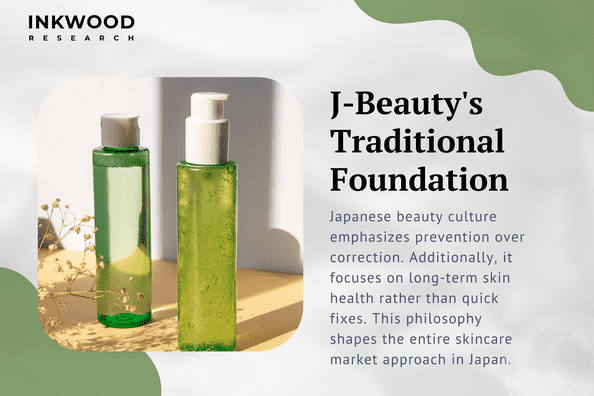
- Japanese beauty culture emphasizes prevention over correction. Additionally, it focuses on long-term skin health rather than quick fixes. This philosophy shapes the entire skincare market approach in Japan.
- Traditional Japanese beauty rituals involve multiple steps. Each step serves a specific purpose in maintaining healthy skin. Consequently, this methodology influences modern skin care routine development globally.
- The concept of “ma” (mindful spacing) applies to skincare timing. Japanese consumers believe proper intervals between product application enhance efficacy. Therefore, Japan skincare brands design products with this principle in mind.
Scientific Validation Process
- Japanese companies invest heavily in research and development. They scientifically validate traditional ingredients through rigorous testing. As a result, the skincare industry gains credibility through evidence-based formulations.
- Modern laboratories analyze ancient ingredients using advanced technology. This process identifies active compounds responsible for skin benefits. Subsequently, brands can optimize concentrations for maximum effectiveness.
- The regulatory environment in Japan ensures product safety and efficacy. Ministry of Health, Labour and Welfare sets stringent standards. Consequently, Japan skincare products maintain exceptional quality reputations globally.
Matcha: The Green Powerhouse
Antioxidant Properties
Matcha contains exceptionally high levels of catechins and polyphenols. These compounds provide powerful antioxidant protection against environmental damage. Furthermore, they help prevent premature aging and skin deterioration.
Research shows matcha contains 137 times more antioxidants than regular green tea. This concentrated potency makes it ideal for skin care products. Additionally, it offers superior protection against free radical damage.
The EGCG (epigallocatechin gallate) in matcha demonstrates anti-inflammatory properties. It helps calm irritated skin and reduces redness. Therefore, matcha-based formulations work well for sensitive skin types.
Skin Benefits and Applications
Matcha helps regulate sebum production in oily skin types. Its natural astringent properties minimize pore appearance. Consequently, many products for skincare targeting acne incorporate matcha extracts.
The chlorophyll content in matcha provides natural detoxification benefits. It helps remove impurities from pores effectively. Moreover, it gives products a distinctive green color consumers recognize.
Anti-aging properties make matcha valuable for mature skin concerns. It stimulates collagen production naturally. Therefore, many premium skin care product lines feature matcha as a key ingredient.
Market Implementation
Leading Japan skincare brands like Tatcha built entire product lines around matcha. Their success demonstrates consumer appetite for traditional ingredients. Additionally, it shows how heritage marketing resonates globally.
The global matcha skincare market is experiencing significant growth. According to our research, demand continues rising across all demographic segments. Furthermore, premium pricing strategies prove successful for matcha-based products.
Innovation in matcha processing creates new possibilities. Nano-encapsulation technology enhances ingredient penetration. Consequently, modern formulations deliver superior results compared to traditional applications.
Collagen: Ancient Beauty Secret
Traditional Japanese Collagen Sources
Japanese cuisine traditionally includes collagen-rich foods like fish bones and seaweed. These dietary sources inspired skincare applications. Moreover, they provide the foundation for modern collagen beauty products.
Marine collagen from Japanese waters offers superior bioavailability. It absorbs more easily than bovine alternatives. Therefore, Japan skincare products emphasizing marine collagen gain competitive advantages.
Traditional preparation methods preserve collagen integrity. Japanese processing techniques maintain molecular structure. Consequently, the resulting ingredients demonstrate enhanced efficacy in skincare formulations.
Scientific Innovation
Modern extraction methods optimize collagen molecular weight. Smaller molecules penetrate skin more effectively. Additionally, they stimulate natural collagen production processes.
Hydrolyzed collagen peptides offer improved stability in formulations. They resist degradation during storage and application. Furthermore, they deliver consistent results across product batches.
Combination therapies using collagen and vitamin C enhance effectiveness. This synergistic approach maximizes anti-aging benefits. Therefore, many best Japanese skincare products incorporate both ingredients.
Consumer Appeal
The skincare market shows strong consumer preference for collagen products. Anti-aging benefits appeal to mature demographics particularly. Additionally, preventive use attracts younger consumers seeking long-term skin health.
Marketing strategies emphasize natural sources and traditional heritage. This approach resonates with consumers seeking authentic ingredients. Moreover, it justifies premium pricing for collagen-based skin care products.
Product formats range from serums to sheet masks. This variety allows brands to target different consumer preferences. Consequently, collagen appears across multiple product categories successfully.
Rice Bran: Traditional Skin Nourishment
Historical Significance
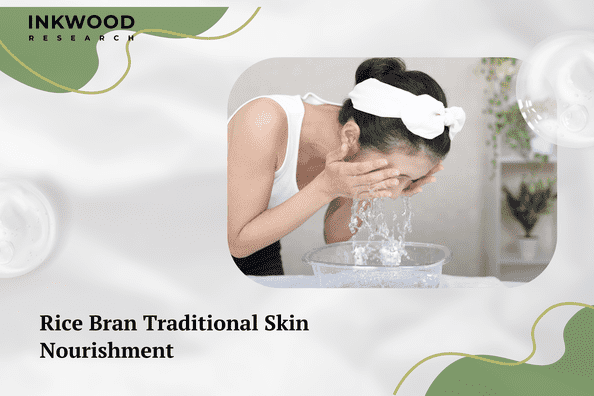
Japanese geishas traditionally used rice water for skin cleansing. This practice dates back over 1,000 years. Furthermore, it demonstrates the long-standing recognition of rice’s beauty benefits.
Rice bran oil was a luxury ingredient in ancient Japan. Only wealthy families accessed this precious beauty resource. Today, modern processing makes it widely available in products for skincare.
Traditional fermentation processes enhance rice bran’s beneficial properties. Sake brewing byproducts became skincare ingredients naturally. Additionally, this connection strengthens the cultural authenticity of modern formulations.
Active Compounds
Rice bran contains high levels of vitamin E and oryzanol. These compounds provide excellent moisturizing properties. Moreover, they help strengthen the skin’s natural barrier function.
Ferulic acid in rice bran offers potent antioxidant protection. It works synergistically with vitamins C and E. Therefore, rice bran serves as an excellent base for comprehensive skin care routine products.
Natural ceramides in rice bran support skin hydration. They help restore and maintain moisture balance. Consequently, rice bran formulations work particularly well for dry skin conditions.
Modern Applications
Contemporary Japan skincare brands like SK-II built reputations on fermented rice ingredients. Their flagship products showcase rice-derived benefits effectively. Additionally, they demonstrate how traditional ingredients command premium prices.
Processing innovations concentrate rice bran’s active compounds. Modern extraction methods preserve beneficial properties while removing irritants. Furthermore, they enable stable formulation development.
Product diversification expands rice bran applications. From cleansers to moisturizers, rice appears across categories. Therefore, brands can create comprehensive product lines using this versatile ingredient.
Seaweed and Marine Ingredients
Coastal Heritage
Japan’s island geography provides abundant marine resources. Coastal communities traditionally used seaweed for health and beauty. Moreover, this heritage influences modern skincare industry ingredient selection.
Different seaweed varieties offer unique benefits. Wakame provides hydration, while nori offers minerals. Additionally, kombu contains amino acids beneficial for skin health.
Traditional harvesting and processing methods preserve ingredient integrity. Sustainable practices ensure long-term resource availability. Consequently, marine ingredients align with growing environmental consciousness in the skin care market.
Mineral Content
Seaweed contains over 60 trace minerals beneficial for skin health. These minerals support cellular regeneration processes. Furthermore, they help maintain optimal skin function and appearance.
High iodine content provides antimicrobial benefits. This property makes seaweed useful for acne-prone skin. Additionally, it helps prevent bacterial growth in formulations.
Natural polysaccharides create excellent moisturizing properties. They form protective films on skin surfaces. Therefore, seaweed ingredients work well in hydrating skin care products.
Japan Skin Care Market Impact and Consumer Response
Global Market Penetration –
Traditional Japanese ingredients are gaining international recognition. Global skincare market trends show increasing demand for authentic formulations. Moreover, consumers actively seek Japan skincare must buy products featuring heritage ingredients.
The market size for Japanese-inspired skincare continues expanding globally. North American and European markets show particular growth. Additionally, Asian markets demonstrate strong preference for traditional ingredient formulations.
Premium positioning strategies prove successful for traditional ingredients. Consumers willingly pay higher prices for authentic Japanese formulations. Therefore, these ingredients contribute significantly to overall market value growth.
Consumer Education Efforts –
Brands invest heavily in educating consumers about ingredient benefits. Digital marketing campaigns explain traditional usage and modern applications. Furthermore, they build credibility through scientific evidence and cultural storytelling.
Social media platforms amplify ingredient education efforts. Beauty influencers showcase traditional ingredients regularly. Additionally, user-generated content demonstrates real-world results and satisfaction.
Retail partnerships enhance consumer education opportunities. In-store demonstrations and sampling programs build awareness. Moreover, they allow consumers to experience product benefits directly.
Competitive Advantages –
Traditional ingredients provide clear differentiation opportunities. Brands can claim unique heritage and authenticity. Consequently, they build stronger emotional connections with consumers seeking genuine products.
Scientific validation of traditional ingredients strengthens market positions. Research-backed claims enhance credibility significantly. Furthermore, they support premium pricing strategies effectively.
Cultural storytelling creates compelling brand narratives. Traditional ingredient stories resonate across diverse markets. Therefore, they provide sustainable competitive advantages in the crowded skincare market.
Japan Skin Care Market | Innovation Through Tradition
Research and Development
- Japanese companies lead global research into traditional ingredient applications. They invest significantly in understanding molecular mechanisms. Moreover, they develop innovative delivery systems for enhanced efficacy.
- University partnerships strengthen research capabilities. Academic institutions provide scientific expertise and resources. Additionally, they validate traditional knowledge through rigorous testing protocols.
- Patent development protects innovative formulations. Companies secure intellectual property rights for unique applications. Consequently, they maintain competitive advantages in the global skincare industry.
Technology Integration
- Modern extraction technologies optimize ingredient potency. Supercritical CO2 extraction preserves delicate compounds effectively. Furthermore, it eliminates harmful solvents from processing procedures.
- Nanotechnology enhances ingredient penetration and stability. Smaller particle sizes improve bioavailability significantly. Additionally, they enable innovative product formats and applications.
- Fermentation technology amplifies traditional ingredient benefits. Controlled fermentation processes create enhanced compounds. Therefore, modern products often exceed traditional preparations in effectiveness.
Global Expansion Strategies in Japan’s Skin Care Market
Market Entry Approaches
Japan skincare brands use heritage marketing for international expansion. They emphasize cultural authenticity and traditional wisdom. Moreover, they position products as premium alternatives to conventional formulations.
Partnership strategies with local distributors accelerate market entry. Local partners provide market knowledge and distribution networks. Additionally, they help navigate regulatory requirements efficiently.
Digital marketing campaigns target specific demographic segments. Social media platforms enable precise audience targeting. Furthermore, they allow cost-effective global reach for specialized products.
Regulatory Compliance
International regulations vary significantly across markets. Brands must adapt formulations for different requirements. Consequently, they invest in regulatory expertise and compliance systems.
Safety testing protocols ensure global market acceptance. Extensive testing validates ingredient safety and efficacy. Moreover, it builds consumer confidence in traditional ingredient formulations.
Labeling requirements differ across international markets. Brands develop market-specific packaging and communications. Therefore, they ensure compliance while maintaining brand consistency.
Key Takeaways
- The Japan skin care market demonstrates remarkable success through traditional ingredient innovation. Ancient wisdom combined with modern science creates compelling consumer value propositions. Furthermore, this approach generates significant market value growth opportunities.
- Traditional ingredients like matcha, collagen, and rice bran offer proven benefits. Scientific validation strengthens their credibility in the global skincare market. Additionally, they provide differentiation opportunities for brands seeking competitive advantages.
- Consumer demand for authentic, natural ingredients continues growing globally. Japan skincare products featuring traditional ingredients meet this demand effectively. Moreover, they command premium prices through heritage positioning strategies.
- The integration of traditional ingredients with modern technology creates superior formulations. This approach satisfies consumer desires for both authenticity and efficacy. Consequently, it drives sustained growth in the skincare industry.
In conclusion, based on our research, the Japan skin care market will continue expanding through traditional ingredient innovations. Companies investing in this approach will capture significant market opportunities. Furthermore, they will build sustainable competitive advantages in the evolving beauty landscape.
If you need customized consultation contact us now.
Make sure you check out our in-depth research reports or request a FREE sample customized as per your requirements.
Frequently Asked Questions (FAQs)
Waterless skincare refers to products formulated without water as the primary ingredient, using oils, butters, or powder-to-foam formulas instead. Japanese brands like Tatcha and Fancl pioneered this trend for enhanced potency, longer shelf life, and reduced environmental impact while delivering concentrated active ingredients.
Top Japanese skincare brands include Shiseido, SK-II, Hada Labo, Curel, Kose, and Fancl. These brands are known for innovative formulations, high-quality ingredients, and products tailored to Asian skin types and concerns.
Japanese sunscreens use advanced UV filter technology that provides superior protection while feeling lightweight and non-greasy. Brands like Biore and Anessa offer broad-spectrum protection without the white cast or heavy texture common in Western formulations.
Current Japanese skincare trends include fermented skincare ingredients, minimalist routines, barrier repair products, and “glass skin” achieving products. There’s also growing interest in sustainable packaging and clean beauty formulations.