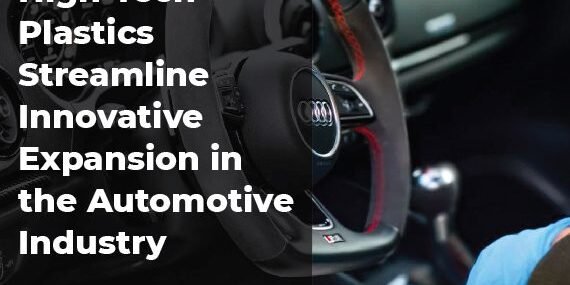
High-Performance Polymers Reshaping Automotive Plastics
Estimated Reading Time: 8 minutes
This analysis is brought to you by Inkwood Research, a market intelligence firm specializing in advanced materials, specialty chemicals, and automotive supply chains. Our research team tracks polymer innovation, lightweighting strategies, and regulatory shifts across North America, Europe, and Asia-Pacific. Through close engagement with material suppliers, component manufacturers, and industry stakeholders, we deliver actionable insights for decision-makers navigating the automotive plastics market.
Image Alt Text: Modern car interior and exterior components made from automotive plastics and high-performance polymers
TL;DR
Automotive plastics now sit at the center of vehicle design. They help manufacturers cut weight, resist corrosion, and innovate faster. According to our analysis, the automotive plastics market was set to grow at a CAGR of 9.78% over the 2019–2027 forecast period. Tightening carbon emissions norms and demand for lightweight, fuel-efficient vehicles have pushed high-performance plastics to the front of that growth. This blog covers ten key polymers, recent supplier moves, and the challenges ahead.
Who Will Find This Blog Useful?
This blog is written for product strategists, procurement heads, and engineering leaders at automotive OEMs and tier suppliers. Polymer producers, compounders, and investors tracking the automotive industry will also find practical insight here. The same goes for sustainability teams preparing for recycled-content rules and anyone comparing engineering polymers for next-generation vehicle platforms.
Table of Contents
- Why Are Automotive Plastics Now Central to Vehicle Design?
- What Forces Are Driving the Automotive Plastics Market?
- Which High-Performance Plastics Power Modern Vehicles?
- Competitive Landscape: How Leading Suppliers Are Positioning
- Latest Product Developments: A 12-Month Timeline
- What Challenges Could Slow the Automotive Plastics Market?
- Key Takeaways

1. Why Are Automotive Plastics Now Central to Vehicle Design?
Open the door of any modern car and polymers surround you. They cover the dashboard and seat foam, and they extend all the way to the headlamp lens. Automotive plastics are the materials used to make electrical parts, glazing, and interior and exterior furnishings. As vehicles grow smarter and more electrified, their role keeps expanding.
Why Automotive OEMs Keep Choosing Plastics
Automotive OEMs rely on plastics for three practical reasons that metal struggles to match:
- Lightweight property: Lower part weight improves efficiency in combustion and electric vehicles alike.
- Corrosion resistance: Plastic components hold up against moisture, road salt, and fluids over long service lives.
- Design flexibility: Molding allows complex shapes, integrated functions, and faster styling changes.
2. What Forces Are Driving the Automotive Plastics Market?
Image Alt Text: Fuel-efficient vehicles and carbon emissions norms driving demand for lightweight automotive plastics
Weight sits at the core of this story, because every kilogram removed pays off on the road. According to the U.S. Department of Energy, a 10% reduction in vehicle weight can result in a 6%–8% fuel economy improvement. For automakers chasing efficiency targets, that link makes plastics a strategic choice rather than a cosmetic one.
The same logic now applies to electric platforms. DOE notes that lightweight materials in hybrid and electric vehicles can offset the weight of batteries and motors, improving efficiency and all-electric range. Lighter bodies, in other words, can mean smaller batteries or longer driving range. U
Carbon Emissions Norms and New Circularity Rules
Regulation is adding a second push, and it goes beyond tailpipe emissions. Europe’s revised vehicle recycling framework shows how quickly expectations are changing. In December 2025, EU co-legislators agreed that plastic in each new vehicle type should contain at least 15% recycled plastic within six years of the rules’ entry into force, and 25% within ten years.
For suppliers, this shifts the brief from “light and strong” to “light, strong, and recyclable.” Consequently, recycled-content grades are moving from pilot projects into core product lines.
Why High-Performance Plastics Outperform Standard Grades
Standard plastics work well in low-stress parts, but modern vehicles ask much more of their materials. High-performance plastics meet higher requirements in areas such as:
- Heat resistance near engines, motors, and battery systems
- Chemical resistance against fuels, coolants, and fluids
- Electrical insulation for dense wiring and electronics
- Impact strength for safety-critical exterior parts
As a result, the automotive industry keeps swapping metal and standard plastics for engineered alternatives.
3. Which High-Performance Plastics Power Modern Vehicles?
No single polymer fits every job, so automotive OEMs match each material to a specific task. The ten polymers below fall into three practical groups.
Commodity Workhorses Built for Volume
These materials cover large parts where cost and durability matter most:
- Polypropylene (PP): A semi-rigid, translucent polymer with good chemical and electrical resistance. It appears in bumpers, cable insulation, and carpet fibers, and its light weight also suits packaging and consumer goods.
- Polyethylene (PE): A tough plastic with excellent chemical resistance. In vehicles it is widely used for fuel tanks, fluid reservoirs, and electrical insulation.
- Polyvinyl Chloride (PVC): Available in rigid and flexible forms, PVC offers flame retardancy and good thermal stability. It serves underbody coatings, sealants, floor modules, and wire harnesses.
- Acrylonitrile Butadiene Styrene (ABS): A chemical- and impact-resistant plastic made through suspension, emulsion, or mass processes. It shapes dashboards, trim, and wheel covers.
Engineering Polymers Built for Stress
When parts face heat, friction, or constant load, engineering polymers take over:
- Polyamides (PA): Synthetic polyamide, commonly known as nylon, delivers high impact strength and abrasion resistance. It is used in gears, bearings, and under-the-hood components.
- Polyoxymethylene (POM): Its stiffness and chemical resistance suit gears, fuel system parts, and interior and exterior trims. Strong insulation properties also make it popular in electrical and electronic components.
- Polycarbonate (PC): PC combines stiffness, toughness, and high impact strength. That mix makes it a natural fit for headlamp lenses, glazing, and exterior parts.
- Polyethylene Terephthalate (PET): PET is the most common thermoplastic in the polyester family and is best known for synthetic fibers. In vehicles, it appears in wiper arms, engine covers, headlamp retainers, and gear housings.
Clarity and Comfort Specialists
The last two polymers shape what drivers see and feel every day:
- Polymethyl Methacrylate (PMMA): A transparent, rigid thermoplastic that often costs less than polycarbonate. Being lightweight and shatter-resistant, it replaces glass in windows, screens, and displays. Outside cars, it serves construction, sanitary ware, and lighting fixtures.
- Polyurethane (PU): Lightweight yet strong and abrasion-resistant, PU dominates seat cushioning, interior foams, and hard plastic parts.
4. Competitive Landscape: How Leading Suppliers Are Positioning
Material suppliers are no longer competing on price per kilogram alone. Instead, they are competing on how well their engineering polymers solve two problems: electrification and circularity. Based on our analysis, four players illustrate these paths clearly.
The Electrification Specialists
- SABIC: The company targets the fast-growing electronics content inside vehicles. Its specialty compounds focus on sensors, radar housings, lighting, and battery structures, where heat management and weight savings matter most.
- BASF: Through its Ultramid polyamide and Ultradur PBT families, BASF focuses on long-term durability. Its engineering plastics address electric drivetrains, where under-the-hood parts must last far longer than in combustion engines.
The Circularity Champions
- Covestro: The company is proving that recycled polycarbonate blends can meet premium interior standards. It works directly with automakers and part makers to validate these grades.
- Dow: Dow’s strength lies in polyurethane seating systems. Working with seating makers, it brings renewable-attributed feedstocks into high-volume foam production.
What separates these firms? Each builds deep partnerships with automotive OEMs early in the design phase. Suppliers that co-develop parts, rather than simply sell resin, capture more value and lock in longer relationships.
5. Latest Product Developments: A 12-Month Timeline
The past year has brought a steady flow of launches, and together they reveal where the automotive plastics market is heading. Here is how the key developments unfolded:
- December 2025 – EU recycling deal: Negotiators reached agreement on recycled plastic targets for new vehicles, which reshaped supplier priorities across Europe.
- January 2026 – BASF durability data: BASF reported that a glass fiber-reinforced, low-halogen Ultramid grade can meet eMobility ageing requirements well beyond conventional engine demands. BASF
- March 2026 – SABIC at PIAE: SABIC launched new compounds made with post-consumer recycled content, alongside a compound supporting thermal management in driver-assistance components. The thermally conductive grade can replace die-cast aluminum in radar and control-unit housings. SABICPolymerupdate
- June 2026 – Covestro in the Lexus ES: Covestro’s recycled PC/ABS grade, Bayblend T85X R35 CQ, was adopted for interior parts in the Lexus ES. Toyota, Toyota Motor Kyushu, and supplier Kojima Industries tested the material alongside Covestro. PUdailyPUdaily
- August 2026 – Dow and Adient seating foam: The two companies commercially launched SPECFLEX REN, a polyurethane seating solution using ISCC PLUS certified bio-attributed feedstocks through a mass balance approach. Dow
- September 2026 – BASF at Fakuma: BASF introduced new Ultradur RC grades containing post-consumer PET for automotive use, and it also showcased Ultramid Expand particle foam for lightweight, crash-resistant components. BASF
What These Moves Signal for the Automotive Industry
Read together, these launches point to three clear shifts:
- Plastics are replacing metal in electronics: Thermoplastics now compete with die-cast aluminum in sensor and control-unit housings.
- Recycled content is going premium: Visible interior parts, once off-limits for recycled grades, are now in scope.
- Validation is getting longer: Electric drivetrains demand extended durability testing before materials win approval.
Suppliers that align with all three shifts are likely to gain share fastest.
6. What Challenges Could Slow the Automotive Plastics Market?
Strong demand does not remove risk, and several headwinds deserve close attention. Although the long-term outlook stays positive, businesses must plan around the following pressures:
- Geopolitical turmoil: Trade disputes and regional conflicts can disrupt resin supply and shift sourcing costs overnight.
- Raw material volatility: Most automotive plastics rely on petrochemical feedstocks, so oil and gas price swings flow directly into margins.
- Environmental concerns: Scrutiny of plastic waste is intensifying, and end-of-life recovery remains difficult for mixed-material parts.
How Businesses Can Respond
Challenges like these reward companies that prepare early. Based on our research, four steps can strengthen resilience:
- Diversify supply: Qualify alternate resin sources across regions to reduce single-point exposure.
- Design for recycling: Favor mono-material parts and easy disassembly to meet coming recycled-content rules.
- Qualify recycled grades now: Recycled material supply may tighten as mandates approach, so early testing secures access.
- Partner upstream: Co-develop materials with suppliers to shorten validation cycles for electric platforms.
Handled well, these risks can become competitive advantages rather than obstacles.
Key Takeaways
- According to our analysis, the automotive plastics market was projected to grow at a 9.78% CAGR from 2019 to 2027.
- Lightweighting remains the core driver, and DOE data links lower vehicle weight directly to better fuel economy.
- High-performance plastics win where heat, chemicals, electrical loads, and impact exceed what standard grades can handle.
- The EU’s recycled plastic targets are pushing suppliers toward certified recycled and bio-attributed grades.
- SABIC, BASF, Covestro, and Dow show two winning strategies: serving electrification and building circularity.
- Raw material volatility, geopolitical turmoil, and environmental concerns remain the main risks to manage.
Conclusion
Automotive plastics have moved from supporting roles to starring ones. Lightweight vehicles, stricter carbon emissions norms, and electrified platforms all reward smarter material choices. Meanwhile, recycling rules are rewriting what “high performance” means, so durability and circularity now carry equal weight.
For automotive OEMs, suppliers, and investors, the next move depends on reading these shifts early. Inkwood Research provides the market intelligence and strategic analysis needed to act with confidence. Connect with our team to explore how our insights can support your strategy in the automotive plastics market.
Frequently Asked Questions
What are automotive plastics used for?
They form interiors, exteriors, lighting, glazing, and electrical parts. Automakers value them for low weight, corrosion resistance, and flexible design options.
Why do automotive OEMs prefer high-performance plastics?
These materials handle heat, chemicals, and impact better than standard grades. That makes them ideal for engines, electronics, and safety-critical parts.
How do plastics improve fuel efficiency?
Lighter vehicles need less energy to move. According to DOE, a 10% weight reduction can improve fuel economy by 6% to 8%.
Which plastics are most common in cars?
Polypropylene, polyurethane, PVC, ABS, and polyamides are widely used. Polycarbonate and PMMA also serve lighting, glazing, and display applications.
How will EU rules affect automotive plastics?
New EU rules require rising recycled plastic content in new vehicles. Suppliers are therefore expanding certified recycled and bio-attributed material grades.