Table of Contents
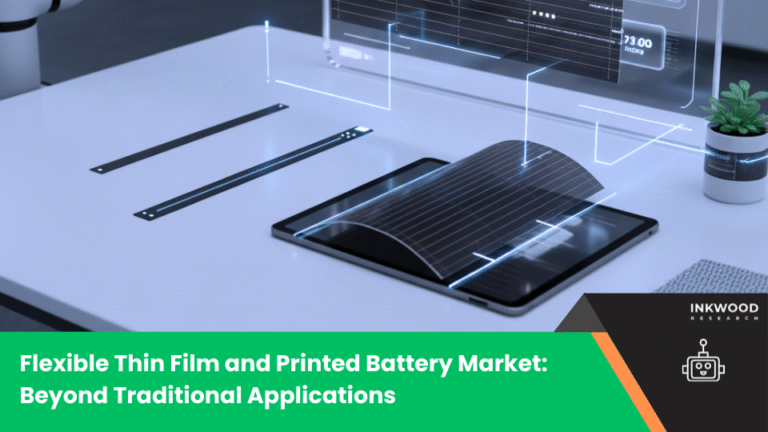
This analysis is brought to you by Inkwood Research, a leading market intelligence firm specializing in advanced energy storage technologies, flexible electronics innovation, and ultra-thin power solutions ecosystems. Our research team combines extensive experience analyzing polymer battery technologies, smart packaging applications, and medical device power systems across global markets. Based on our proprietary research methodologies and strategic partnerships with flexible battery manufacturers, electronics innovators, healthcare device developers, and printed electronics providers, we deliver actionable insights that empower strategic decision-making for enterprises navigating the flexible power revolution and miniaturized energy storage market expansion.
TLDR
Flexible thin film and printed battery technology revolutionizes power solutions across unexpected sectors. These ultra-thin, bendable energy sources transform applications from smart card batteries to disposable medical sensor batteries, enabling innovations impossible with conventional power supplies. The global flexible thin film and printed battery market reaches US$2112.28 million in 2025, projecting to US$7666.35 million by 2032 at a 20.22% CAGR. Advances in roll-to-roll battery manufacturing and solid-state thin film battery designs unlock possibilities in wearable device batteries, smart packaging, and healthcare monitoring systems.
Product designers developing flexible electronics battery solutions, healthcare technology innovators creating wearable battery technology, smart packaging engineers, IoT device manufacturers, and R&D professionals exploring next-generation battery technology applications will gain actionable insights. Additionally, investment analysts tracking the thin film battery market growth, procurement specialists sourcing miniaturized battery solutions, and electronics engineers designing low-profile battery systems for constrained spaces benefit from understanding emerging application trends and market dynamics.
Flexible Thin Film and Printed Battery Market: The Silent Revolution in Power Technology
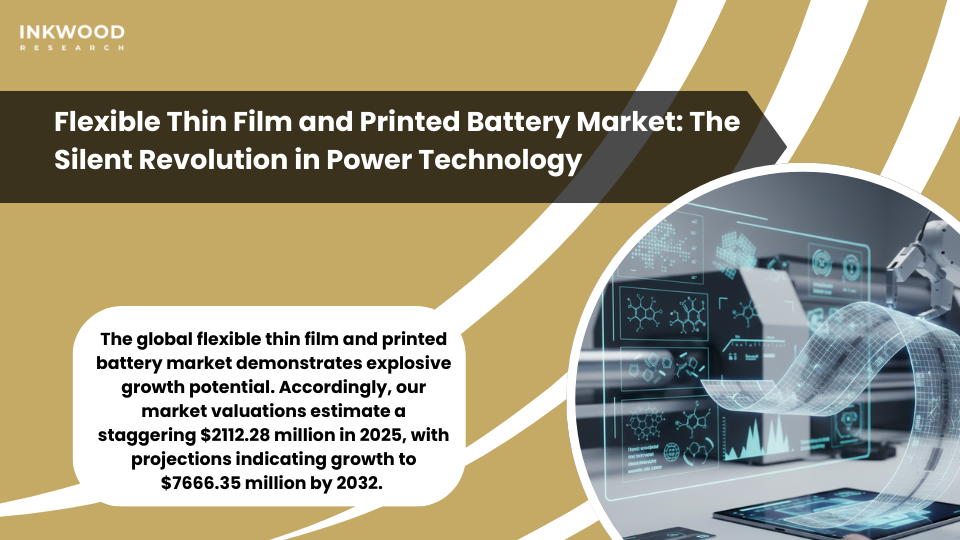
Imagine bending your credit card without damaging its power source, and picture wearing a diagnostic patch thinner than a Band-Aid that monitors your heart continuously. These scenarios aren’t science fiction anymore. Flexible thin film battery technology enables applications once deemed impossible, transforming how devices integrate power in space-constrained environments.
Traditional rigid batteries limited product design for decades. In fact, conventional cylindrical or prismatic formats couldn’t conform to curved surfaces or ultra-thin profiles. However, innovations in thin film battery technology changed everything.
The global flexible thin film and printed battery market demonstrates explosive growth potential. Accordingly, our market valuations estimate a staggering $2112.28 million in 2025, with projections indicating growth to $7666.35 million by 2032. This represents a substantial 20.22% CAGR throughout the forecast period. Further, several factors drive this expansion, including miniaturization demands, wearable technology proliferation, and healthcare digitization.
Market Dynamics Shaping Growth
Manufacturing innovations accelerate adoption across industries. For instance, companies like BrightVolt, Imprint Energy, and Blue Spark Technologies pioneer printed battery applications using cost-effective production methods. These processes deposit battery materials onto flexible substrates through printing techniques, dramatically reducing production costs compared to traditional battery manufacturing.
Furthermore, solid-state thin film battery designs eliminate liquid electrolytes, enhancing safety profiles significantly. Solid electrolyte materials prevent leakage risks while enabling thinner form factors. Moreover, research institutions worldwide invest heavily in improving energy density and cycle life performance.
Additionally, the Internet of Things expansion creates unprecedented demand for micro battery solutions. Connected devices require compact, efficient power sources that traditional batteries cannot provide. In all, flexible batteries fill this critical gap, enabling new device categories and applications.
Smart Cards: Powering Digital Security Innovation
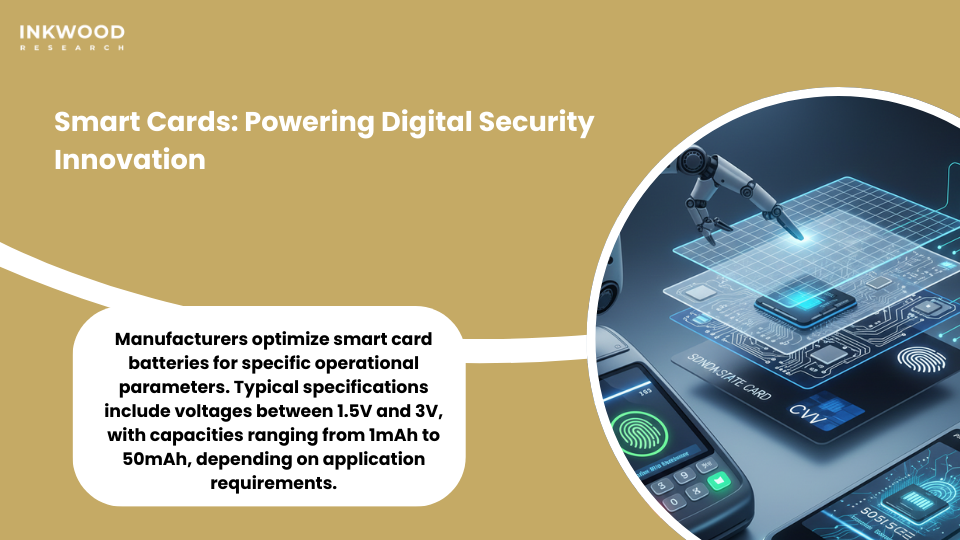
Smart card batteries represent one of the earliest commercial applications for flexible power technology. These ultra-thin power sources enable active authentication features in credit cards, access control systems, and identity verification devices. Unlike passive RFID systems, active smart cards incorporate processing capabilities requiring reliable power delivery.
Modern payment cards increasingly embed biometric sensors, dynamic CVV displays, and encrypted communication modules. These features demand continuous power availability. On the other hand, traditional coin cell batteries proved too thick for card standards, which specify maximum thicknesses around 0.76mm. Consequently, bendable batteries became essential enablers.
According to our analysis, the design flexibility of thin-film batteries allows smart cards to withstand harsh production conditions during lamination and embossing processes. These batteries endure mechanical stress without performance degradation, ensuring reliability throughout the card lifecycle.
Technical Specifications and Performance
Manufacturers optimize smart card batteries for specific operational parameters. Typical specifications include voltages between 1.5V and 3V, with capacities ranging from 1mAh to 50mAh, depending on application requirements. Further, discharge rates remain relatively low since smart card operations involve brief power bursts during transactions.
Moreover, shelf life considerations drive chemistry selection. Printed zinc-based batteries offer excellent storage characteristics, maintaining charge over extended periods. Moreover, companies like Imprint Energy developed the ZincPoly™ technology specifically for these applications, combining high energy density with manufacturing cost advantages.
On the other hand, temperature tolerance presents another critical factor. Cards must function reliably across environmental extremes, from frozen wallets to sun-heated vehicles. Advanced thin film battery technology, in this regard, delivers performance across temperature ranges exceeding conventional battery capabilities.
Integration Challenges and Solutions
Embedding batteries within card structures requires careful engineering. Designers must account for flexing stresses, humidity exposure, and electromagnetic interference from RFID antennas. Accordingly, successful integration demands collaboration between battery manufacturers, card producers, and chip suppliers.
Furthermore, regulatory compliance shapes design parameters. Payment industry standards dictate thickness limits, durability requirements, and safety specifications. Battery technologies must satisfy these stringent criteria while maintaining cost competitiveness for mass production.
Medical Patches Transform Healthcare Monitoring
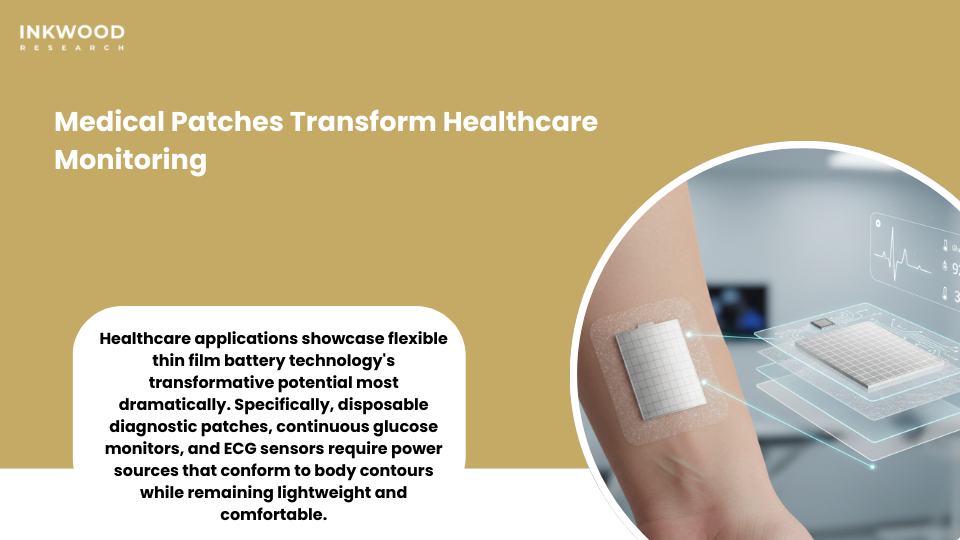
Healthcare applications showcase flexible thin film battery technology’s transformative potential most dramatically. Specifically, disposable diagnostic patches, continuous glucose monitors, and ECG sensors require power sources that conform to body contours while remaining lightweight and comfortable. Medical sensor batteries enable these revolutionary devices.
The skin patch market experiences rapid expansion. Research indicates that printed zinc batteries hold the highest potential for medical patches, though cost reductions remain necessary for broader adoption. Further, these patches monitor vital signs, deliver medication doses, or track patient compliance with treatment protocols.
BrightVolt manufactures thin, flexible batteries specifically designed for medical wearables. Their products integrate into smart bandages and diagnostic patches, providing reliable power while maintaining patient comfort. Aligning with this, Imprint Energy unveiled the ZT battery, featuring lightweight construction and a low-profile design optimized for medical and wearable applications.
Regulatory and Safety Considerations
Medical device applications demand rigorous safety validation. In this regard, batteries must demonstrate biocompatibility, preventing skin irritation or allergic reactions during extended wear periods. Manufacturers conduct extensive testing protocols to ensure materials meet FDA and international medical device standards.
Additionally, wearable device batteries for healthcare must incorporate fail-safe mechanisms. Overcharge protection, short-circuit prevention, and temperature monitoring systems prevent potential hazards. Solid-state designs inherently reduce fire risks compared to liquid electrolyte batteries.
Sterilization compatibility presents unique challenges. For example, some medical applications require battery exposure to gamma radiation, ethylene oxide gas, or autoclave sterilization. Battery chemistries and packaging materials must withstand these processes without degradation.
Clinical Applications and Patient Benefits
- Continuous glucose monitoring revolutionizes diabetes management. Patients benefit from real-time blood sugar tracking without frequent finger-stick tests. Accordingly, flexible thin film batteries power these monitors for 10-14-day wear periods, dramatically improving quality of life.
- Moreover, cardiac monitoring patches detect arrhythmias and other heart conditions through extended observation periods. Traditional Holter monitors required bulky external recorders. Conversely, current-generation patches integrate everything into adhesive-backed devices no larger than bandages.
- Temperature monitoring patches gained prominence during recent health challenges. These devices track body temperature continuously, alerting caregivers to fever development. Furthermore, hospitals deploy these systems for post-surgical monitoring and infectious disease surveillance.
Smart Packaging: The Future of Consumer Engagement
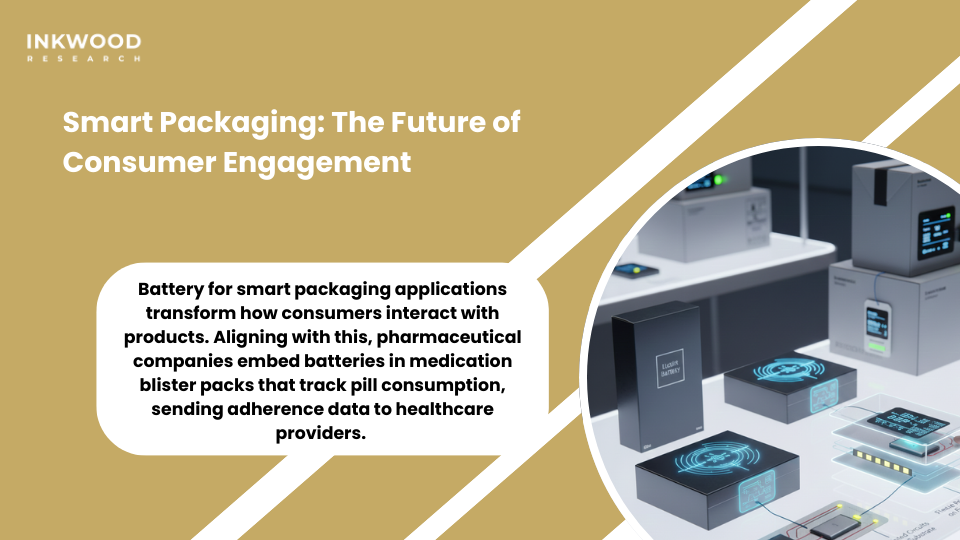
Battery for smart packaging applications transform how consumers interact with products. Aligning with this, pharmaceutical companies embed batteries in medication blister packs that track pill consumption, sending adherence data to healthcare providers. Food manufacturers incorporate batteries into temperature-sensitive shipment containers, ensuring cold chain integrity.
The smart packaging sector represents a substantial growth opportunity. According to industry forecasts, printed battery markets demonstrate a significant CAGR through 2032, with smart packaging driving significant adoption. These applications require disposable, cost-effective power sources that printed battery applications deliver efficiently.
Enfucell Printed Electronics leads innovation in this space. Their SoftBattery® technology powers interactive labels, promotional materials, and product authentication systems. Moreover, manufacturing processes use screen-printing techniques, enabling high-volume production at compelling price points.
Consumer Engagement Features
Interactive packaging captivates consumers through novel experiences. For example, greeting cards incorporate printed batteries powering LED displays, musical chips, or animated graphics. On the other hand, luxury goods brands use battery-powered labels for authentication, combating counterfeit products through encrypted verification.
Furthermore, promotional campaigns leverage battery-enabled packaging for memorable brand interactions. Beverage companies create illuminated labels that activate when bottles chill to ideal serving temperatures. Cosmetics brands, on the other hand, integrate batteries into mirrors displaying product information.
Shelf-life indicators represent practical applications gaining traction, and these systems monitor temperature history, alerting consumers if perishable products have experienced temperature abuse. As a result, retailers reduce waste while ensuring customer safety.
Supply Chain and Logistics Applications
Cold chain monitoring protects pharmaceutical products and fresh foods during transportation. Accordingly, battery-powered sensors track temperature, humidity, and shock events throughout distribution networks. These systems provide end-to-end visibility, identifying breaks in proper storage conditions.
Additionally, pharmaceutical serialization requirements drive authentication tag adoption. Batteries enable active RFID systems to transmit unique identifiers, preventing counterfeit drugs from entering supply chains. Consequently, regulatory agencies increasingly mandate such tracking for controlled substances.
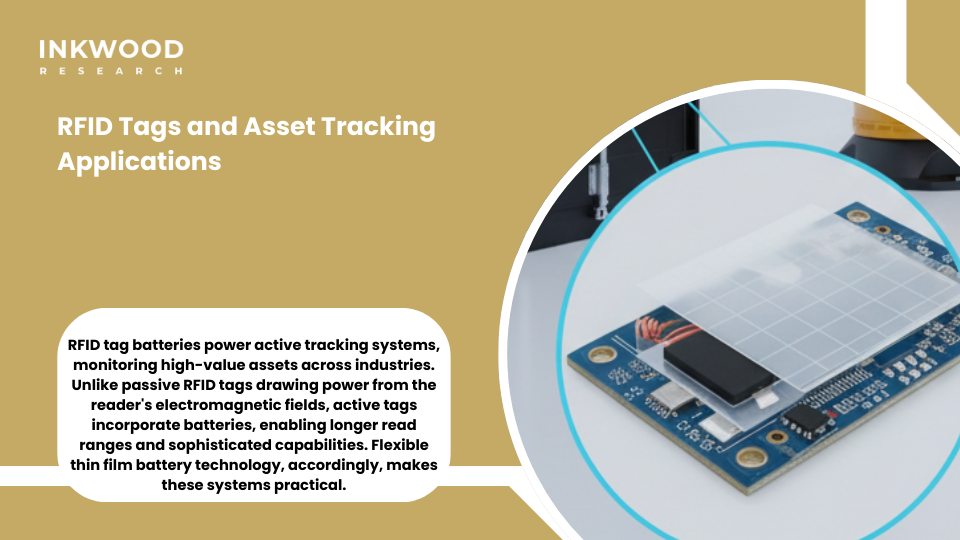
RFID tag batteries power active tracking systems, monitoring high-value assets across industries. Unlike passive RFID tags drawing power from the reader’s electromagnetic fields, active tags incorporate batteries, enabling longer read ranges and sophisticated capabilities. Flexible thin film battery technology, accordingly, makes these systems practical.
Logistics companies deploy active RFID for container tracking and fleet management. These tags transmit location data, temperature readings, and security status continuously. Battery life spans multiple years, providing reliable tracking throughout asset lifecycles. According to research findings, coin cells dominate unless applications require laminar or flexible designs, such as vehicle license plates.
Automotive manufacturers integrate flexible batteries into smart license plates, combining registration data, toll payment systems, and vehicle identification. Plus, these plates conform to standard mounting surfaces while incorporating electronics traditionally requiring external power sources.
Industrial and Manufacturing Uses
Manufacturing facilities utilize battery-powered sensors throughout production environments. These systems monitor equipment vibration, temperature variations, and operational parameters, predicting maintenance needs. Also, predictive maintenance programs reduce downtime significantly while extending equipment lifespans.
Moreover, tool tracking systems prevent loss and improve inventory management. Construction sites employ active RFID tags on expensive equipment and tools, reducing theft while optimizing resource allocation. On the other hand, batteries power these tags for years without replacement.
Healthcare facilities track medical equipment, medications, and even patients using active RFID systems. Meanwhile, hospitals reduce equipment search time while ensuring critical devices remain accessible during emergencies. Battery-powered tags enable real-time location services throughout sprawling medical campuses.
Security and Access Control
Building access systems increasingly incorporate battery-powered credentials. Moreover, these active badges provide enhanced security through encrypted communication and anti-tampering features. Meanwhile, bendable batteries enable credential designs conforming to existing badge formats without thickness increases.
Furthermore, secure facility applications require long battery life supporting years of authentication events. Consequently, modern battery technologies deliver extended operational lifespans while maintaining small form factors. For instance, companies like BrightVolt optimize batteries specifically for access control applications.
Cosmetic Patches and Beauty Tech Integration

Beauty technology represents an emerging frontier for wearable device batteries. Specifically, cosmetic patches incorporating batteries deliver active ingredients through controlled iontophoresis, enhancing skin absorption. Thus, these patches represent convergence between healthcare technology and consumer beauty products.
Additionally, LED therapy masks require flexible power sources conforming to facial contours. Therefore, flexible thin film batteries enable comfortable, lightweight designs, replacing bulky external battery packs. As a result, users enjoy spa-quality treatments at home without cumbersome equipment.
According to market studies, flexible batteries find application in cosmetic patches tracking user skin, muscle activities, and controlling active ingredient delivery. Hence, these sophisticated systems require reliable, body-safe power sources that traditional batteries cannot provide.
Anti-Aging and Therapeutic Applications
Micro-current facial devices stimulate collagen production through gentle electrical currents. Moreover, battery-powered patches deliver these treatments overnight, maximizing convenience. Consequently, users apply patches before sleep, receiving therapeutic benefits without active participation.
Additionally, temperature-controlled patches address puffy eyes and inflammation. Specifically, these devices alternate between cooling and warming cycles, improving circulation and reducing swelling. Therefore, precise temperature control requires sophisticated battery management systems.
Furthermore, skincare adherence monitoring systems track treatment regimen compliance. For example, smart patches sense application, recording usage patterns through smartphone apps. Thus, this data helps dermatologists optimize treatment protocols based on patient behavior.
Market Growth and Innovation
Beauty technology investments accelerate globally. Moreover, major cosmetics brands partner with electronics companies to develop next-generation devices. Consequently, these collaborations combine formulation expertise with engineering innovation, creating products impossible just years ago.
Furthermore, consumer demand for personalized skincare drives technology adoption. Specifically, smart patches analyze skin conditions, adjusting treatment parameters automatically. As a result, machine learning algorithms optimize delivery based on individual responses, maximizing effectiveness.
Key Takeaways
- Market Growth: The global flexible thin film and printed battery market expands from US$2112.28 million in 2025 to US$7666.35 million by 2032, demonstrating a robust 20.22% CAGR driven by diverse applications.
- Healthcare Innovation: Medical sensor batteries enable revolutionary diagnostic patches, continuous monitoring systems, and therapeutic devices, improving patient outcomes while reducing healthcare costs.
- Smart Card Evolution: Bendable batteries transform payment cards and access credentials, enabling biometric authentication, dynamic security features, and enhanced user experiences.
- Packaging Intelligence: Printed battery applications revolutionize smart packaging across industries, from pharmaceutical compliance tracking to cold chain monitoring and consumer engagement.
- IoT Expansion: Micro battery solutions power millions of connected devices, enabling the Internet of Things through reliable, compact, and cost-effective flexible power sources.
- Manufacturing Advances: Roll-to-roll battery manufacturing processes reduce production costs significantly, accelerating adoption across price-sensitive applications like disposable medical devices and consumer packaging.
- Safety Improvements: Solid-state thin film battery designs eliminate fire risks associated with liquid electrolytes, enabling safer operation in medical applications and consumer products.
- Design Freedom: Wearable device batteries conform to complex geometries impossible with conventional batteries, unlocking innovative product designs across industries from healthcare to consumer electronics.
Conclusion
Flexible thin film battery technology transforms industries through unexpected applications spanning healthcare, security, packaging, and consumer products. The journey from rigid conventional batteries to ultra-thin, conformable power sources represents a paradigm shift in product design possibilities. Innovations continue accelerating as manufacturers refine chemistries, improve energy densities, and reduce production costs.
Based on our analysis, market growth trajectories indicate sustained expansion throughout the coming decade. Healthcare applications drive significant adoption as aging populations require continuous monitoring solutions. Meanwhile, IoT proliferation creates insatiable demand for compact, efficient power sources. Smart packaging evolution promises to revolutionize consumer engagement and supply chain transparency.
Companies investing in the thin film battery market growth position themselves advantageously within rapidly expanding ecosystems. Strategic partnerships between battery manufacturers, device developers, and end-users accelerate innovation cycles. Collaborative approaches overcome technical challenges while identifying novel applications.
Ready to explore how flexible thin film and printed battery solutions can transform your products? Contact Inkwood Research for comprehensive market intelligence and strategic guidance, navigating this dynamic technology landscape.
Frequently Asked Questions (FAQs)
Battery lifespan varies significantly based on application and chemistry. Smart card batteries often function for 3-5 years with typical usage patterns. Medical sensor batteries in disposable patches last 7-14 days of continuous operation. Rechargeable flexible batteries support hundreds to thousands of charge cycles depending on the depth of discharge and operating conditions.
Yes, when properly designed and validated. Solid-state thin film battery technologies eliminate liquid electrolyte leakage risks. Manufacturers conduct extensive biocompatibility testing, ensuring materials meet FDA and international medical device standards. Protective packaging prevents direct skin contact with active battery components while maintaining flexibility and comfort.
Roll-to-roll battery manufacturing processes enable high-volume production using existing printing infrastructure. These methods deposit battery materials onto flexible substrates using screen-printing or inkjet techniques similar to newspaper printing. Manufacturing costs decrease dramatically compared to traditional battery assembly, making single-use applications economically viable at scale.