Table of Contents
TLDR
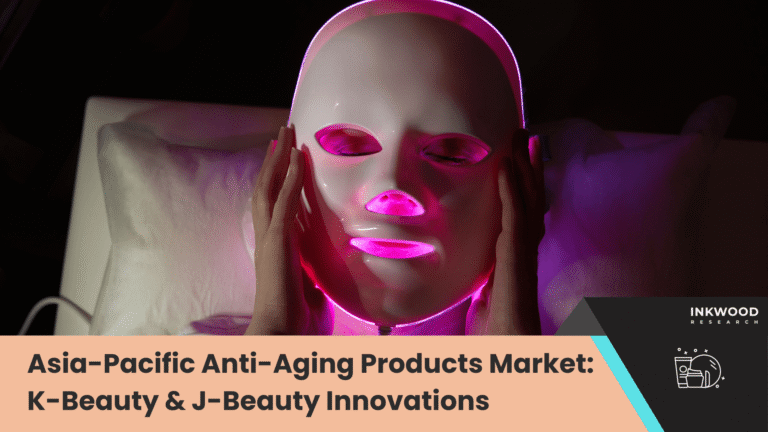
The Asia-Pacific anti-aging products market, valued at $18.9 billion in 2025, showcases remarkable innovation through K-Beauty and J-Beauty innovations. Korean and Japanese beauty brands revolutionize anti-aging skincare with fermented botanicals, advanced delivery systems, and precision-engineered formulations. APAC beauty market growth accelerates through Korean anti-aging serums featuring hyaluronic acid and Japanese precision technologies. Skincare innovations APAC demonstrate how K-Beauty vs J-Beauty skincare approaches create diverse anti-aging solutions targeting youthful skin preservation.
Beauty industry professionals, skincare enthusiasts, cosmetics brand managers, and investors exploring APAC beauty trends will benefit from these insights. Additionally, product development teams, distributors seeking Korean and Japanese beauty innovations, and consumers interested in the best Asian anti-aging skincare solutions will discover valuable market intelligence and product innovation strategies.
K-Beauty Revolution: Korean Innovation Leading Anti-Aging Excellence
Revolutionary Fermentation Technologies
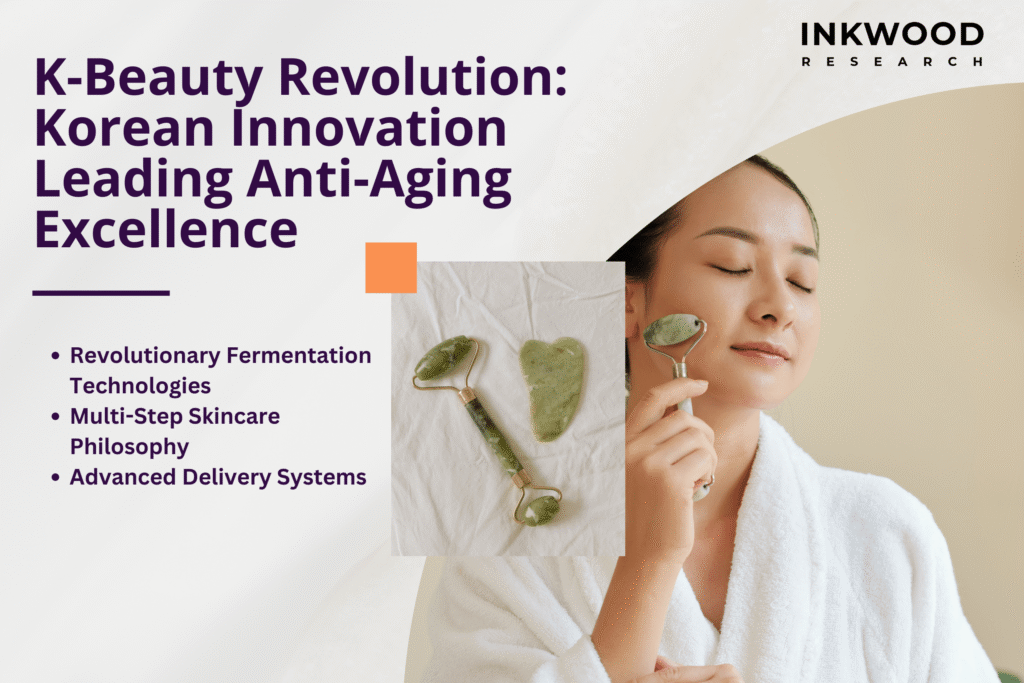
Korean beauty brands transform traditional fermentation techniques into cutting-edge anti-aging solutions. Furthermore, companies like SK-II and Missha leverage galactomyces ferment filtrate to enhance skin luminosity. These K-Beauty anti-aging innovations demonstrate how Korean and Japanese beauty innovations merge ancestral wisdom with modern science.
Traditional Korean fermentation processes create powerful anti-aging compounds. Moreover, brands utilize fermented rice water, ginseng extracts, and botanical ingredients. Subsequently, these formulations deliver enhanced bioavailability and skin penetration. Therefore, youthful skin with K-Beauty becomes achievable through scientifically-proven methodologies.
Multi-Step Skincare Philosophy
Korean skincare routines emphasize preventive anti-aging through comprehensive daily regimens. Additionally, the famous 10-step routine incorporates multiple product categories targeting different aging concerns. APAC anti-aging skincare trends increasingly adopt this layered approach for optimal results.
Meanwhile, K-Beauty anti-aging serums feature innovative ingredient combinations. Brands like The Ordinary and Beauty of Joseon create targeted solutions for specific aging concerns. Consequently, consumers achieve customized anti-aging benefits through strategic product layering. These skincare industry innovations in APAC demonstrate a sophisticated understanding of skin physiology.
Advanced Delivery Systems
Korean brands pioneer innovative delivery mechanisms for anti-aging ingredients. Nevertheless, encapsulation technologies protect sensitive compounds during application. Similarly, micro-needle patches deliver active ingredients directly into deeper skin layers.
Companies develop advanced formulation techniques, including liposomal delivery systems. Furthermore, nano-encapsulation ensures stable ingredient delivery. As a result, K-Beauty anti-aging products achieve superior efficacy compared to traditional formulations. These innovations position Korea as a global leader in anti-aging technology.
J-Beauty Precision: Japanese Scientific Approach to Skincare
Scientific Rigor and Research Excellence
Japanese beauty philosophy emphasizes precision, quality, and scientific validation. Moreover, brands like Shiseido invest heavily in dermatological research. According to our analysis of APAC beauty trends, J-Beauty skincare prioritizes proven efficacy over trending ingredients.
Japanese companies conduct extensive clinical testing before product launches. Additionally, they collaborate with research institutions to validate anti-aging claims. Subsequently, consumers trust J-Beauty products for reliable, measurable results. This scientific approach distinguishes Japanese brands in the competitive Asian anti-aging products market.
Minimalist Formulation Philosophy
J-Beauty advocates for streamlined routines featuring highly concentrated products. Furthermore, Japanese brands focus on ingredient purity and formulation efficiency. Therefore, fewer products achieve superior anti-aging results through sophisticated formulations.
Brands like Hada Labo and ILEM JAPAN emphasize hyaluronic acid innovations. Meanwhile, Biore develops advanced UV protection technologies essential for aging prevention. Consequently, J-Beauty and K-Beauty comparison reveals distinct philosophical approaches to anti-aging skincare.
Precision Manufacturing and Quality Control
Japanese manufacturing standards ensure consistent product quality across all batches. Additionally, companies implement rigorous quality assurance protocols throughout production. These standards contribute to J-Beauty’s reputation for reliability and effectiveness.
Advanced manufacturing technologies enable precise ingredient measurements and optimal formulation stability. Furthermore, Japanese brands prioritize sustainable production methods. As a result, consumers associate J-Beauty with premium quality and environmental responsibility.
Comparative Analysis: K-Beauty vs J-Beauty Philosophies
Innovation Approaches and Product Development
K-Beauty emphasizes trendsetting ingredients and creative formulation concepts. Conversely, J-Beauty prioritizes scientific validation and long-term efficacy. Nevertheless, both approaches contribute valuable innovations to the anti-aging products market.
Korean brands rapidly introduce novel ingredients and unique product formats. Meanwhile, Japanese companies focus on perfecting existing technologies and ingredients. Subsequently, these complementary approaches drive overall APAC beauty market growth through diverse innovation strategies.
Marketing and Consumer Engagement
Korean beauty brands excel in social media marketing and influencer partnerships. Additionally, they create engaging product packaging and brand storytelling. Therefore, K-Beauty achieves significant global market penetration through strategic digital marketing.
Japanese brands emphasize educational marketing and scientific communication. Furthermore, they build consumer trust through transparent ingredient information. Consequently, both marketing approaches effectively reach different consumer segments within the Asian anti-aging products market.
Price Positioning and Market Accessibility
K-Beauty offers diverse price points from affordable to premium segments. Moreover, Korean brands achieve economies of scale through global distribution. This accessibility contributes to the widespread adoption of Korean anti-aging serums and treatments.
J-Beauty typically positions products in premium market segments. Additionally, Japanese brands justify higher prices through superior quality and research investment. Therefore, consumers view J-Beauty as a premium investment purchase for long-term anti-aging benefits.
Market Growth Drivers in APAC Anti-Aging Segment
Demographic Shifts and Aging Populations
According to Inkwood Research, the Asia-Pacific anti-aging products market is expected to reach $29.5 billion by 2032, growing at a 6.57% CAGR. Furthermore, aging populations in Japan and South Korea drive premium anti-aging product demand. These demographic trends support sustained market expansion across developed APAC economies.
Emerging markets like India and Indonesia present significant growth opportunities. Additionally, younger populations increasingly adopt preventive anti-aging routines. Subsequently, the best Asian anti-aging skincare brands expand distribution to capture these growing markets.
Rising Disposable Incomes and Premium Spending
Economic development across emerging Asian economies enables greater beauty spending. Moreover, urban consumers prioritize skincare investments for professional advancement. Therefore, APAC beauty market growth accelerates through increased premium product adoption.
Middle-class expansion creates substantial market opportunities for anti-aging brands. Furthermore, consumers demonstrate a willingness to invest in proven anti-aging solutions. Consequently, both Korean and Japanese beauty innovations benefit from these favorable economic trends.
Digital Commerce and Social Media Influence
E-commerce platforms revolutionize beauty product distribution across the Asia-Pacific. Additionally, social media influencers drive awareness of innovative anti-aging treatments. Therefore, digital marketing becomes essential for success in APAC anti-aging skincare trends.
Live-streaming shopping formats create interactive consumer experiences. Meanwhile, AI-powered product recommendations enhance personalized shopping. Subsequently, technology integration supports market growth through improved consumer engagement and accessibility.
Ingredient Innovation and Technology Integration
Advanced Anti-Aging Compounds
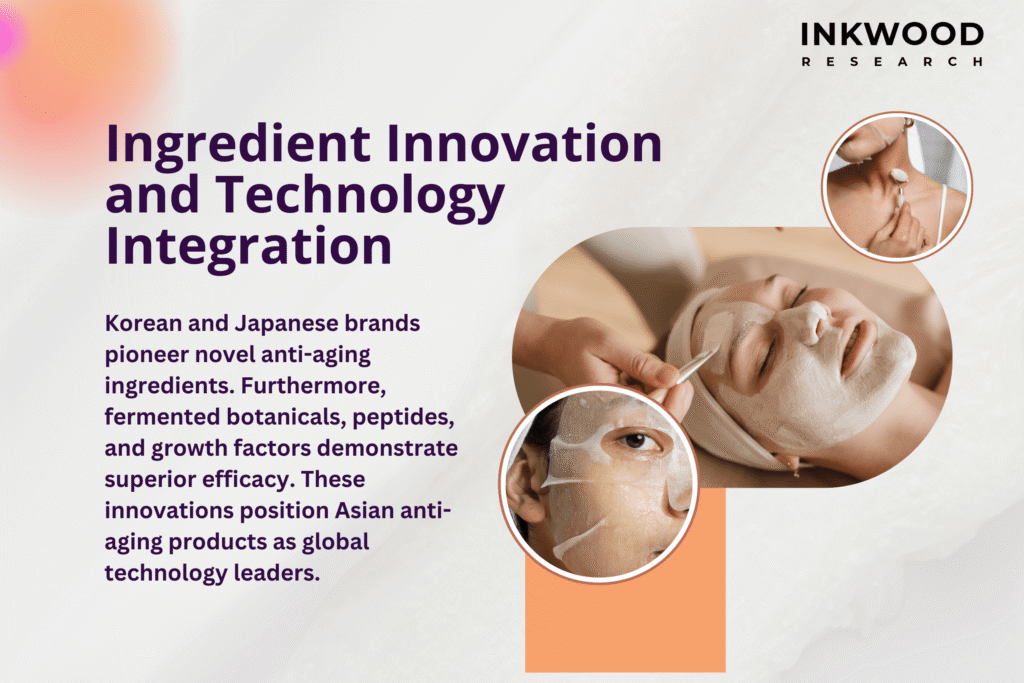
Korean and Japanese brands pioneer novel anti-aging ingredients. Furthermore, fermented botanicals, peptides, and growth factors demonstrate superior efficacy. These innovations position Asian anti-aging products as global technology leaders.
Brands develop proprietary ingredient combinations for competitive differentiation. Additionally, they invest in sustainable sourcing for botanical actives. Therefore, ingredient innovation drives market growth while supporting environmental responsibility.
Smart Technology Integration
AI-powered skin analysis tools enhance personalized product recommendations. Moreover, IoT devices monitor skin conditions for optimized treatment protocols. These technological advances represent the future of skincare innovations in APAC.
Mobile applications provide customized skincare routines based on individual needs. Furthermore, virtual consultations connect consumers with skincare experts. Subsequently, technology integration improves treatment outcomes and consumer satisfaction.
Sustainable Formulation Practices
Environmental consciousness influences anti-aging product development across the Asia-Pacific. Additionally, brands adopt clean beauty principles and sustainable packaging. Therefore, eco-friendly innovations appeal to environmentally aware consumers.
Waterless formulations reduce environmental impact while concentrating active ingredients. Meanwhile, refillable packaging systems minimize waste generation. Consequently, sustainability becomes a competitive advantage in the evolving anti-aging market.
Consumer Preferences Shaping Asian Beauty Markets
Quality and Efficacy Priorities
Asian consumers prioritize proven results over marketing claims. Furthermore, they research ingredients and seek scientific validation. Therefore, brands must demonstrate genuine anti-aging benefits through clinical studies and consumer testimonials.
Transparency in ingredient sourcing and manufacturing processes builds consumer trust. Additionally, education about product benefits enhances purchasing decisions. Subsequently, informed consumers drive demand for high-quality anti-aging solutions.
Customization and Personalization
Individual skin concerns require targeted treatment approaches. Moreover, consumers seek personalized recommendations based on specific aging signs. Therefore, brands develop diverse product lines addressing varied anti-aging needs.
Custom formulation services enable precise ingredient combinations. Furthermore, diagnostic tools identify optimal treatment protocols. Consequently, personalization becomes a key differentiator in competitive markets.
Cultural Values and Beauty Standards
Traditional beauty concepts influence modern anti-aging preferences. Additionally, cultural emphasis on youthful appearance drives market demand. Therefore, brands must understand regional beauty ideals for successful market penetration.
Holistic wellness approaches integrate skincare with overall health practices. Meanwhile, preventive care concepts encourage early anti-aging intervention. Subsequently, cultural values shape product development and marketing strategies.
Key Takeaways | Future Outlook for Asian Anti-Aging Products
Emerging Technology Integration
- Biotechnology advances enable revolutionary anti-aging solutions. Furthermore, gene therapy and stem cell research promise breakthrough treatments. These innovations will transform the anti-aging landscape across Asia-Pacific markets.
- Nanotechnology improves ingredient delivery and efficacy. Additionally, 3D bioprinting creates personalized skin treatments. Therefore, technological advancement continues to drive market evolution and growth opportunities.
Sustainable Development Focus
- Environmental responsibility becomes increasingly important for consumer purchasing decisions. Moreover, brands must balance efficacy with sustainable practices. Subsequently, eco-innovation drives competitive advantage in evolving markets.
- Circular economy principles influence packaging and production processes. Furthermore, renewable ingredient sources support sustainable growth. Consequently, sustainability integration becomes essential for long-term market success.
Global Market Expansion
- Asian anti-aging innovations gain international recognition and adoption. Additionally, K-Beauty and J-Beauty influence global beauty standards. Therefore, APAC brands expand international distribution for accelerated growth.
- Cross-cultural beauty exchanges create hybrid innovation approaches. Meanwhile, international partnerships enable knowledge sharing and market access. Subsequently, globalization amplifies the impact of Asian anti-aging innovations.
The future of youthful skin with K-Beauty and J-Beauty skincare lies in continued innovation, sustainability focus, and consumer-centric development. Through a strategic combination of traditional wisdom and modern technology, Asian anti-aging products will continue leading global market transformation.
Ready to explore premium Asian anti-aging solutions for your business?
Contact Inkwood Research for comprehensive market intelligence and strategic insights that drive successful product development and market entry strategies in the dynamic Asia-Pacific beauty industry.
Frequently Asked Questions (FAQs)
K-Beauty emphasizes multi-step routines with innovative ingredients like fermented botanicals and trendy formulations. Meanwhile, J-Beauty focuses on minimalist, science-backed products with proven efficacy and precision manufacturing. Korean brands prioritize accessibility and social media appeal, while Japanese brands target premium quality and long-term results.
According to Inkwood Research, China represents the largest market opportunity, followed by Japan and South Korea. China’s massive population and rising disposable incomes drive demand, while Japan’s super-aged society creates sustained premium product demand. South Korea leverages K-beauty’s global influence for both domestic and export growth.
Yes, many Asian anti-aging innovations work effectively across different ethnicities. However, formulations often require adjustment for varying skin concerns and environmental conditions. Ingredients like hyaluronic acid, peptides, and fermented extracts demonstrate universal benefits, while concentration levels may need customization for different markets.