
1. Direct Air Capture (DAC)
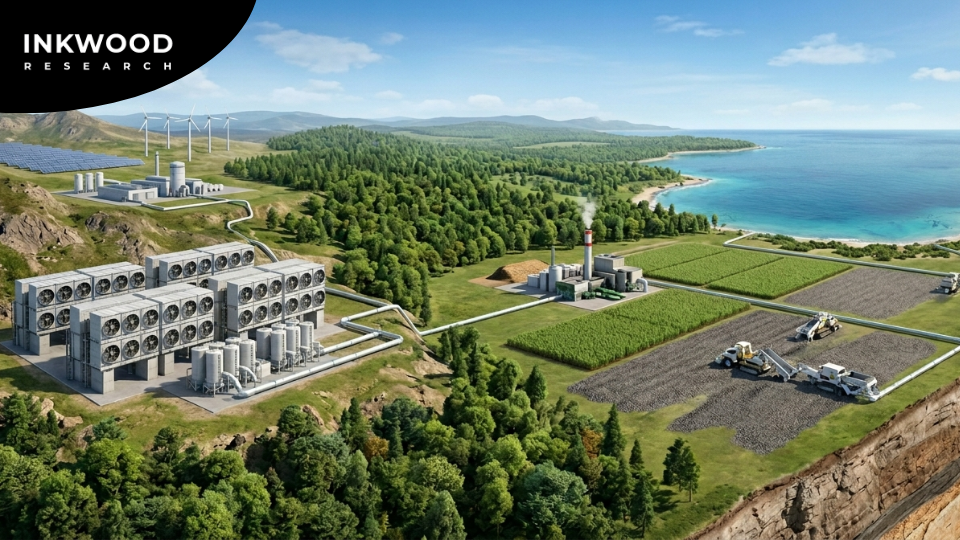
Direct air capture technology involves extracting CO₂ directly from the atmosphere using large-scale machinery. Companies like Climeworks and Carbon Engineering (now part of Occidental Petroleum) are leading the DAC space, deploying systems that capture CO₂ and either sequester it underground or utilize it for commercial products like fuels and building materials.
The DAC market reached a defining milestone in 2024, when Climeworks inaugurated Mammoth, recognized as the world’s largest direct air capture facility at the time, located in Hellisheiði, Iceland. The plant features a nameplate capacity of up to 36,000 tonnes of CO₂ per year.
Additionally, 1PointFive’s Stratos facility, the first large-scale commercial DAC project in the United States, is progressing through start-up activities, with initial operations targeted for the second quarter of 2026. Once fully ramped to its design capacity of up to 500,000 tonnes of CO₂ per year, the project will mark a significant step toward megatonne-scale DACCS deployment. There are now well over 100 companies active in the global DACCS space.
Pros:
- Scalability: DAC systems can be scaled to match carbon capture needs, offering flexibility for varying CO₂ removal requirements.
- Versatility: Captured CO₂ can be permanently stored underground or repurposed, opening avenues for potential revenue streams.
- High Carbon Removal Potential: DAC can capture millions of tonnes of CO₂ annually, particularly when powered by renewable energy sources.
Cons:
- Energy Intensive: DAC requires significant energy input. Climeworks’ Iceland facilities rely on geothermal energy to operate sustainably.
- High Costs: DAC currently remains one of the more expensive CDR options, with DACCS costs ranging from approximately US$15 to US$400 per tonne of CO₂, according to Norton Rose Fulbright’s 2025 CDR market analysis.
Corporate Commitments & Latest Developments
Microsoft continues to anchor the corporate DAC demand landscape through its commitment to become carbon-negative by 2030. Furthermore, in 2025, Microsoft locked in landmark CDR agreements, including a deal with Rubicon Carbon (18 million tCO₂ via afforestation and reforestation) and Chestnut Carbon (7 million tCO₂), underscoring the scale of corporate carbon removal commitments now shaping the CDR market.
For high-emission industries like cement manufacturing and oil and gas, DAC provides a scalable pathway to offset unavoidable emissions. Occidental Petroleum, through its acquisition of Carbon Engineering in August 2023, is advancing DAC integration into its core operations, targeting net-zero oil production by 2040.
2. Biochar Production
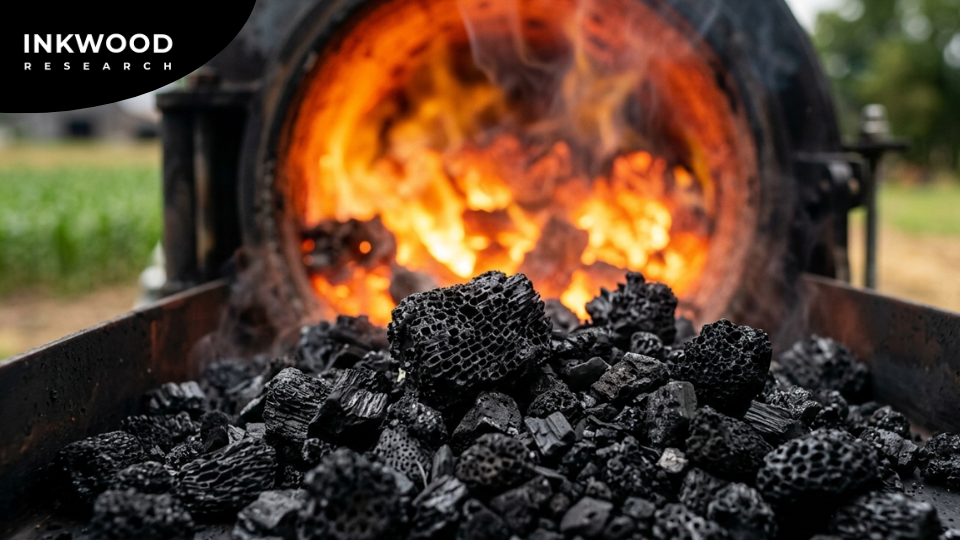
Biochar is a carbon-rich material produced by heating organic biomass, such as crop residues and forestry waste, in a low-oxygen environment. This process, known as pyrolysis, locks carbon into a stable form that, when added to soil, sequesters CO₂ while improving soil health.
Biochar has emerged as the dominant delivery mechanism within the voluntary CDR credit market. According to CDR.fyi data, 1.6 million tonnes of biochar CDR were sold in the first half of 2025 alone, representing approximately two-thirds of all removal credits delivered in Q2 2025, per Norton Rose Fulbright’s CDR market update.
Pros:
- Enhances Soil Health: Biochar improves water retention, nutrient availability, and overall soil fertility, highly beneficial for agricultural sectors.
- Lower Carbon Sequestration Cost: Biochar production is relatively cost-competitive, averaging approximately US$30 to US$120 per tonne of CO₂.
- Co-Benefits for Agriculture: Farmers and agricultural businesses can enhance crop yields while sequestering carbon simultaneously.
Cons:
- Limited Scale: Biochar’s impact is geographically constrained, requiring land for both biomass sourcing and application.
- Dependence on Biomass Availability: Feedstock availability can be limited in certain regions or industries, creating supply chain vulnerabilities.
Latest Developments
The most consequential biochar deal of 2025 came when Microsoft signed an agreement to purchase 1.24 million tonnes of biochar carbon removal credits to be delivered by Exomad Green over a 10-year period. Furthermore, Exomad Green has launched construction of what is projected to become the largest biochar production facility in the world, currently underway in Bolivia’s Guarayos Region.
Additionally, Cool Planet continues partnering with farmers to deliver biochar as a soil amendment across the United States, with documented improvements in crop yields. In Kenya, a biochar initiative helped small-scale farmers increase yields by up to 20%, demonstrating the atmospheric carbon removal solution’s impact in sustainable agriculture contexts.
3. Mineralization (Enhanced Weathering)
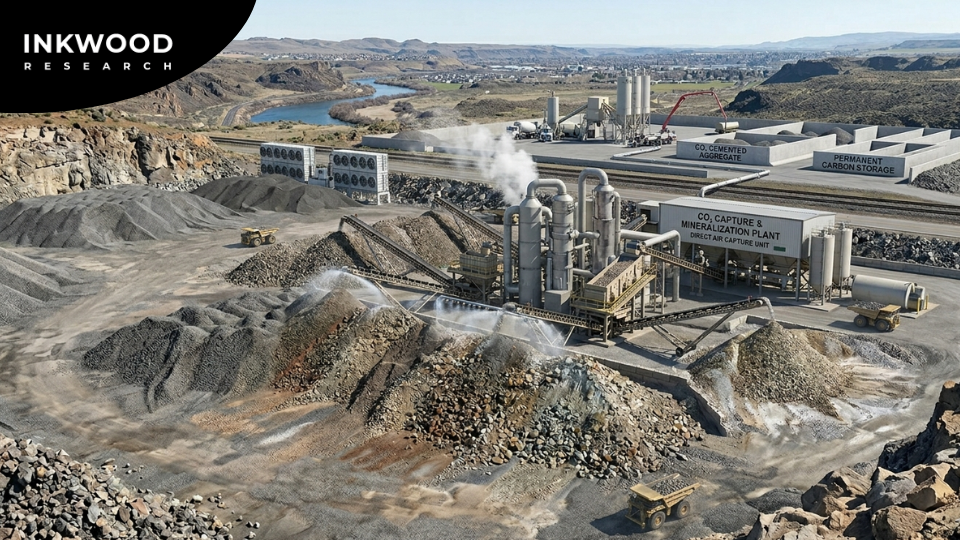
Mineralization, or enhanced weathering, involves reacting CO₂ with specific minerals, such as basalt or olivine, to form stable carbonates. This process naturally occurs over geological timescales, but companies like CarbonCure, Heirloom, and Cella Mineral Storage have developed methods to accelerate mineralization for rapid carbon capture.
Pros:
- High Durability: Once CO₂ is mineralized, it is permanently stored as rock, making it one of the most secure forms of carbon storage.
- No Long-Term Maintenance: Unlike other CDR methods, mineralized carbon requires no ongoing monitoring after sequestration.
- Potential for Carbon-Intensive Industries: Mineralization can be embedded directly into construction materials, enabling industries to integrate carbon removal solutions into existing processes.
Cons:
- Geographical Limitations: Mineralization requires specific minerals and geological conditions, limiting viability in regions without suitable rock formations.
- Slower Commercial Adoption: While carbon mineralization market momentum is building, it remains less adopted commercially than DAC or biochar at this stage.
Real-World Application
CarbonCure Technologies supplies concrete producers with the ability to inject CO₂ into concrete during mixing, creating a dual benefit: permanent carbon sequestration and measurably improved concrete compressive strength. This makes CarbonCure’s approach particularly compelling for construction and urban infrastructure sectors seeking verified CDR pathways.
Meanwhile, newer entrants like Cella Mineral Storage are advancing subsurface mineral carbonation, further diversifying the engineered carbon removal solutions market landscape.
4. Afforestation and Reforestation
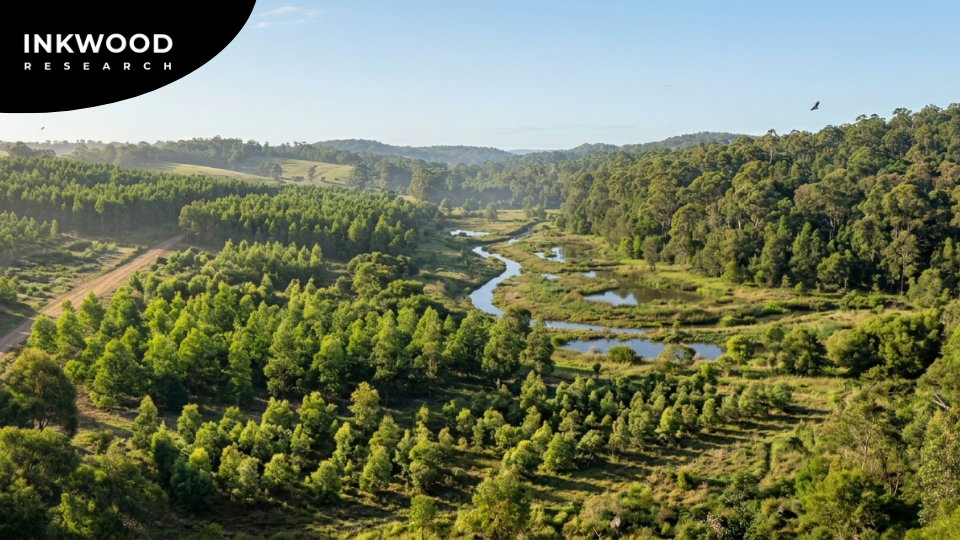
Afforestation (creating new forests) and reforestation (replanting degraded forests) remain the most cost-accessible CDR approaches. Large-scale initiatives such as the Trillion Trees Initiative highlight the capacity of forests to sequester significant volumes of CO₂ across diverse geographies.
Pros:
- Low Cost: Generally the most affordable CDR pathway, averaging US$1 to US$50 per tonne of CO₂.
- Ecosystem Benefits: Forests deliver biodiversity preservation, water cycle regulation, and erosion control alongside carbon sequestration.
- Community Impact: Afforestation projects create employment and support local economic development.
Cons:
- Variable Durability: Forests are susceptible to fires, pests, and land-use changes, which can compromise long-term carbon storage integrity.
- Slow Process: Newly planted trees require decades to mature and deliver meaningful carbon sequestration outcomes.
- Land Use Complications: Afforestation competes with land needed for agriculture and urban development, particularly in densely populated regions.
Corporate Engagement
Apple In. continues investing in nature-based carbon removal through its Restore Fund, which targets forest restoration and protection across Brazil and Paraguay. Initial investments focus on restoring 150,000 acres of sustainably certified working forests and protecting an additional 100,000 acres of native ecosystems, with projected annual removal of 1 million metric tonnes of CO₂.
However, demand for nature-based CDR credits in voluntary markets has softened in recent years, as noted by IDTechEx’s 2025 analysis. Several high-profile integrity scandals have shifted corporate buyers increasingly toward higher-durability engineered solutions like DACCS and BECCS, which offer more credible and verifiable carbon accounting.
BECCS: The Emerging Megatonne-Scale CDR Technology
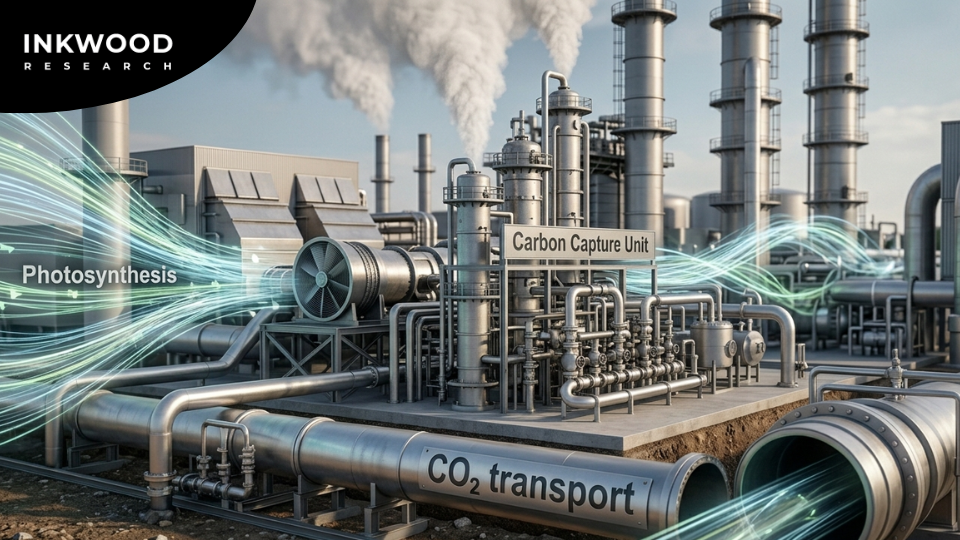
Bioenergy with Carbon Capture and Storage (BECCS)
Beyond the four primary approaches above, BECCS, bioenergy with carbon capture and storage, is rapidly becoming the most commercially significant durable engineered CDR technology at scale. BECCS withdraws CO₂ from the atmosphere through plant photosynthesis, then captures it in concentrated form during biomass combustion for industrial use, before storing it permanently underground.
According to the IEA, utilities and oil and gas majors are advancing large-scale BECCS projects targeting 200–800 kilotonnes of annual removals. Furthermore, four of the five largest CDR deals of 2025 featured BECCS as the underlying abatement technology.
Notable 2025 BECCS milestones include:
- AtmosClear/Fidelis secured a deal for 6.75 million tCO₂ via BECCS.
- Stockholm Exergi locked in 5.08 million tCO₂ via BECCS.
- Svante Technologies advanced a new BECCS project at a U.S. paper mill in March 2026, reinforcing pulp and paper as a key BECCS adoption sector.
BECCS costs currently range from approximately US$100 to US$300 per tonne, but scale-up and technology learning are expected to progressively reduce this over the forecast period.
Carbon Dioxide Removal Market: Regional Outlook
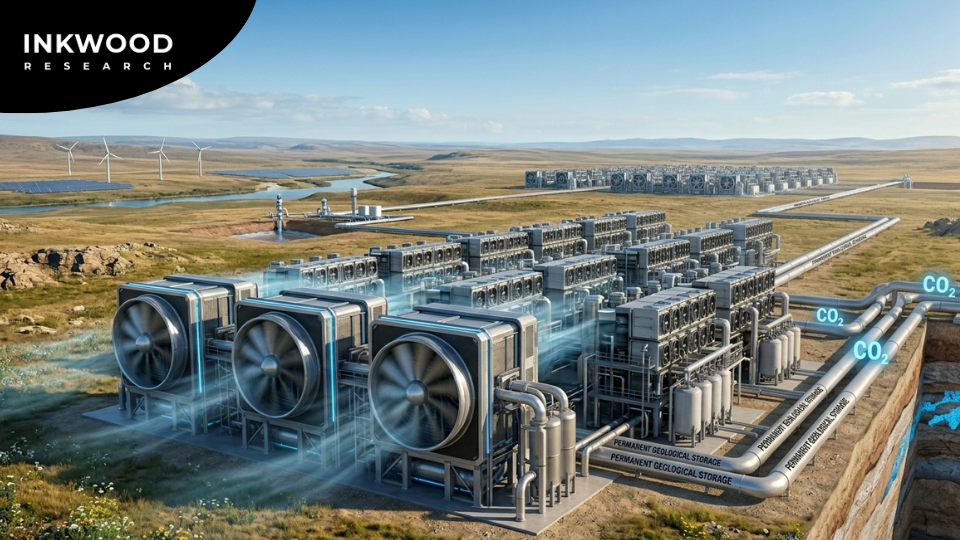
North America, Market Leader
North America leads the global carbon dioxide removal market, valued at US$5,506.32 million in 2030 and projected to reach US$23,351.18 million by 2045 at a 10.11% CAGR. The United States anchors regional leadership through federal incentives, including the 45Q tax credit for carbon capture, large-scale DAC facility investments, and strong corporate CDR demand from the technology and energy sectors. Canada demonstrates the strongest country-level growth within the region, rising from US$544.02 million (2030) to US$3,319.37 million (2045) at a 12.81% CAGR.
Europe, Policy-Reinforced Growth
Europe demonstrates consistent CDR market growth, expanding from US$4,778.94 million (2030) to US$22,449.86 million (2045) at a 10.86% CAGR. The European Commission’s Clean Industrial Deal (2025) and the EU’s net-zero policy framework provide a stable regulatory foundation for CDR market growth. The Netherlands records notable expansion within the region, growing from US$722.10 million (2030) to US$3,212.58 million (2045) at a 10.46% CAGR, supported by its advanced port infrastructure and industrial decarbonization priorities.
Asia Pacific, Fastest-Growing Region
Asia Pacific delivers the strongest CAGR within the carbon removal market, rising from US$4,057.57 million (2030) to US$22,261.23 million (2045) at a 12.02% CAGR. Japan leads regional CDR sophistication, expanding from US$577.80 million (2030) to US$2,905.09 million (2045) at an 11.37% CAGR, driven by its advanced climate technology commitments and government-backed carbon removal investment programs. China, India, South Korea, and Southeast Asian markets further amplify regional demand through growing corporate net-zero commitments and expanding voluntary carbon market participation.
Key Market Trends Shaping the Carbon Dioxide Removal Industry Outlook
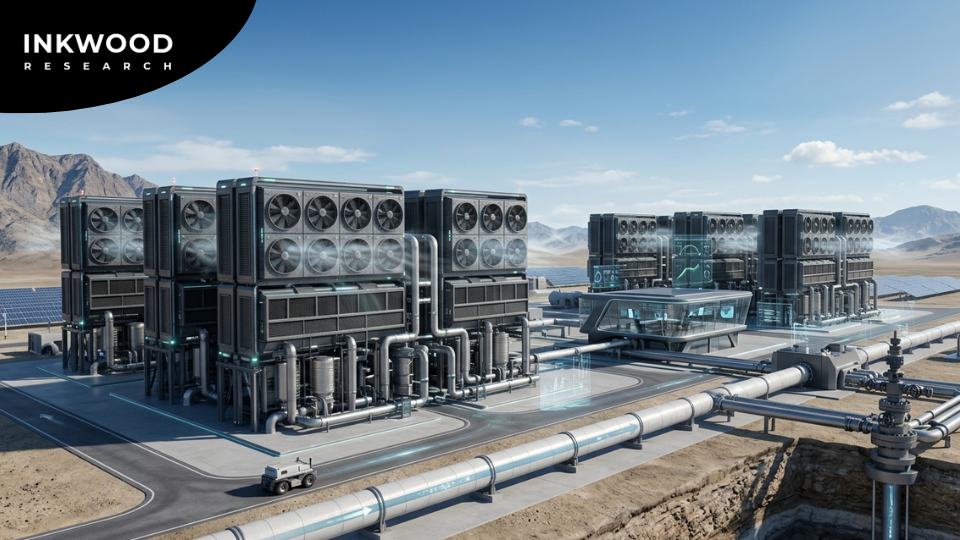
Corporate Net-Zero Targets Driving Demand
Corporate demand for high-integrity CDR credits continues to outpace supply across voluntary carbon markets. According to CDR.fyi, the durable CDR market officially crossed 1 million tonnes in deliveries in 2025, a structural milestone confirming market maturation. Furthermore, the Science Based Targets initiative (SBTi) opened consultation on its Corporate Net-Zero Standard V2 in March 2025, which defines and standardizes novel CDR usage, providing clearer pathways for corporate carbon removal commitments.
AI Integration Accelerating CDR Efficiency
Artificial intelligence is emerging as a powerful enabler across the carbon dioxide removal technologies market. AI optimizes CO₂ capture parameters to maximize efficiency, identifies optimal geological storage sites through environmental data analysis, enables real-time monitoring of CDR systems, and reduces operational costs, making atmospheric carbon removal solutions more scalable and commercially viable over time.
Policy Frameworks Reinforcing Market Confidence
Regulatory frameworks are progressively aligning with CDR market investment opportunities. The U.S. 45Q tax credit, the EU’s Clean Industrial Deal, and Article 6.4 of the Paris Agreement, which enables international CDR credit trading, collectively create durable policy support for the carbon capture removal market. Additionally, prepayment agreements between buyers and CDR developers are emerging as a critical financing mechanism to bridge the capital gap for early-stage projects.
Concluding Reflections
Choosing the right durable CDR solution requires strategic alignment with industry needs, budget, and environmental impact goals. For large-scale industrial emitters, DAC and BECCS provide long-term durability and credible carbon accounting, albeit at higher costs. Biochar offers a compelling cost-efficiency advantage for agricultural and land-use sectors, while afforestation remains the most accessible entry point for companies prioritizing community impact and biodiversity.
Based on our analysis, the strongest emerging signal is that businesses are moving toward blended CDR portfolios, combining nature-based and engineered carbon removal solutions, to meet both near-term affordability targets and long-term high-durability requirements. As the carbon dioxide removal market matures through 2045, companies that establish CDR procurement strategies today will be best positioned to navigate both regulatory requirements and voluntary market dynamics.
Explore the market insights in this YouTube video by clicking here
By Shruti