Table of Contents
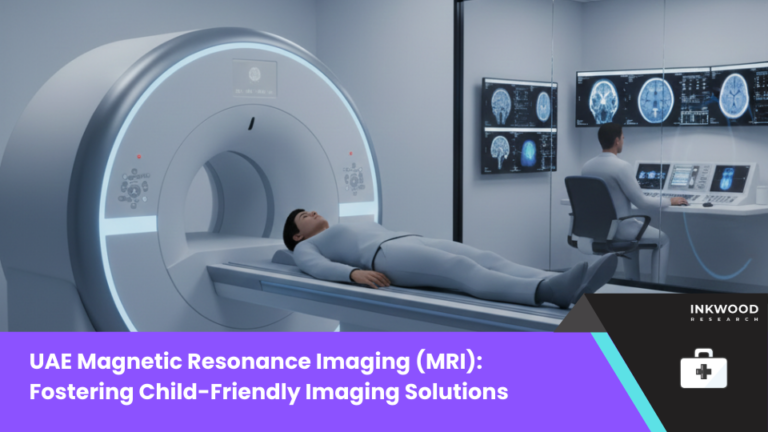
This analysis is brought to you by Inkwood Research, a leading market intelligence firm specializing in Middle East healthcare innovation, pediatric medical technology, and magnetic resonance imaging (MRI) systems advancement. Our research team combines extensive experience analyzing UAE healthcare infrastructure development, pediatric care excellence programs, and diagnostic imaging adoption patterns across Dubai, Abu Dhabi, Sharjah, and emerging emirates. Based on our proprietary research methodologies and strategic partnerships with UAE medical facilities, international pediatric specialists, medical device manufacturers, and healthcare regulatory authorities, we deliver actionable insights that empower strategic decision-making for stakeholders navigating the UAE’s pediatric healthcare revolution and magnetic resonance imaging (MRI) systems market transformation.
TLDR
UAE magnetic resonance imaging (MRI) systems market is experiencing remarkable pediatric-focused growth, projected at US$55.65 million in 2026, expanding to US$116.63 million by 2034 at a CAGR of 9.69%. Moreover, advanced child-friendly MRI technologies are transforming how young patients experience diagnostic imaging across the Emirates. Furthermore, specialized pediatric radiology centers combine cutting-edge equipment with compassionate care protocols. Consequently, the UAE establishes itself as a pediatric medical imaging excellence hub regionally.
Pediatric hospital administrators, children’s healthcare facility directors, and radiology department managers across the UAE will discover valuable insights here. Additionally, international medical tourism operators, pediatric specialists, and healthcare investors who evaluate the UAE pediatric market opportunities benefit significantly. Parents seeking child-friendly diagnostic services, medical equipment suppliers, and healthcare architects designing pediatric facilities also gain strategic intelligence from this comprehensive analysis.
Magnetic Resonance Imaging Market: Reimagining Pediatric Imaging in the UAE

Pediatric magnetic resonance imaging (MRI) systems present unique challenges worldwide. However, the UAE approaches these challenges with characteristic ambition. Although children fear the enclosed spaces and loud noises of traditional MRI machines, innovative solutions are transforming pediatric experiences across Emirates hospitals.
Dubai and Abu Dhabi lead this pediatric imaging revolution with advanced facilities combining state-of-the-art technology with child-centered design. Moreover, specialized training ensures staff understand children’s developmental needs, due to which successful scan completion rates increase dramatically.
The UAE magnetic resonance imaging (MRI) systems market demonstrates an impressive 9.69% CAGR growth through 2034. This expansion reflects strategic healthcare investments. Additionally, medical tourism contributes significantly to market dynamics. Furthermore, international accreditation elevates quality standards continuously.
Pediatric MRI technology has evolved remarkably. While open system designs reduce claustrophobia substantially, faster scanning protocols minimize sedation requirements. Therefore, both safety and patient experience improve simultaneously.
UAE’s Pediatric Healthcare Vision: Global Excellence Standards
Strategic Healthcare Investments
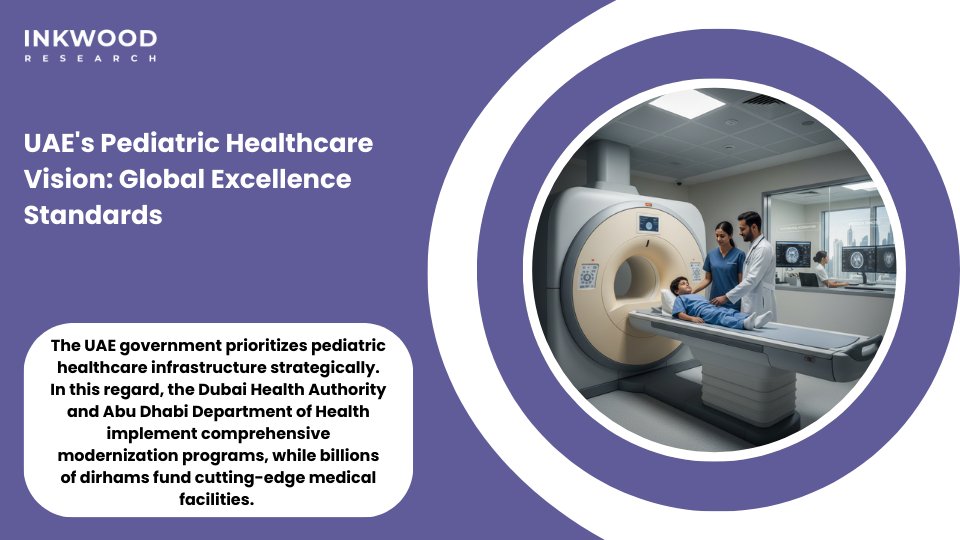
The UAE government prioritizes pediatric healthcare infrastructure strategically. In this regard, the Dubai Health Authority and Abu Dhabi Department of Health implement comprehensive modernization programs, while billions of dirhams fund cutting-edge medical facilities. Subsequently, healthcare quality rivals the global leading centers.
The UAE magnetic resonance imaging (MRI) systems market reflects this commitment. Reaching US$55.65 million in 2026, projections indicate US$116.63 million by 2034; this 9.69% CAGR demonstrates robust confidence. Additionally, pediatric imaging represents a priority growth segment.
International Accreditation Focus
Emirates hospitals actively pursue prestigious international accreditations to demonstrate their commitment to excellence. Joint Commission International certification, for example, provides a globally recognized validation of its quality standards. Moreover, specialized pediatric programs receive particularly close attention during these evaluations, ensuring every aspect meets the highest benchmarks. This dedication to continuous improvement naturally leads to greater operational excellence throughout their facilities.
Healthcare providers complement these efforts by investing heavily in staff training. Pediatric radiology, in this regard, requires specialized skills that extend far beyond adult imaging practices. Child psychology principles also deeply influence the development of care protocols. Also, through comprehensive education programs, the workforce gains the capabilities needed to deliver exceptional patient outcomes.
Medical Tourism Positioning
The UAE has successfully positioned itself as a premier regional destination for pediatric healthcare. Patients from neighboring countries increasingly seek treatment in Emirates facilities, drawn by advanced care options. Moreover, specialized services extend this appeal to families across Asia and Africa. As a result, these patient flows generate substantial revenue, which in turn supports ongoing investments in state-of-the-art infrastructure.
Government initiatives play a key role in accelerating medical tourism growth, as streamlined visa processes simplify travel for healthcare visitors, removing common barriers. Multilingual support teams effectively serve patients from diverse backgrounds. Additionally, cultural sensitivity training further ensures that every family experiences a welcoming and comfortable environment during their stay.
Understanding Pediatric MRI: Why Children Need Special Approaches

Developmental Considerations
Children present unique challenges in medical imaging because they differ fundamentally from adults. Cognitive development, for instance, directly influences their ability to cooperate during procedures. Fear responses often intensify in unfamiliar environments, heightening distress. Body size variations also demand specialized positioning techniques. As a result, pediatric protocols evolve to address these distinct factors thoughtfully.
Younger children, in particular, struggle to stay motionless during scans. Even slight movements can significantly degrade image quality. Clear, age-appropriate communication becomes essential for giving instructions. With careful preparation, however, success rates improve markedly.
Common Pediatric Indications
MRI scans play a vital role in diagnosing a range of conditions in children. Neurological issues top the list of applications. Detailed imaging helps identify brain abnormalities, developmental delays, and hydrocephalus effectively. High-quality sequences prove indispensable for evaluating epilepsy. Specialized protocols also support accurate stroke assessment in younger patients.
Musculoskeletal imaging addresses growing orthopedic demands. Active children increasingly suffer sports injuries that require precise diagnosis. Early detection of congenital hip dysplasia remains critical for successful treatment. Regular MRI monitoring supports tumor surveillance across specialties. Overall, these indications highlight MRI’s versatility in pediatric care.
Safety Considerations
Concerns over radiation exposure make MRI especially appealing for children. Unlike CT scans, MRI systems avoid ionizing radiation entirely. This key advantage proves essential when imaging growing bodies. Repeated scans, consequently, carry no cumulative radiation risk. Discussions comparing MRI and CT often favor MRI in pediatric settings for these reasons.
The ALARA principle, “As Low As Reasonably Achievable”, guides every decision in pediatric imaging. Protocols balance diagnostic quality with minimal procedure time. Contrast agents are used with careful, judicious use. Safety, above all, stays at the forefront of every step.
Psychological Impact
Early medical experiences profoundly shape children’s attitudes toward healthcare. Traumatic imaging sessions can foster lasting anxiety about future visits. Positive encounters, by contrast, build trust and encourage cooperation over time. Child-friendly approaches, therefore, deliver benefits that extend far beyond the immediate procedure.
Family-centered care recognizes the invaluable role parents play. Their presence offers comfort and familiarity during stressful moments. Studies show that this support measurably reduces children’s anxiety levels. Educating families about the examination’s purpose further enhances understanding. In turn, cooperation strengthens significantly for everyone involved.
Child-Friendly Technology: From Fear to Fascination
Open MRI Systems: Reducing Claustrophobia
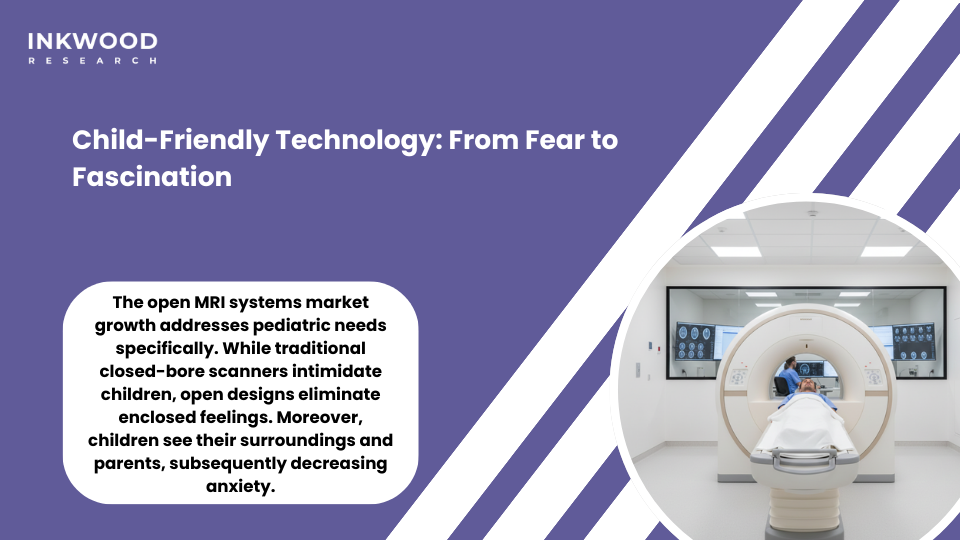
The open MRI systems market growth addresses pediatric needs specifically. While traditional closed-bore scanners intimidate children, open designs eliminate enclosed feelings. Moreover, children see their surroundings and parents, subsequently decreasing anxiety.
Further, UAE facilities increasingly adopt open MRI technology. These systems feature C-shape magnet designs. Additionally, maximum openness provides patient comfort, and obese patients also benefit from spacious configurations. Therefore, versatility serves multiple populations.
Advanced 3T MRI Technology
Three-tesla magnetic resonance imaging (MRI) systems deliver superior pediatric imaging. Faster scan times prove especially valuable since children remain still for shorter periods. Moreover, image quality exceeds lower-field systems. Additionally, smaller anatomical structures are visualized clearly.
Partner facilities across the UAE utilize 3T scanners for pediatric cases. The technology images the inner ear and blood vessel details precisely. Furthermore, neurological conditions require this resolution as diagnostic accuracy improves measurably.
Noise Reduction Technologies
MRI scanners generate intense noise that often frightens children. Traditional systems easily exceed 100 decibels during operation. Canon Medical addresses this challenge through its Pianissimo technology, which substantially lowers acoustic levels. Philips also delivers comparable quiet scanning features in its systems, with various facilities equipping children with noise-canceling headphones for added protection.
Many centers now incorporate entertainment options to ease anxiety. Children can watch their favorite movies while inside the scanner. Also, interactive lighting helps create a soothing atmosphere around them while personalized music selections further distract from the procedure’s sounds. Together, these layered approaches calm young patients effectively.
Ambient Experience Design
Philips leads in terms of ambient experience design for imaging environments. Their scanners integrate customizable lighting and advanced projection systems. Children can choose engaging themes, such as underwater adventures or space journeys. The entire room then transforms into a fully immersive setting. Fear gradually gives way to curiosity and genuine excitement.
This innovative approach markedly boosts cooperation during scans. Plus, sedation needs drop considerably as a result, with repeat visits growing far less stressful for families. Positive encounters also foster lasting confidence in healthcare settings. Overall, investments in ambient systems deliver wide-ranging benefits for pediatric care.
Leading Pediatric Imaging Centers: Where Innovation Meets Compassion
Dubai Healthcare Excellence
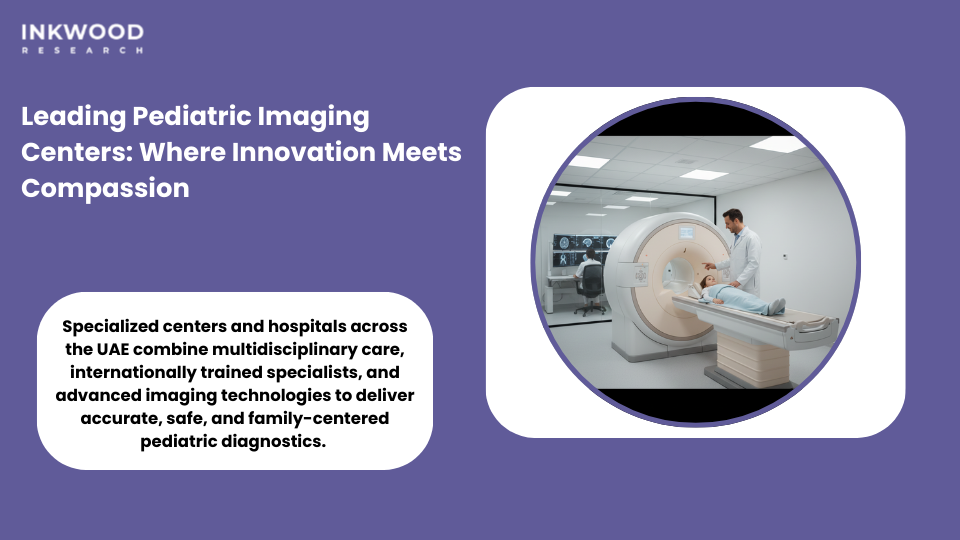
DRHC Dubai specializes in pediatric imaging comprehensively, while its team continues to focus on children’s unique requirements. Moreover, staff training emphasizes developmental psychology. Additionally, facilities design considers pediatric comfort specifically.
The center implements strict ALARA principles. Radiation safety remains paramount for all procedures. Furthermore, MRI and ultrasound avoid ionizing radiation entirely. Subsequently, parents appreciate this safety-conscious approach.
Abu Dhabi Pediatric Facilities
Reem Hospital leads pediatric care in Abu Dhabi. Their multidisciplinary team delivers exceptional services, with family-centered care models guiding all interactions. Additionally, advanced imaging supports comprehensive diagnostics.
Seha Emirates Hospital operates both open and closed MRI systems. The 0.5 Tesla open MRI serves claustrophobic children effectively. Meanwhile, 1.5 Tesla closed systems deliver high-field imaging quality. Furthermore, Toshiba Vantage Elan technology ensures excellent results.
Specialized Pediatric Centers
KidsHeart operates across Dubai, Abu Dhabi, and Al Ain. American and UK board-certified doctors staff these facilities. Moreover, multispecialty services address diverse pediatric needs. Additionally, state-of-the-art equipment supports advanced diagnostics.
Zulekha Hospitals provide comprehensive radiology services. Their neuroradiology division serves pediatric brain and spine imaging. While 1.5T Siemens systems perform advanced techniques, MR spectroscopy and diffusion studies evaluate complex conditions.
Cost Considerations
MRI scan cost in the UAE varies by facility and complexity. Pediatric MRI services start around AED 8,000 at specialized centers. However, prices depend on body region and sedation requirements. Additionally, contrast studies incur additional charges.
Insurance coverage affects out-of-pocket expenses significantly. Some policies reimburse pediatric diagnostic imaging. Since coverage details vary between insurers, families are advised to verify benefits beforehand.
Sedation Strategies: Balancing Safety and Success
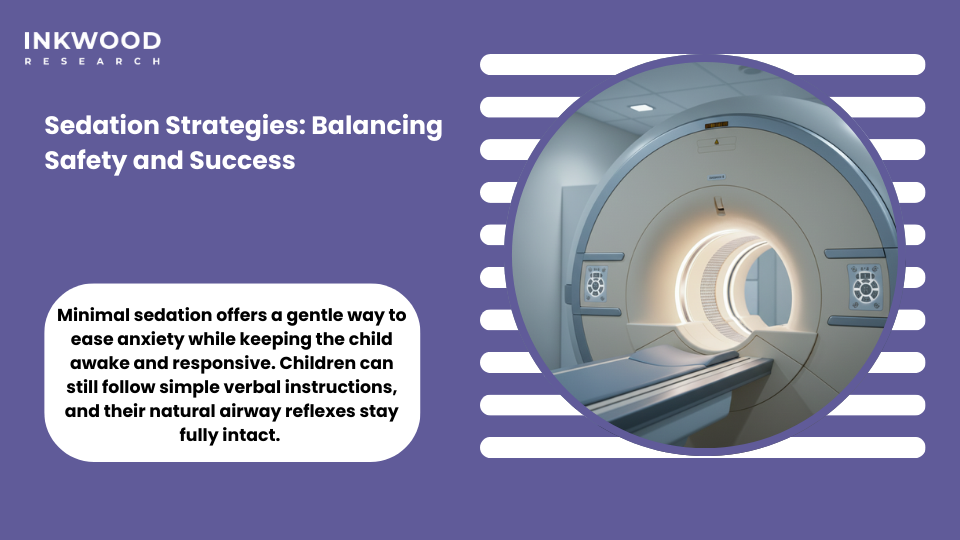
When Sedation Becomes Necessary
Young children frequently need sedation to complete an MRI scan successfully. Children under six, in particular, find it hard to stay perfectly still for the required time. Developmental delays can make sedation essential even in older kids. High anxiety levels also play a role, with decisions tailored to each child’s unique situation.
While sedation helps achieve clear images, it involves risks that demand careful oversight. Pediatric anesthesiologists assess every case in detail before proceeding. A thorough review of medical history uncovers potential issues. Plus, strict fasting guidelines further protect the child during the process. Together, these protocols work to keep complications at a minimum.
Sedation Levels and Protocols
Minimal sedation offers a gentle way to ease anxiety while keeping the child awake and responsive. Children can still follow simple verbal instructions, and their natural airway reflexes stay fully intact. Moreover, this level often works well for older, more cooperative patients.
Moderate sedation takes relaxation a step further. Responses to voice may become sluggish, though the child still reacts to gentle touch. Although breathing continues independently in most cases, close monitoring naturally becomes more intensive at this stage.
General anesthesia provides complete stillness by inducing full unconsciousness. Airway support turns essential here, with a dedicated anesthesia team present throughout. The result? Scan completion rates approach nearly 100%, giving clinicians the diagnostic quality they need.
Safety Monitoring Standards
Patient safety relies on vigilant monitoring from start to finish. While pulse oximetry keeps a constant watch over oxygen saturation levels, capnography tracks exhaled carbon dioxide for early signs of breathing changes. Electrocardiography alerts staff to any heart rhythm concerns. Regular blood pressure checks round out the comprehensive oversight.
After the scan, dedicated recovery spaces allow children to wake up slowly under close supervision. Staff follow clear discharge guidelines to confirm the child is ready to go home. Additionally, parents receive thorough instructions on what to expect and watch for, and this attentive care ensures the entire experience remains as safe as possible.
Alternatives to Sedation
Many facilities now emphasize ways to avoid sedation altogether. Behavioral preparation programs, for example, make a real difference by building familiarity and confidence. Mock scanners let children practice the experience in a non-threatening way. Child life specialists guide them through coping techniques step by step, and as a result, gradual exposure often turns worry into manageable calm, enabling awake scans for more patients.
Allowing a parent to stay nearby during the procedure also helps tremendously. A familiar voice offering reassurance can soothe even the most nervous child. Simple gestures like hand-holding maintain that vital emotional connection. Further, these straightforward strategies frequently prove surprisingly effective, sparing children the risks of sedation while still delivering excellent imaging results.
Technology Manufacturers: Pioneering Pediatric Solutions
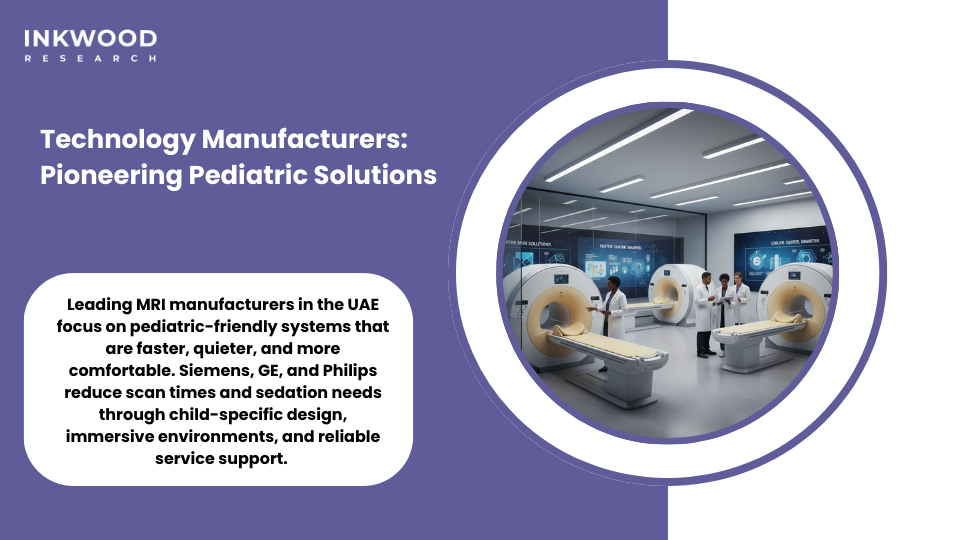
Siemens Healthineers: Pediatric Innovation Leader
Siemens Healthineers develops pediatric-specific MRI capabilities. Their MAGNETOM family includes systems optimized for children. Moreover, smaller coils accommodate pediatric anatomy. Additionally, rapid scanning protocols reduce examination duration while quiet sequences minimize acoustic stress.
The company invests heavily in pediatric research while collaborations with children’s hospitals drive innovation. Moreover, clinical feedback shapes product development. Subsequently, systems meet real-world pediatric needs effectively.
GE Healthcare: Child-Friendly Focus
GE Healthcare emphasizes pediatric imaging across product lines. Their SIGNA systems incorporate child-friendly features. Moreover, fast imaging techniques reduce motion artifacts. Additionally, silent scanning technology protects hearing, while ambient experience options create welcoming environments.
Service networks across the UAE ensure reliable support, and equipment downtime affects vulnerable pediatric patients particularly. Therefore, rapid maintenance response proves critical, and parts availability prevents extended outages.
Philips: Ambient Experience Pioneer
Philips revolutionized pediatric imaging through ambient experience design. Projection systems transform boring rooms into engaging spaces, and children can choose themes matching their interests. Moreover, synchronized lighting creates immersive atmospheres as audio systems provide entertainment throughout scans.
This innovation dramatically improves pediatric cooperation rates, with sedation needs decreasing by up to 30% in some facilities. Moreover, scan completion rates increase substantially, improving both safety and efficiency.
Emerging Technologies
Portable MRI systems open exciting possibilities for pediatric care, especially in sensitive environments. Hyperfine’s Swoop system, for instance, delivers bedside imaging directly in intensive care units. Neonatal units benefit immensely from this approach, where fragile infants need minimal disturbance. Avoiding risky patient transport enhances overall safety significantly. While image quality still trails traditional high-field scanners, ongoing refinements promise steady improvements.
Artificial intelligence transforms pediatric imaging workflows in meaningful ways. Automated positioning tools, for example, cut down setup time and reduce handling of young patients. AI-driven reconstruction algorithms speed up scan processing without sacrificing essential details. Intelligent protocols adapt seamlessly to smaller anatomies and unique pediatric needs. As these technologies evolve, they consistently expand diagnostic capabilities and improve the experience for children and clinical teams alike.
Medical Tourism Impact: Regional Hub Aspirations
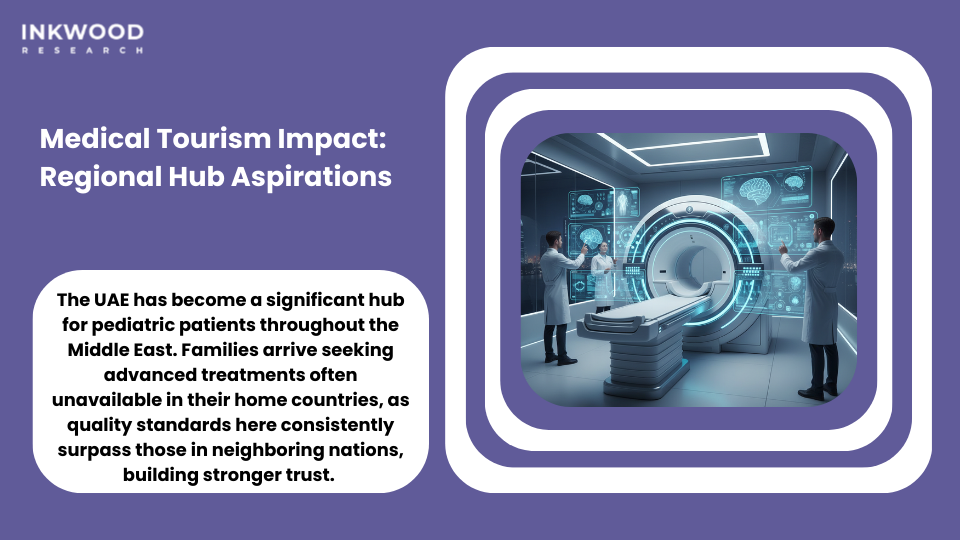
Regional Patient Attraction
The UAE has become a significant hub for pediatric patients throughout the Middle East. Families arrive seeking advanced treatments often unavailable in their home countries, as quality standards here consistently surpass those in neighboring nations, building stronger trust. Positive success stories spread naturally through word-of-mouth, encouraging more families to make the journey. As a result, medical tourism volumes continue to rise steadily year after year.
Patients come from diverse regions, with GCC neighbors playing a major role. Saudi Arabian, Kuwaiti, and Omani families frequently turn to UAE specialists for complex care. African patients also travel considerable distances for cutting-edge interventions. Also, South Asian communities benefit from accessible, high-level diagnostics close to home. This broad geographic appeal gives the UAE a clear strategic edge in regional healthcare.
Infrastructure and Accessibility
Major hubs like Dubai and Abu Dhabi International Airports make arrival straightforward for medical travelers. Direct flights link to dozens of countries worldwide, simplifying logistics for families. Moreover, medical visa processes run smoothly and efficiently. A wide range of accommodation options caters to every budget, from luxury hotels to comfortable apartments. Plus, family-friendly settings further support longer stays when needed.
Strategic hospital locations near airports minimize stress for arriving patients. Sick children experience shorter transit times, which proves especially valuable. Additionally, scheduling allows flexibility for follow-up appointments around international travel plans. Telemedicine options extend care remotely, ensuring seamless continuity long after the visit ends.
Quality and Accreditation Appeal
International accreditations provide powerful reassurance for families considering treatment abroad. Joint Commission International certification, for instance, signals world-class standards that patients recognize immediately. Further, specialized pediatric credentials highlight deep expertise in child-focused care. Multilingual staff bridge language gaps effortlessly, making communication feel natural and reassuring. Together, these elements foster exceptional confidence in the quality of care delivered.
Transparent outcome data backs up these quality assurances effectively. Complication rates align with, or often surpass, global benchmarks. Additionally, patient satisfaction scores reflect consistent excellence across facilities. Compelling case studies of successful treatments draw new families seeking similar results. Over time, this cycle strengthens the UAE’s reputation as a trusted pediatric destination.
Economic Impact
Medical tourism contributes substantially to the UAE economy. Healthcare expenditures extend beyond direct medical costs. Moreover, accommodation, food, and tourism activities generate revenue. Additionally, family members often extend stays, and therefore, economic multiplier effects prove significant.
The UAE magnetic resonance imaging (MRI) systems market benefits from tourism demand. Private facilities invest in the latest technology to attract patients, while competitive pressures drive continuous improvement. Subsequently, both local and international patients benefit.
Future Growth Potential
Medical tourism growth projections remain optimistic. The UAE magnetic resonance imaging (MRI) systems market expansion to US$116.63 million by 2034 reflects this. Moreover, government initiatives support healthcare tourism actively, with new specialty centers targeting specific conditions. Therefore, market development continues to accelerate.
Pediatric services represent particular growth opportunities. Families prioritize children’s health above cost considerations. Moreover, advanced pediatric capabilities remain rare regionally, and as a result, differentiation potential remains substantial.
Key Takeaways
- The UAE magnetic resonance imaging (MRI) systems market demonstrates an impressive 9.69% CAGR growth, reaching US$116.63 million by 2034.
- Moreover, child-friendly MRI technologies transform pediatric imaging experiences across Dubai and Abu Dhabi facilities. Open MRI systems and ambient experience designs reduce sedation requirements substantially.
- Additionally, major manufacturers like Siemens, GE Healthcare, and Philips pioneer pediatric-specific innovations. Specialized centers combine advanced 3T imaging technology with compassionate, child-centered care protocols.
- Furthermore, international accreditation and medical tourism position the UAE as a regional pediatric healthcare excellence hub. Subsequently, both local and international families have access to world-class pediatric diagnostic services.
Conclusion:
The UAE has reimagined pediatric magnetic resonance imaging (MRI) systems comprehensively. Traditional frightening experiences transform into engaging adventures. Moreover, technology and compassion combine to create exceptional outcomes. Subsequently, children receive necessary diagnostics without psychological trauma.
Investment in child-friendly infrastructure continues to accelerate, while government vision drives healthcare excellence systematically. Additionally, international collaborations bring global expertise locally. Furthermore, research initiatives advance pediatric imaging science.
Families benefit from multiple pediatric imaging options. Dubai and Abu Dhabi facilities offer world-class capabilities. Moreover, competitive pricing ensures accessibility. Additionally, insurance coverage expands continuously. Therefore, financial barriers decrease steadily.
The future of pediatric imaging in the UAE appears remarkably promising. Continued market growth reflects strong fundamentals. Moreover, innovation pipelines promise further improvements. Subsequently, the Emirates continues to solidify its position as a regional pediatric healthcare leader.
Planning to enhance your facility’s pediatric imaging capabilities?
Contact Inkwood Research today for comprehensive UAE market analysis and strategic guidance. Our team delivers actionable insights that help healthcare leaders develop successful pediatric diagnostic imaging programs tailored to Middle East market dynamics.
Frequently Asked Questions
At what age can children undergo an MRI without sedation?
Most children over six years old can complete MRI scans without sedation, due to increased cognitive ability to follow instructions, if properly prepared. However, individual maturity levels vary significantly. Behavioral preparation programs improve success rates substantially. Additionally, open MRI systems and ambient experience technology help younger children cooperate.
How much does a pediatric MRI cost in the UAE?
Pediatric MRI services in the UAE typically start around AED 8,000 at specialized centers. However, costs vary based on body region examined, scan complexity, and sedation requirements. Additionally, contrast-enhanced studies incur extra charges. Insurance coverage significantly affects out-of-pocket expenses. Therefore, families should verify pricing and insurance benefits beforehand.
Are UAE pediatric MRI facilities safe for international patients?
Yes, UAE pediatric imaging centers maintain international safety and quality standards. Moreover, Joint Commission International accreditation validates protocols. Additionally, many facilities employ internationally trained pediatric radiologists and anesthesiologists. Stringent government regulations ensure consistent quality. Subsequently, international patients receive care equivalent to leading global children’s hospitals.